
Sushi vs. Sashimi: A Beginner’s Guide to Ordering Like a Pro
Menus packed with unfamiliar words can make ordering sushi feel like decoding a secret message. You might wonder about the difference between sushi and sashimi or what is nigiri vs maki. Knowing these basics will help you order fresh sashimi Westfield locals rave about and find the best tuna sashimi near me without hesitation. Let’s clear up the confusion so your next visit feels effortless and confident.
Understanding Sushi and Sashimi

Let’s start with the basics! Many people use “sushi” as a catch-all term, but there are key differences that will make you sound like a regular when ordering at your favorite Japanese restaurant.
Difference Between Sushi and Sashimi
The main difference between sushi and sashimi comes down to one key ingredient: rice. Sushi always contains vinegared rice, while sashimi is simply thinly-sliced raw fish or meat served without rice.
Sashimi is all about showcasing the pure flavor of fresh fish. When you order sashimi, you’ll receive beautifully arranged slices of raw fish – nothing more, nothing less. The quality of the fish takes center stage, which is why many sushi chefs consider it the ultimate test of their skill and sourcing.
Sushi, on the other hand, combines that vinegared rice with various ingredients. The rice itself has a subtle tangy flavor that complements the fish or other fillings. This is why true sushi lovers pay attention to the rice quality just as much as the fish!
Most restaurants serve sashimi with simple garnishes like shredded daikon radish, shiso leaves, or a touch of wasabi. These minimal additions highlight rather than mask the natural flavors of the fish.
What is Nigiri vs Maki?
Nigiri and maki are two popular types of sushi that look completely different on your plate. Knowing the distinction will help you order exactly what you want.
Nigiri is a hand-pressed mound of sushi rice topped with a slice of fish or seafood. The chef forms the rice into an oblong shape, adds a dab of wasabi, and places the fish on top. Sometimes a thin strip of nori (seaweed) secures everything together. Nigiri showcases the fish’s flavor and texture in a simple, elegant way.
Maki, by contrast, is what most Americans picture when thinking of sushi. These are rolls where the rice and fillings are wrapped in seaweed. The chef places ingredients on a sheet of nori, adds rice, and rolls everything together using a bamboo mat. The roll is then sliced into bite-sized pieces.
Several maki varieties exist: hosomaki (thin rolls with one filling), futomaki (thick rolls with multiple ingredients), uramaki (inside-out rolls with rice on the outside), and temaki (hand-rolled cones). Each offers a different eating experience and flavor balance.
For beginners, maki rolls often feel less intimidating than nigiri because the raw fish is combined with other ingredients and textures.
Making the Perfect Order
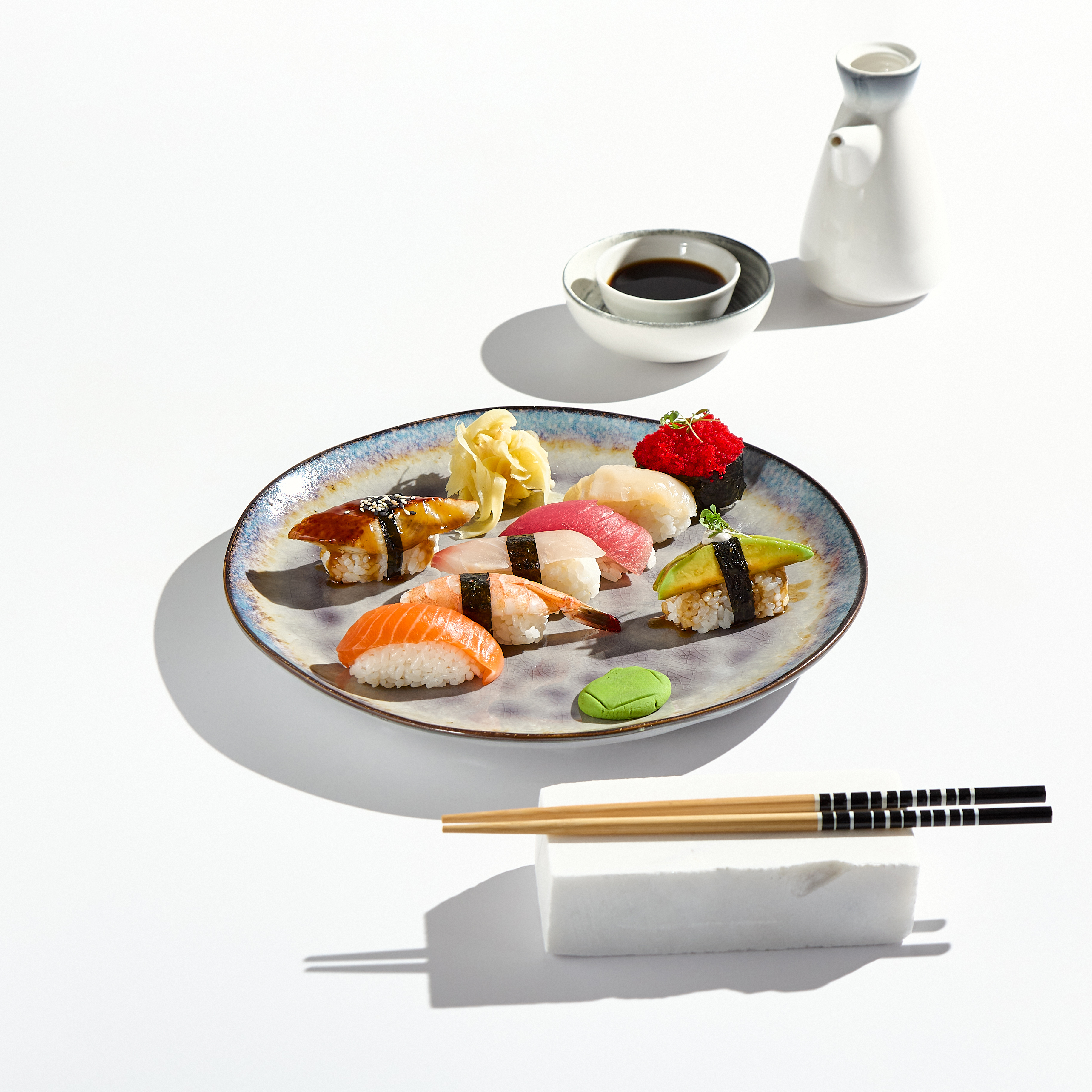
Now that you understand the basics, let’s talk about how to build the perfect meal when you visit a sushi restaurant. A good order balances flavors and textures while respecting your comfort level.
Tips for Sushi Novices
Start with what feels comfortable. If raw fish makes you nervous, begin with cooked options like a California roll (crab, avocado, cucumber) or a shrimp tempura roll. These familiar flavors create a bridge to more traditional offerings.
Tell your server you’re new to sushi. Most staff are happy to guide beginners and might suggest popular items that appeal to newcomers. This simple step can transform your dining experience from confusing to enjoyable.
Try the set menus or lunch specials. Many restaurants offer sampler plates with a variety of options, letting you taste different items without committing to full orders of unfamiliar foods.
Watch your wasabi use! That green paste packs serious heat. Instead of mixing a big glob into your soy sauce (which sushi chefs consider improper anyway), try a tiny amount directly on your sushi to experience how it complements the flavors.
When you’re ready to explore, order one new item per visit. This gradual approach builds your palate without overwhelming it. You might discover you love eel (unagi) or salmon roe (ikura) despite initial hesitation.
Fresh Sashimi in Westfield
Westfield has become a surprising hotspot for quality sashimi, with several restaurants taking pride in their fish sourcing and preparation. The local dining scene has evolved beyond basic California rolls to showcase truly fresh fish.
When looking for fresh sashimi in Westfield, ask about the “fish of the day” or “chef’s choice” (omakase). These options feature the freshest catches and allow the chef to showcase seasonal specialties. Many Westfield restaurants receive fish deliveries multiple times per week, ensuring peak freshness.
Look for visual cues that signal quality: the fish should have a clean, bright appearance with no strong fishy smell. Good sashimi has a firm texture that still melts in your mouth. The slices should be cut properly – not too thick or too thin – allowing you to appreciate the texture.
Local favorites include salmon sashimi for its buttery texture and mild flavor, yellowtail (hamachi) for its clean taste, and scallop (hotate) for its natural sweetness. These options provide excellent entry points for sashimi newcomers.
Many Westfield sushi spots now list their fish sources on menus or websites, highlighting sustainable practices and premium suppliers. This transparency reflects the growing food consciousness in the area and ensures you’re getting quality sashimi.
Exploring Flavor Profiles

The world of sushi and sashimi offers an incredible range of flavors – from mild and buttery to rich and complex. Understanding these profiles helps you discover your personal preferences.
Best Tuna Sashimi Near Me
Tuna sashimi stands as the crown jewel in many sushi restaurants, with distinct varieties offering different taste experiences. The search for the best tuna sashimi near me leads many to discover the nuances between tuna types.
Maguro (bluefin tuna) represents the standard tuna option at most restaurants. It has a deep red color and clean, meaty flavor that’s neither too mild nor too strong. This makes it perfect for sashimi beginners who want to experience traditional flavors.
Toro comes from the fatty belly section of the tuna and melts in your mouth like butter. It’s typically more expensive due to its rich flavor and limited availability. Chefs often separate toro into two categories: chu-toro (medium-fatty) and o-toro (very fatty).
Albacore tuna (sometimes called white tuna) offers a milder flavor profile with a pale pink color. Its delicate taste and softer texture make it approachable for newcomers to raw fish. Many chefs lightly sear the outside while keeping the center raw.
When searching for the best tuna sashimi, ask if the restaurant offers a tuna sampler. This allows you to compare different cuts side-by-side, noticing how the fat content changes the flavor and texture. The contrast between lean maguro and rich toro is truly eye-opening.
Fresh tuna sashimi should never smell fishy – instead, it should have almost no aroma at all. The color should be vibrant, and the slice should hold together without being mushy or tough.
Unique Sushi Combinations
Beyond traditional options, creative sushi combinations can introduce exciting new flavors to your palate. These fusion-inspired creations often blend Japanese techniques with local ingredients or international influences.
Fruit-infused rolls pair sweet elements like mango or strawberry with savory fish and creamy avocado. The contrast between sweet and savory creates a surprising but delicious flavor profile that even sushi skeptics often enjoy.
Tempura-based rolls add satisfying crunch to the soft texture of rice and fish. The contrast between warm, crispy tempura and cool, fresh ingredients makes these rolls particularly satisfying. Look for shrimp tempura rolls with avocado as an approachable starting point.
Spicy rolls incorporate chili sauce or spicy mayo to add heat to traditional ingredients. The spice level varies widely between restaurants, so ask your server about intensity before ordering if you’re sensitive to heat.
Vegetarian rolls have evolved far beyond simple cucumber maki. Creative chefs now craft complex plant-based options using ingredients like marinated shiitake mushrooms, pickled daikon, roasted sweet potato, and crispy tempura vegetables.
Don’t overlook signature house rolls, which showcase each restaurant’s unique style and creativity. These special rolls often combine multiple techniques and ingredients to create something you won’t find elsewhere.
Dining Like a Pro
Want to look like you know what you’re doing? A few simple practices can help you navigate the sushi experience with confidence and respect for the tradition.
Pairing Sushi with Drinks
The right drink can transform your sushi meal from good to amazing. While sake (Japanese rice wine) is traditional, several other options complement sushi beautifully.
Green tea serves as the classic non-alcoholic pairing with sushi. Its subtle bitterness cleanses the palate between different fish types and cuts through the richness of fatty fish like salmon or toro. Hot tea also aids digestion and completes the traditional experience.
For sake beginners, start with a junmai or ginjo variety served cold. These premium sakes offer fruity, floral notes that don’t overpower delicate fish flavors. Avoid hot sake with sushi, as the heat can dull your taste buds to the subtle flavors of raw fish.
Beer works surprisingly well with sushi, particularly light Japanese lagers like Sapporo, Kirin, or Asahi. The crisp, clean finish refreshes the palate between bites without competing with the fish flavors.
White wines with high acidity and minimal oak influence make excellent sushi companions. Look for Sauvignon Blanc, unoaked Chardonnay, or dry Riesling. The acidity in these wines acts like a squeeze of lemon, brightening the fish flavors.
Avoid strongly flavored drinks like red wine, cocktails, or anything with a powerful aroma. These can overwhelm the delicate flavors that make sushi special.
Sushi Etiquette and Traditions
Following basic sushi etiquette shows respect for the tradition and helps you enjoy the meal as intended. Don’t worry – no one expects perfection, but these simple guidelines will help you dine with confidence.
Soy sauce is meant for dipping, not drowning. Pour just a small amount into your dish, and dip fish-side down (not rice-side) to prevent your rice from soaking up too much sauce and falling apart. The goal is to complement, not mask, the fish’s flavor.
Chopsticks or fingers? Both are acceptable for eating sushi! Nigiri was traditionally eaten by hand, while maki rolls are typically handled with chopsticks. Choose whichever method feels most comfortable to you.
Eat sushi pieces in one bite when possible. This allows you to experience all the flavors together as the chef intended. If a piece is too large, two bites is perfectly acceptable.
The pickled ginger served alongside your sushi isn’t a topping – it’s a palate cleanser between different types of fish. Eating it between pieces helps you appreciate the distinct flavor of each selection.
When dining at the sushi bar, feel free to ask the chef for recommendations. This shows interest in their craft and often results in trying something special that might not even be on the menu.
Ordering Online

Can’t make it to the restaurant? Online ordering brings the sushi experience to your home without sacrificing quality or variety.
Benefits of Online Sushi Orders
Online sushi ordering has come a long way, with restaurants developing systems that maintain food quality during transit. The convenience factor alone makes it worth trying.
You can take your time browsing the menu without feeling rushed. This is particularly valuable for sushi newcomers who might feel pressured to order quickly in a restaurant setting. Online menus often include photos and detailed descriptions that help you make informed choices.
Many restaurants offer online-exclusive deals and combo packages that provide better value than dining in. Look for family packs or party platters that include a variety of options at a reduced per-piece price.
Online ordering lets you customize your meal more precisely. Want extra ginger? No problem. Need to substitute avocado for cucumber? Just add it to the special instructions. This level of personalization can be harder to communicate in person.
The comfort of enjoying restaurant-quality sushi in your own home can’t be overstated. You can wear what you want, play your own music, and eat at your own pace – perfect for sushi beginners who might feel self-conscious about their chopstick skills.
Most importantly, online ordering supports local sushi restaurants during times when in-person dining might be difficult. It’s a win-win that keeps these businesses thriving while satisfying your sushi cravings.
Navigating the Online Menu
Online sushi menus can be extensive, but a few strategies will help you build the perfect order for delivery or pickup.
Start by checking the restaurant’s specialties or “most popular” items. These dishes have earned their status for a reason and typically represent the kitchen’s strengths. They’re safe bets for first-time orders from a new restaurant.
Read the descriptions carefully. Quality restaurants provide detailed information about each roll’s ingredients. This helps you avoid ordering items with components you don’t enjoy or are allergic to.
Consider temperature and travel time when ordering. Some items hold up better during delivery than others. Tempura rolls might lose their crispness, while nigiri can become warm. Maki rolls generally travel well, making them good delivery options.
Build a balanced order with variety. Include some familiar items and one or two new things to try. A typical order might include a simple maki roll, a specialty roll, and a small sashimi selection.
Check if the restaurant includes proper garnishes with delivery orders. Wasabi, ginger, and soy sauce are essential components of the sushi experience. Most restaurants include these automatically, but it’s worth confirming.
Look for combo meals or bento boxes for the best value. These pre-selected assortments often include a variety of items at a lower price than ordering each piece separately, giving you a chance to sample different options.