
Sushi vs. Sashimi: A Beginner’s Guide to Navigating the Sushi Station
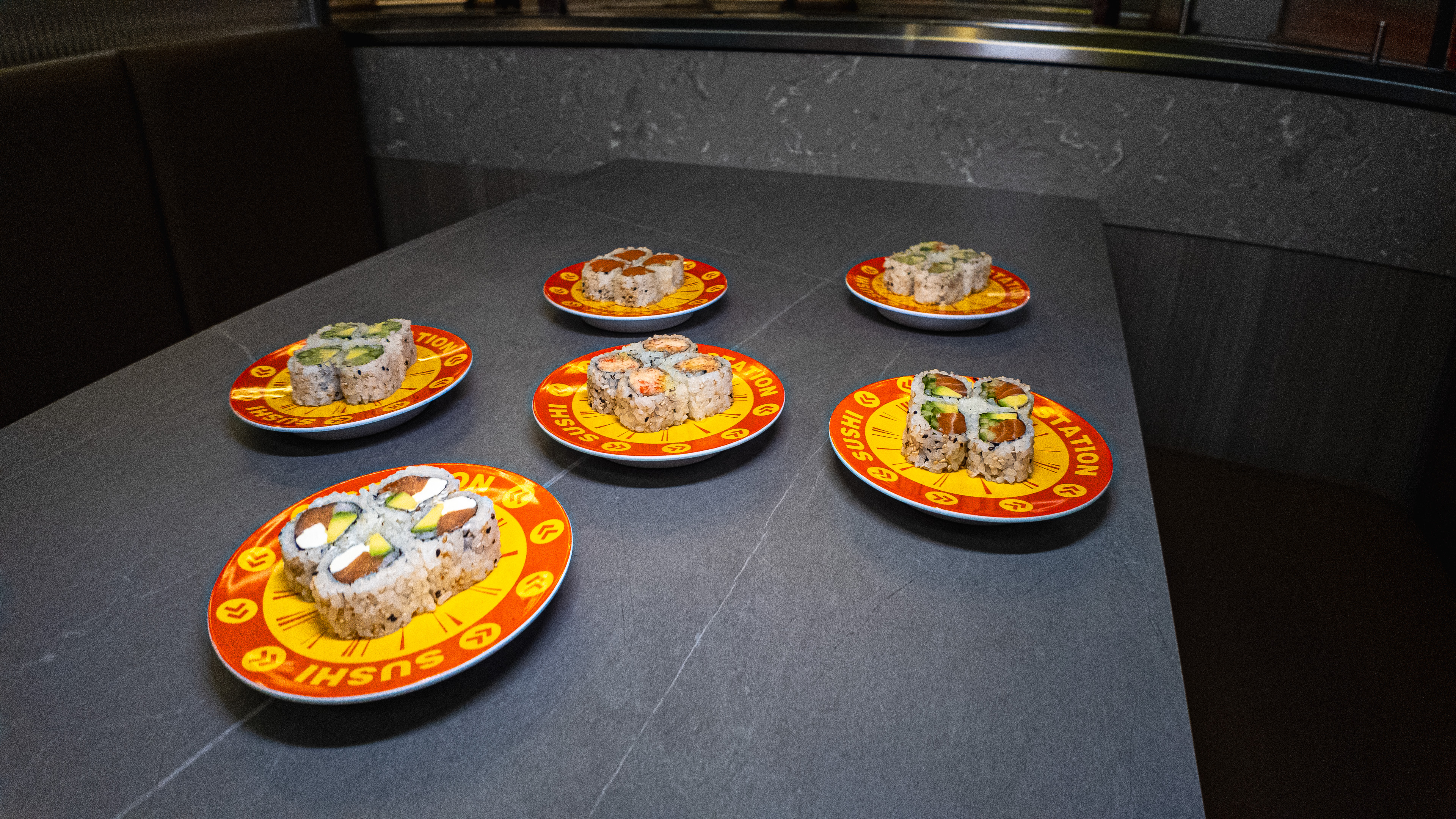
Most people stare blankly at the sushi station, unsure whether to pick sushi or sashimi. You’re not alone if you feel lost when ordering Japanese food. This Sushi ordering guide will clear up the confusion and help you understand Sushi vs. Sashimi Westfield style, so your next meal feels less like a gamble and more like a treat.
What’s the Real Difference Between Sushi and Sashimi?
Let’s Talk Sushi First
Okay, so here’s the thing that trips everyone up: sushi isn’t actually about the fish! I know, I know. Mind blown, right? Sushi is all about the rice. Yep, that seasoned, slightly sweet, vinegary rice is what makes sushi, well, sushi. The fish is just the superstar topping.
When you’re looking at sushi, you’re getting that specially prepared rice paired with different ingredients. It could be raw fish, cooked fish, veggies, or even egg. The rice is seasoned with a mix of rice vinegar, sugar, and salt, which gives it that unique flavor you can’t get anywhere else.
Think of sushi as a complete package deal. You’ve got your carbs, your protein, and often some veggies all wrapped up in one bite. It’s like the perfect little meal in miniature form!
Now, About Sashimi
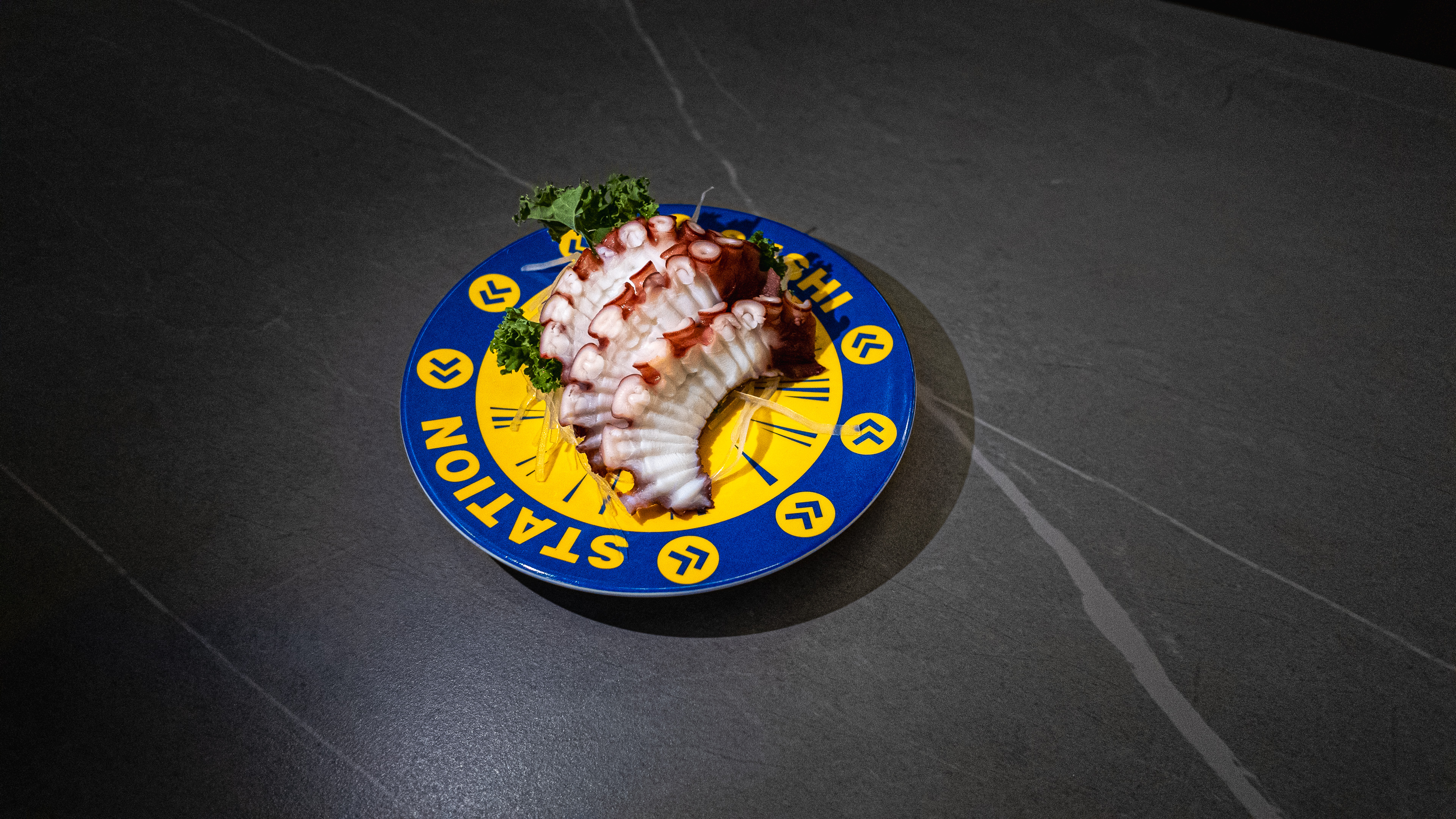
Sashimi is where things get beautifully simple. It’s just the fish (or sometimes other seafood), sliced up and served raw. No rice, no fancy rolls, no nothing. Just pure, high-quality fish cut into perfect little pieces.
When I first tried sashimi, I’ll be honest, I was nervous. Raw fish with nothing else? But wow, was I missing out! The clean, fresh taste of quality sashimi is something special. You really get to taste the fish itself without anything getting in the way.
This is your chance to appreciate Japanese cuisine basics at their finest. Sashimi is all about showcasing the quality and freshness of the seafood. It’s simple, but that simplicity is what makes it so special.
Breaking Down the Sushi vs. Sashimi Westfield Experience
What You’re Actually Ordering
Let me paint you a picture. You walk up to the sushi station, and you see all these beautiful options laid out. Some have rice, some don’t. Some are rolled up, some are sitting pretty on top of rice mounds. It can feel overwhelming!
Here’s your quick cheat sheet: if it’s got rice, it’s sushi. If it’s just fish, it’s sashimi. Really, that’s the heart of the Sushi vs. Sashimi Westfield difference!
But let’s go deeper because there are different types of sushi too:
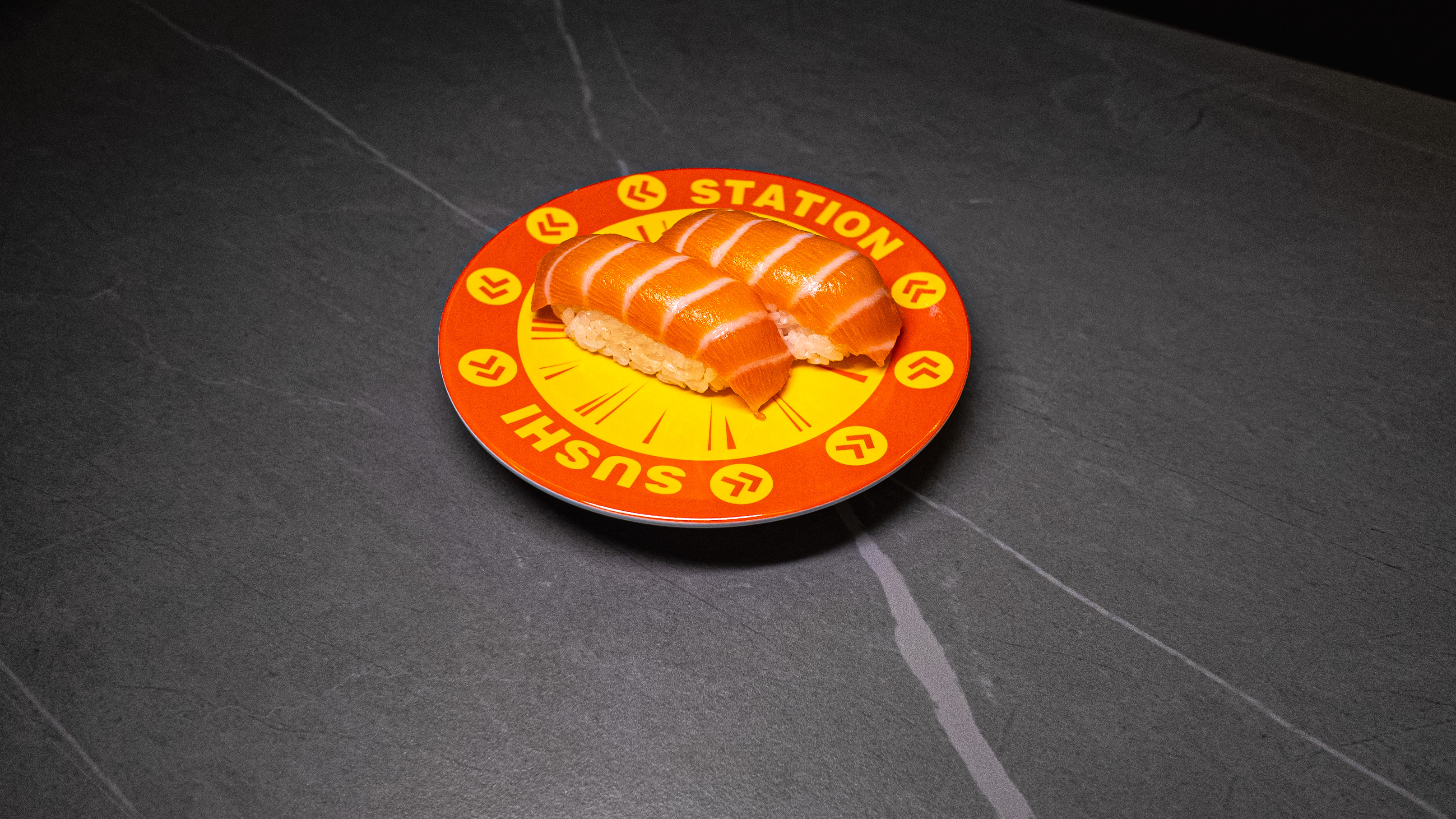
Nigiri is what you see when there’s a slice of fish draped over a small oval of rice. Sometimes there’s a tiny bit of wasabi between the fish and rice. It’s classic, it’s elegant, and it’s delicious!
Maki is the rolled stuff. You know, those cylindrical pieces wrapped in seaweed (nori) with rice and fillings inside. California rolls, spicy tuna rolls, all of those are maki.
Temaki are hand rolls, shaped like little cones. They’re fun to eat and usually pretty filling!
Uramaki are inside-out rolls where the rice is on the outside. These are super popular and often what beginners start with.
The Sashimi Side of Things
Sashimi comes in different cuts and presentations. You might see it arranged beautifully on a plate, sometimes with a bit of daikon radish or shiso leaves for garnish. The cuts can vary from thin slices to thicker pieces, depending on the type of fish.
Common sashimi options include salmon, tuna, yellowtail, and sometimes more adventurous choices like octopus or sea urchin. Each type of fish has its own texture and flavor profile. It’s pretty cool to try different ones and find your favorites!
Your Sushi Ordering Guide for First-Timers
Start With What You Know
Listen, there’s no shame in starting with cooked options! Not everyone’s ready to jump straight into raw fish, and that’s totally fine. Many sushi restaurants (ours included!) offer tons of options with cooked ingredients.
Try a California roll. It’s got imitation crab (which is cooked), avocado, and cucumber. It’s mild, it’s tasty, and it’s a great entry point. Shrimp tempura rolls are another winner. Crispy, warm, and delicious!
Once you’re comfortable, maybe try something with cooked eel. Unagi (freshwater eel) is sweet, savory, and has a texture that’s easier for beginners than raw fish.
Moving Into Raw Territory
Ready to try raw fish? Start with salmon! It’s got a buttery, mild flavor that most people love. Salmon nigiri is a perfect first step. You get the rice, a bit of wasabi, and that smooth salmon on top.
Tuna is another great beginner option. It’s got a clean taste and a nice texture. Plus, it’s what you’ll find in tons of popular rolls.
If you’re feeling brave, yellowtail (hamachi) is absolutely delicious. It’s got a bit more flavor than salmon or tuna, but it’s still pretty mild.
The Sashimi Benefits You Should Know About
Here’s where things get interesting from a health perspective. Sashimi benefits are pretty impressive! Since you’re eating pure fish without rice or other additions, you’re getting straight-up protein and omega-3 fatty acids.
If you’re watching your carb intake, sashimi is your best friend. No rice means fewer carbs, which lots of people appreciate. Plus, you’re getting all those healthy fats that are great for your heart and brain.
The protein content is fantastic too. Fish is a complete protein, meaning it has all the essential amino acids your body needs. And because it’s raw, you’re not losing any nutrients to cooking.
Another one of the sashimi benefits? You really learn to appreciate quality. When there’s nothing hiding the fish, you can tell immediately if it’s fresh and well-prepared. It teaches you to recognize good quality seafood!
Understanding Japanese Cuisine Basics
It’s All About Freshness
One of the most important Japanese cuisine basics is the emphasis on fresh, quality ingredients. This isn’t just a nice-to-have, it’s absolutely essential, especially when you’re dealing with raw fish.
Good sushi restaurants get their fish delivered daily. They know their suppliers, they check the quality, and they won’t serve anything that isn’t up to standard. That’s why you can trust eating raw fish at reputable places!
Presentation Matters
You’ve probably noticed that sushi and sashimi look beautiful, right? That’s not an accident. In Japanese cuisine, how food looks is almost as important as how it tastes. It’s about creating a complete sensory experience.
The colors, the arrangement, the garnishes, they all matter. It’s art you can eat! Pretty cool when you think about it.
Simple Flavors, Big Impact
Japanese cuisine basics focus on letting ingredients shine. You’re not covering everything in heavy sauces or tons of spices. Instead, you’re using just enough seasoning to enhance the natural flavors.
That’s why you’ll see simple accompaniments like soy sauce, wasabi, and pickled ginger. They’re there to complement, not overpower.
Making Your Choice: Sushi or Sashimi?
Consider Your Mood
Some days you want something filling and substantial. That’s a sushi day! The rice makes it more of a complete meal, and you can get a nice variety of flavors and textures.
Other times, you want something light and clean. That’s when sashimi calls your name. It’s refreshing, it’s pure, and it won’t leave you feeling too full.
Think About Your Hunger Level
Real talk: if you’re super hungry, sashimi alone might not cut it. The rice in sushi provides those carbs that help you feel satisfied. You can always order sashimi as an appetizer and then have some sushi rolls!
On the flip side, if you’re not that hungry or you’re trying to keep things light, sashimi with maybe some miso soup and a salad can be perfect.
Mix and Match!
Here’s a secret: you don’t have to choose! One of the best parts of eating at a sushi restaurant is that you can try a bit of everything. Get some sashimi to start, enjoy the pure fish flavors, then move on to some nigiri or rolls.
This Sushi ordering guide isn’t about picking sides. It’s about helping you understand what you’re ordering so you can build a meal you’ll love!
Common Mistakes to Avoid
Don’t Drown Everything in Soy Sauce
I get it, you like soy sauce. But pouring it all over your sushi defeats the purpose! The rice is already seasoned, and too much soy sauce covers up all those delicate flavors.
For nigiri, try turning it upside down and just lightly dipping the fish side into the soy sauce. For sashimi, a small dip is plenty. Trust me on this one!
Wasabi Isn’t a Challenge
Some people treat wasabi like it’s a dare. They pile it on to prove how tough they are. But wasabi is meant to enhance the flavor, not burn your sinuses off!
A tiny bit goes a long way. With nigiri, there’s often already some wasabi between the fish and rice. You might not need any more!
Don’t Skip the Ginger
That pink pickled ginger (gari) isn’t just decoration. It’s a palate cleanser! You’re supposed to eat a bit between different types of sushi to reset your taste buds.
It’s especially helpful when you’re going from mild fish to stronger flavored ones. Plus, it’s got a nice, refreshing zing to it!
Health Considerations and Benefits
Nutritional Powerhouses
Both sushi and sashimi can be really healthy choices. Fish is packed with protein, omega-3 fatty acids, vitamins, and minerals. These nutrients support heart health, brain function, and overall wellness.
The sashimi benefits really shine here because you’re getting pure fish without added calories from rice. But sushi has its place too! The rice provides energy, and many rolls include veggies that add fiber and vitamins.
Watch the Add-Ons
Where things can get less healthy is with the extras. Tempura rolls are fried, adding lots of calories. Rolls with mayo-based sauces pack in extra fat. Those crunchy toppings? Often fried tempura bits.
I’m not saying avoid these completely! They’re delicious. Just be aware of what you’re ordering if you’re trying to keep things on the healthier side.
Sodium Content
Soy sauce is salty, like really salty. If you’re watching your sodium intake, go easy on it. You can also ask for low-sodium soy sauce at most places.
The rice seasoning also has some salt, so keep that in mind. Sashimi on its own is pretty low in sodium until you add the soy sauce.
Making the Most of Your Sushi Station Visit
Ask Questions!
Seriously, don’t be shy! The people working at the sushi station love talking about their food. They can tell you what’s fresh that day, what’s popular, or what might match your taste preferences.
If you’re not sure about something, ask! Want to know what’s in a particular roll? Ask! Wondering if something is spicy? Ask! It’s way better than ordering something you end up not liking.
Try the Chef’s Recommendations
Most sushi places have specials or chef’s choice options. These are often featuring the freshest fish of the day or creative new combinations. Trying these can lead you to new favorites you never would’ve ordered on your own!
Pace Yourself
Sushi and sashimi are meant to be savored, not rushed. Order a few pieces, enjoy them, then order more if you’re still hungry. This way, you can try different things and really appreciate each one.
Plus, it gives you time to gauge how full you’re getting. Sushi can be sneaky, you feel fine and then suddenly you’re super full!
Building Your Perfect Order
For the Sushi Newbie
Start with a beginner-friendly combination. Maybe a California roll, some salmon nigiri, and a cucumber roll. This gives you variety without overwhelming your palate.
You get to try raw fish (the salmon) while also having familiar, mild options. It’s a safe way to test the waters!
For the Adventurous Eater
Ready to explore? Try a sashimi sampler to taste different fish side by side. Add some more unusual rolls, maybe something with eel or sea urchin. Don’t forget to try some nigiri with fish you’ve never had before!
This is where the Sushi vs. Sashimi Westfield experience really gets fun. You can compare and contrast, finding what speaks to your taste buds.
For the Health-Conscious
Load up on sashimi for that protein punch without the carbs. Add a seaweed salad for minerals and fiber. Maybe get a couple pieces of nigiri for a bit of rice, but keep it light.
Skip the fried rolls and mayo-heavy options. Stick with clean, simple preparations that let the fish shine. The sashimi benefits really add up when you’re building a health-focused meal!
Cultural Appreciation and Etiquette
Using Chopsticks
It’s totally okay if you’re not great with chopsticks! Most places will give you a fork if you ask. But if you want to use chopsticks, here’s a quick tip: it’s actually traditional to eat nigiri with your hands! Yep, fingers are fine.
For sashimi and rolls, chopsticks are the way to go. And remember, don’t rub your chopsticks together like you’re starting a fire. It’s considered rude because it suggests the chopsticks are cheap and splintery.
Eating in One Bite
Nigiri and sashimi pieces are typically sized to be eaten in one bite. I know some pieces look big, but give it a shot! It’s designed that way so you get all the flavors together.
If you absolutely can’t manage it, it’s okay to take two bites. Just don’t put a half-eaten piece back on your plate and leave it there.
Respecting the Craft
Making sushi and preparing sashimi is a serious craft. Sushi chefs train for years to perfect their skills. Showing appreciation for their work is part of the experience.
A simple “thank you” or compliment goes a long way. And eating what you order (not wasting food) shows respect for the ingredients and the preparation.
Why You Should Order from Us
Fresh Ingredients Daily
We take the Japanese cuisine basics seriously. Our fish is delivered fresh, and we’re picky about quality. We won’t serve anything that doesn’t meet our standards, which means you’re getting the best every single time.
Options for Everyone
Whether you’re a sushi pro or this is your first time, we’ve got something for you. Cooked rolls, raw options, vegetarian choices, and everything in between. Bring your friends, bring your family, we’ll make sure everyone leaves happy!
Easy Online Ordering
Can’t make it in? No problem! Our online ordering system makes it super easy to get your sushi fix delivered right to your door. You can take your time browsing the menu, reading descriptions, and building your perfect order.
Plus, ordering online means you can reference this Sushi ordering guide while you’re choosing! Take your time, make informed decisions, and get ready for some seriously good food.
Your Next Steps
Now that you understand the Sushi vs. Sashimi Westfield difference, it’s time to put that knowledge to use! Don’t let confusion keep you from enjoying amazing Japanese food.
Start with what sounds good to you. Maybe that’s a safe California roll, or maybe you’re ready to dive into a sashimi platter. There’s no wrong choice, just different experiences.
Remember, eating sushi and sashimi should be fun! It’s about trying new things, finding flavors you love, and enjoying quality food. Don’t stress about doing everything “right.” Just be respectful, be adventurous, and be ready to enjoy yourself.
The beauty of understanding these Japanese cuisine basics is that it opens up a whole world of flavors. You’re not just ordering blind anymore. You know what you’re getting, why it’s prepared that way, and how to enjoy it.
So grab your friends, check out our menu online, and place that order! Whether you choose sushi, sashimi, or a mix of both, you’re in for a treat. And hey, the sashimi benefits alone are worth trying, right?
We can’t wait to share our love of Japanese food with you. Trust me, once you get comfortable with these basics, you’ll wonder why you ever felt intimidated. It’s just good food made by people who care about what they’re doing.
Ready to order? We’re here whenever you are. Let’s make your next meal something special!