
The Art of Traditional Nigiri Sushi: Crafting Perfection with Every Bite
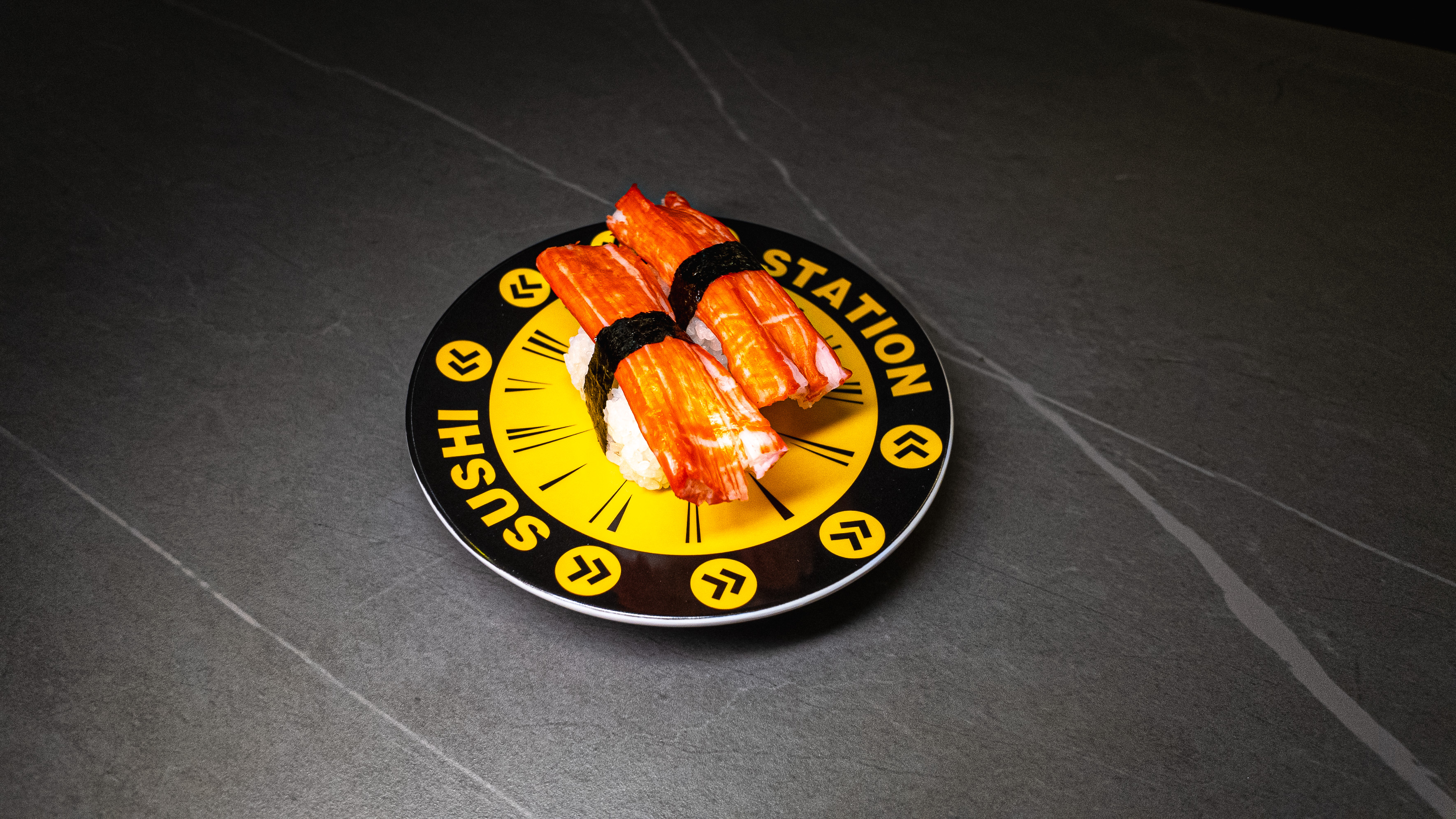
Traditional nigiri sushi is more than just rice and fish pressed together. If you’ve ever wondered why some bites feel like pure art, the secret lies in sushi rice quality and the freshness of the fish. When you taste fresh fish sushi Westfield chefs choose, you’ll understand what authentic Japanese nigiri truly means. Let’s explore what makes each piece a perfect balance of skill and flavor.
The Foundation: Why Sushi Rice Quality Makes or Breaks Your Nigiri
You know what? I’ve been eating sushi for years, and I can tell you right now that the rice is just as important as the fish. Actually, some people would argue it’s even MORE important! When you’re talking about authentic Japanese nigiri, the rice isn’t just a vehicle for the fish. It’s a carefully crafted component that takes years to master.
The best sushi chefs spend countless hours perfecting their rice. We’re talking about getting the right variety (usually short-grain Japanese rice), cooking it to the perfect texture, and seasoning it with just the right blend of rice vinegar, sugar, and salt. The temperature matters too! Traditional nigiri sushi is served with rice that’s at body temperature, which sounds weird until you try it and realize how it brings out all the flavors.
Getting the Texture Just Right
Here’s something cool I learned: when you bite into a piece of nigiri, the rice should hold together but also fall apart gently in your mouth. It shouldn’t be mushy or overly sticky. That perfect texture comes from the rice being cooked with precise water ratios and then being mixed (not stirred!) with the seasoning while it’s still warm.
The grains should have a slight shine to them, like tiny pearls. When a chef forms the rice for nigiri, they’re not squeezing it hard. They’re using just enough pressure to shape it while keeping air between the grains. This is what separates good nigiri from great nigiri!
The Star of the Show: Fresh Fish and Why It Matters
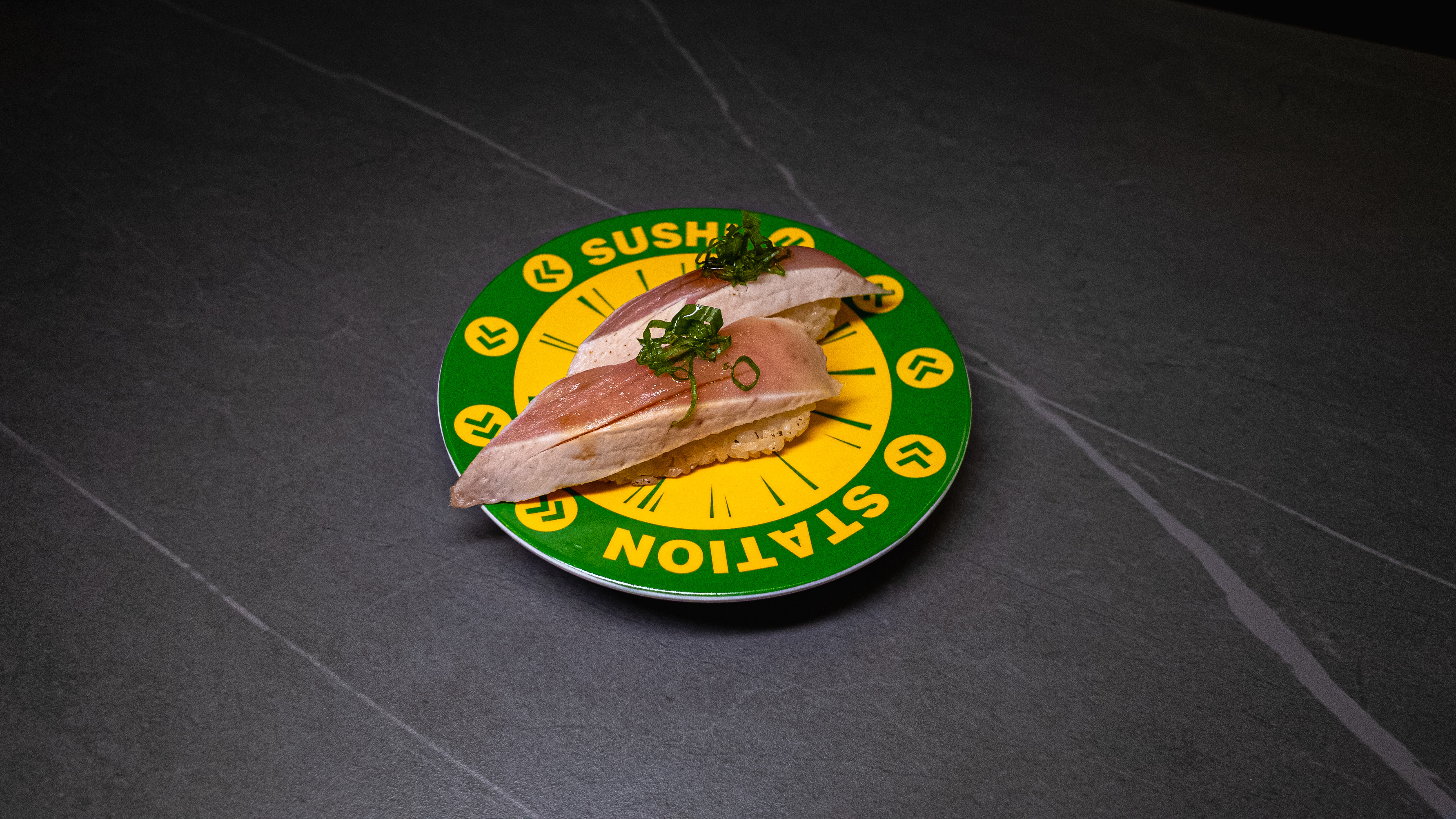
Let me tell you about the first time I had really fresh fish sushi Westfield has to offer. It completely changed my perspective! The fish was so fresh, it practically melted on my tongue. There was no fishy smell, no weird texture, just pure, clean flavor that tasted like the ocean in the best possible way.
What “Fresh” Really Means
When we talk about fresh fish for authentic Japanese nigiri, we’re not just talking about fish that was caught recently. We’re talking about fish that’s been handled properly from the moment it left the water. The best sushi spots get their fish from trusted suppliers who know exactly how to preserve that pristine quality.
Different types of fish require different handling methods. Tuna needs to be bled and chilled immediately. Salmon should be kept at specific temperatures. Some fish actually taste better a day or two after being caught because the flavors develop through a process called aging. Yeah, you read that right! Some fish is intentionally aged to bring out deeper, more complex flavors.
The Variety That Makes Nigiri Special
Traditional nigiri sushi isn’t just about one or two types of fish. A proper nigiri selection includes a rainbow of options, each with its own unique taste and texture. You’ve got your fatty tuna (toro) that literally melts in your mouth. There’s salmon with its buttery richness. Yellowtail brings a clean, slightly sweet flavor. Mackerel offers a bolder, more pronounced taste.
And don’t even get me started on the seasonal fish! This is where things get really fun. A great sushi chef will change their offerings based on what’s in season because that’s when fish tastes its absolute best. Spring might bring sweet shrimp, summer could feature fresh sea urchin, and fall might showcase rich, oily fish that are fattening up for winter.
The Master’s Touch: Technique and Training
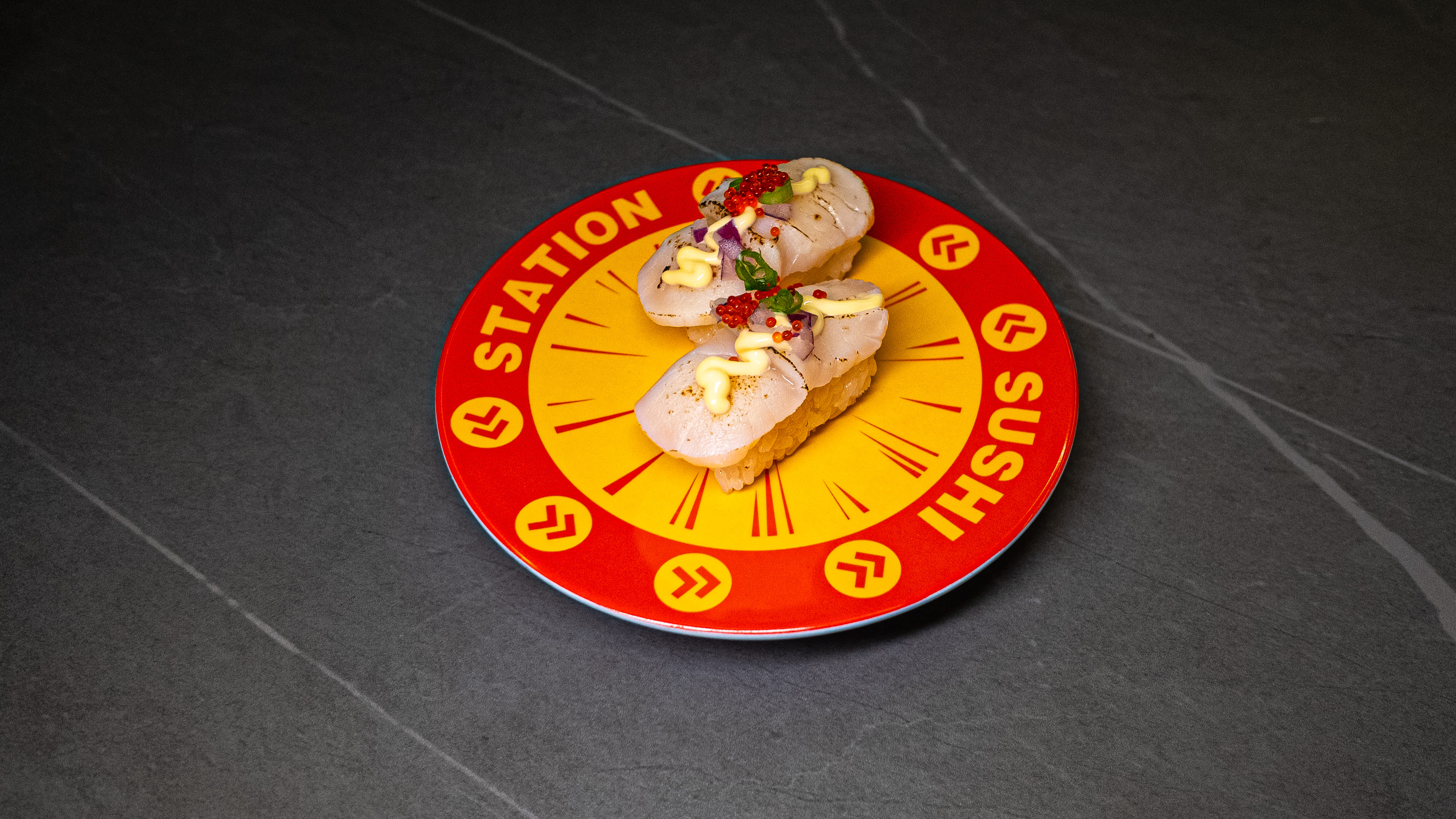
You want to know what really blows my mind? The amount of training that goes into becoming a sushi chef who can make authentic Japanese nigiri. In Japan, apprentices spend YEARS just learning how to make the rice before they’re even allowed to touch the fish. Can you imagine that kind of dedication?
The Art of Forming Nigiri
There’s this technique called “te-mizu” where chefs keep their hands slightly damp with vinegar water while forming nigiri. This prevents the rice from sticking to their hands and adds a subtle extra layer of seasoning. It’s such a small detail, but it makes a difference!
When a skilled chef forms a piece of nigiri, they’re using a specific hand motion that’s been refined over centuries. The right hand cups the rice while the left hand positions the fish. Two or three gentle squeezes, a slight press with the index finger, and boom! You’ve got a perfectly formed piece that’s just the right size for one bite.
The Temperature Game
Here’s something most people don’t think about: temperature plays a huge role in how nigiri tastes. The rice should be slightly warm (remember that body temperature thing?), while the fish is cool but not ice cold. This contrast in temperatures, combined with the different textures, creates this amazing sensory experience in your mouth.
Beyond the Basics: What Elevates Good Nigiri to Great
Okay, so we’ve covered rice and fish, but there’s so much more to traditional nigiri sushi! Let’s talk about all those little touches that turn a simple piece of sushi into something memorable.
The Neta: Choosing and Preparing the Fish
The fish that tops the rice (called “neta”) isn’t just sliced and slapped on top. Oh no! Each type of fish is cut at a specific angle and thickness. Fatty fish might be cut thinner because the flavor is so rich. Leaner fish might be cut slightly thicker to give you more to enjoy.
Some fish gets scored with tiny diagonal cuts that help it mold to the rice better and release more flavor. Others might get a quick sear with a blowtorch (hello, seared salmon belly!). The preparation method depends on the type of fish and what will bring out its best qualities.
The Wasabi Factor
Real wasabi (not that green paste from a tube) is grated fresh right before it goes on your nigiri. It’s got this sharp, clean heat that clears your sinuses but doesn’t linger like hot sauce. A tiny dab goes between the rice and fish, acting as a flavor bridge that ties everything together.
Fun fact: in traditional nigiri sushi preparation, the chef adds just the right amount of wasabi, so you don’t actually need to add more! I know, I know, some of us love loading up on wasabi, but try it the chef’s way first. You might be surprised at how perfectly balanced it already is.
The Dining Experience: How to Enjoy Nigiri Like a Pro
Alright, you’ve got this beautiful piece of authentic Japanese nigiri in front of you. Now what? There’s actually a bit of an art to eating it too!
To Dip or Not to Dip
Here’s where people get confused. When you dip nigiri in soy sauce, you’re supposed to flip it over and dip the FISH side, not the rice side. Why? Because the rice will soak up too much soy sauce and fall apart. Plus, you want the soy sauce to complement the fish, not overpower the carefully seasoned rice.
Better yet, at really good sushi spots serving fresh fish sushi Westfield locals love, the chef often brushes a bit of nikiri (a sweet soy glaze) on top of the fish before serving. When that happens, you don’t need to dip it at all! Just pop it in your mouth and enjoy.
One Bite, Maximum Flavor
Traditional nigiri sushi is designed to be eaten in one bite. I get it, some pieces seem big, but that single bite gives you the full experience of all the flavors and textures working together. If you eat it in two bites, you’re missing out on that perfect balance the chef worked so hard to create.
And here’s a tip: eat it fish-side down so the fish hits your tongue first. Your taste buds will thank you! The fish flavor comes through first, then the rice, then the wasabi, creating this perfect progression of tastes.
The Quality Standards That Matter
When you’re looking for top-notch nigiri, there are some telltale signs of quality. The rice should look glossy and be at the right temperature. The fish should look vibrant and smell clean (like the ocean, not fishy). The pieces should all be roughly the same size, showing the chef’s consistency and skill.
Sourcing Makes the Difference
The best places serving authentic Japanese nigiri have relationships with their suppliers. They know where their fish comes from, how it was caught, and how it was handled. This traceability isn’t just about food safety (though that’s super important too!). It’s about ensuring that every piece of nigiri meets the high standards that traditional sushi demands.
Sushi rice quality starts with the grain itself. Premium short-grain rice from specific regions of Japan or California makes a noticeable difference. The vinegar blend matters too. Some places make their own custom blend, adjusting the sweetness and acidity to complement their fish selection.
Seasonal Variations and Special Preparations
One of the coolest things about traditional nigiri sushi is how it changes with the seasons. Fish that’s amazing in summer might be just okay in winter, and vice versa. A great sushi chef knows these rhythms and adjusts their menu accordingly.
Spring Delights
Spring brings lighter, more delicate fish. You might see more white fish like sea bream or halibut. The flavors are clean and subtle, perfect for the season. Some places feature spring vegetables as accompaniments, creating a menu that really celebrates the time of year.
Summer Selections
Summer is all about that fresh, bright flavor. Skipjack tuna comes into season, along with various types of sea urchin. The fish tends to be leaner during this time, which actually works great because who wants super heavy food when it’s hot out?
Fall Favorites
Fall is when fish start fattening up for winter, and oh boy, does it show in the flavor! This is prime time for fatty tuna and rich, oily fish like mackerel and sardines. The flavors are deeper and more pronounced. It’s like the fish version of comfort food!
Winter Wonders
Winter brings some of the richest, most luxurious nigiri options. This is when yellowtail is at its peak, with beautiful marbling and incredible flavor. Tuna is also fantastic in winter, especially the fattier cuts that are so prized in authentic Japanese nigiri.
Making Nigiri at Home: Is It Possible?
I get asked this all the time: can you make good nigiri at home? The honest answer is… sort of! You can definitely make tasty nigiri at home, but achieving that restaurant-quality traditional nigiri sushi takes practice and the right ingredients.
Starting with the Right Tools
You don’t need a ton of fancy equipment, but a few key items help. A good, sharp knife is essential for cutting fish properly. A wooden bowl (hangiri) for mixing rice is traditional but not required. A bamboo mat helps if you want to try your hand at rolls too.
The Learning Curve
Don’t get discouraged if your first attempts look a bit rough! Even professional chefs spend years perfecting their technique. Start with the rice. Once you can consistently make great sushi rice, you’re halfway there. Then practice forming the rice into those little oval shapes. Use your fingers to get the feel of the right amount of pressure.
For fish, start with something forgiving like salmon. It’s easier to work with than some other options and is widely available. Just make sure you’re buying sushi-grade fish from a reputable source. This is super important for food safety!
Why Fresh Fish Sushi Westfield Offers Stands Out
When you’re in the Westfield area looking for authentic Japanese nigiri, you want to know what sets the great places apart from the good ones. It comes down to commitment to quality and respect for tradition.
The best spots source their fish carefully, maintain proper sushi rice quality standards, and employ chefs who’ve trained in the traditional methods. They’re not taking shortcuts or compromising on ingredients. You can taste the difference in every bite!
These places understand that traditional nigiri sushi isn’t fast food. It’s a craft that deserves time, attention, and respect. When you order from them, you’re not just getting food. You’re getting a piece of culinary art that’s been perfected over centuries.
The Social Aspect of Nigiri
Here’s something I love about nigiri: it brings people together! Whether you’re sitting at the sushi bar watching the chef work or sharing a platter with friends, there’s something special about the communal aspect of sushi dining.
At the sushi bar, you can chat with the chef, ask questions about the fish, and get recommendations based on what’s especially good that day. It’s interactive and fun! The chef might even surprise you with a special piece that’s not on the menu if they’ve got something really spectacular.
Sharing platters with family or friends lets everyone try different types of fish. You can compare notes, share favorites, and maybe even convince someone to try something new. I’ve seen people who swore they didn’t like sushi become total converts after trying really fresh, well-made nigiri!
Pairing and Presentation
Traditional nigiri sushi is often served with pickled ginger (gari) and wasabi on the side. The ginger acts as a palate cleanser between different types of fish, letting you fully appreciate each one’s unique flavor. It’s not meant to be eaten with the sushi, but between pieces!
As for drinks, sake is the classic pairing, but green tea works great too. Some people love beer with their sushi. Really, it’s about what you enjoy! The key is choosing something that won’t overpower the delicate flavors of the fish.
The presentation matters too. Good nigiri is arranged beautifully on the plate, often in a specific order from lightest to richest flavors. This isn’t just for looks (though it does look gorgeous!). It’s designed to give you the best tasting experience as you work your way through the selection.
The Future of Traditional Nigiri
Even though we’re talking about a traditional food with centuries of history, nigiri continues to grow. Chefs are finding new ways to honor tradition while adding their own creative touches. You might see local fish prepared in traditional nigiri style or unique garnishes that complement classic preparations.
What doesn’t change is the core commitment to quality. Whether it’s traditional nigiri sushi made exactly as it has been for generations or a modern interpretation, the best versions always start with excellent sushi rice quality and the freshest fish available.
Why It’s Worth Seeking Out the Best
Look, I know good sushi can be pricey. But when you taste really exceptional authentic Japanese nigiri, you understand why. You’re paying for years of training, premium ingredients, careful sourcing, and meticulous preparation. Every piece represents a level of skill and attention to detail that’s rare in our fast-paced world.
Plus, ordering from places that take nigiri seriously supports the continuation of these traditional techniques. You’re helping preserve a culinary art form that might otherwise get lost in a sea of conveyor-belt sushi and grocery store California rolls (which have their place, but aren’t the same thing!).
Ready to Try the Real Deal?
If you haven’t experienced truly great traditional nigiri sushi, you’re in for a treat! Start by finding a reputable spot known for their fresh fish and skilled chefs. Don’t be afraid to ask questions. Good sushi chefs love talking about their craft and helping people appreciate the finer points of nigiri.
Try ordering omakase (chef’s choice) if it’s available. This lets the chef showcase what’s best that day and introduce you to fish you might not have tried otherwise. It’s a fun way to expand your sushi horizons!
And if you’re in the Westfield area craving that perfect bite of fresh fish sushi Westfield is known for, you know what to do. Order from a place that respects the craft, sources quality ingredients, and puts care into every piece. Your taste buds will thank you!
Remember, great nigiri isn’t just food. It’s an art form, a tradition, and a delicious way to connect with centuries of culinary excellence. Each piece tells a story of skill, quality, and respect for ingredients. So next time you’re enjoying that perfect bite of nigiri, take a moment to appreciate all the work that went into creating it. Then take another bite, because it’s just too good to stop at one!