
Nigiri vs Sashimi vs Maki: Your Ultimate Guide to Japanese Sushi Styles
You might think sushi is just raw fish on rice, but that’s only scratching the surface. When it comes to nigiri vs sashimi and types of sushi rolls, many get confused about what sets them apart. This authentic sushi guide breaks down what is maki and other essentials to sharpen your Japanese food education. Keep reading to master the basics every sushi lover needs to know.
What Makes Nigiri Special
The Classic Hand-Pressed Sushi
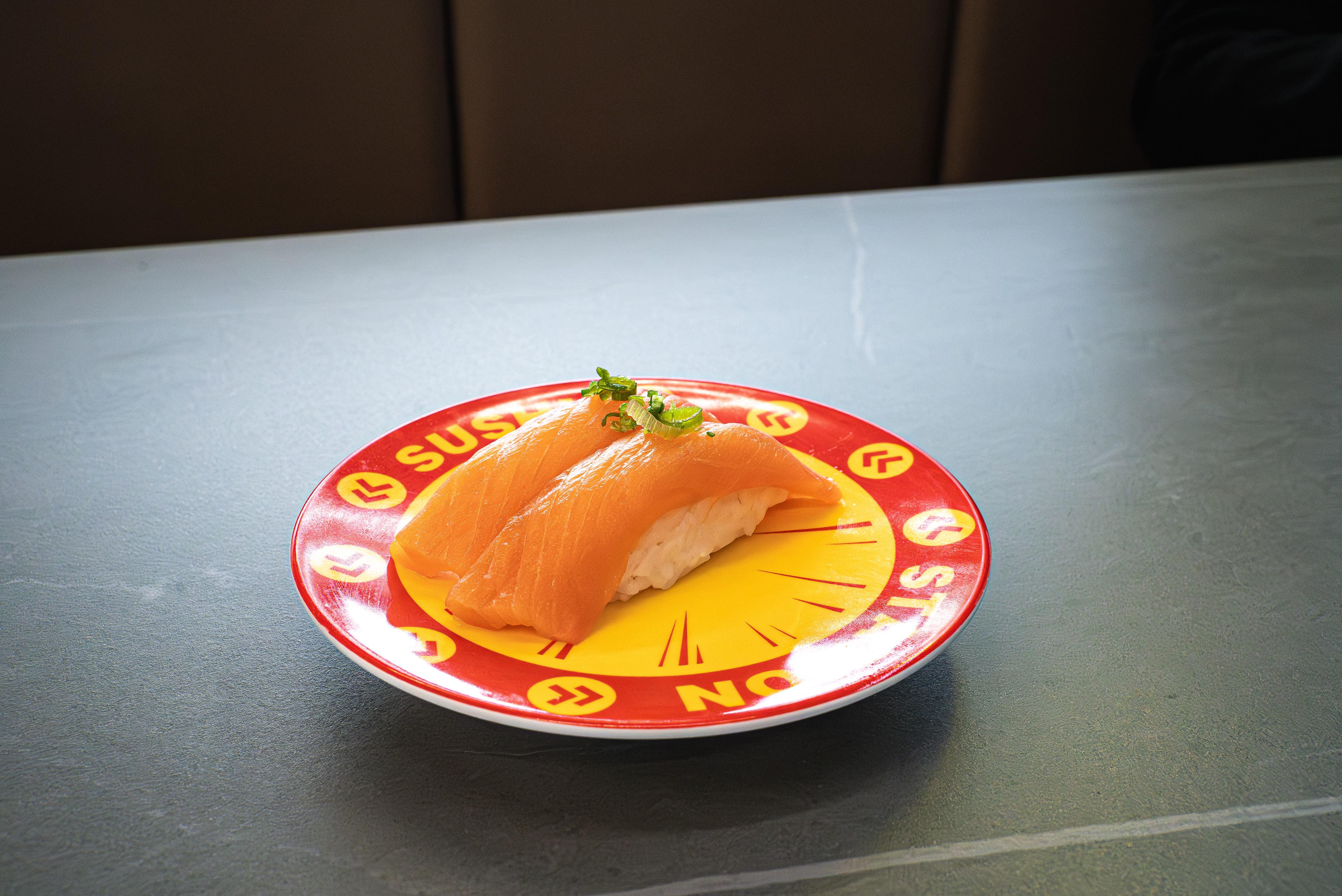
Let me tell you, the first time I tried real nigiri, it totally changed how I thought about sushi! Nigiri is that beautiful slice of fish (or sometimes other toppings) sitting pretty on top of a small mound of seasoned rice. The word “nigiri” actually means “hand-pressed” in Japanese, which tells you everything about how it’s made.
A sushi chef takes warm, vinegared rice and gently shapes it with their hands into an oval. Then they add a dab of wasabi and top it with a slice of fresh fish, seafood, or even egg. Sometimes they’ll add a thin strip of nori (seaweed) to hold everything together, but not always. It’s simple, elegant, and lets the quality of the fish really shine through.
Common Nigiri Toppings You’ll Love
When you’re looking at a menu, you’ll see tons of options for nigiri. Salmon (sake) and tuna (maguro) are super popular choices, especially if you’re just starting your Japanese food education. But don’t stop there! Yellowtail (hamachi), eel (unagi), and shrimp (ebi) are all amazing picks.
Here’s a fun tip: the rice should be at body temperature, while the fish should be cool. That temperature contrast? Chef’s kiss! It’s one of those details that separates okay nigiri from the really good stuff.
Understanding Sashimi (It’s Not Actually Sushi!)
The Pure Fish Experience
Okay, this is where things get interesting in the whole nigiri vs sashimi debate. Ready for a mind-blower? Sashimi isn’t technically sushi at all! I know, I know, it’s always on the sushi menu, but hear me out.
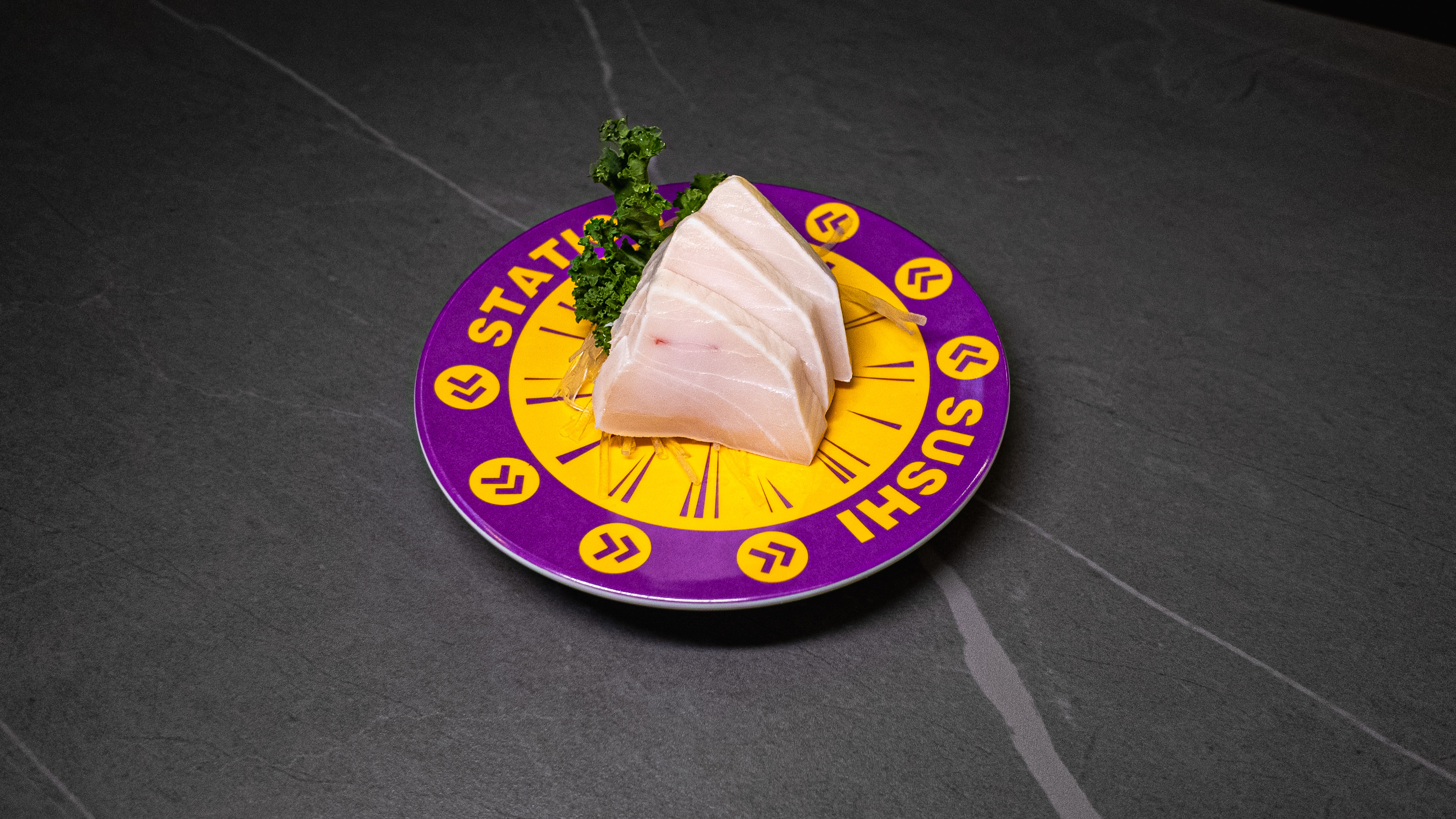
Sashimi is just thinly sliced raw fish or seafood served without rice. Yep, that’s it! The word breaks down to “sashi” (pierced) and “mi” (body), though the exact origin is debated. What matters is that you’re getting pure, unadulterated fish in all its glory.
How to Eat Sashimi Like a Pro
When your sashimi arrives, it’ll usually come with some shredded daikon radish, shiso leaves, and maybe a cute little garnish. You’ll get soy sauce and wasabi on the side, too. Here’s the thing: don’t just dump all the wasabi into your soy sauce! (I totally did this my first time, and the chef gave me the saddest look.)
Instead, try putting a tiny bit of wasabi directly on the fish, then dip it lightly in soy sauce. Or skip the wasabi entirely and just use soy sauce. The goal is to taste the fish, not drown it. This authentic sushi guide wouldn’t be complete without mentioning that high-quality sashimi should taste clean, slightly sweet, and melt in your mouth.
Popular Sashimi Varieties
Tuna sashimi comes in different grades, and if you see “toro” on the menu, grab it! That’s the fatty belly part, and it’s absolutely amazing. Salmon is another crowd favorite, super buttery and rich. Yellowtail, octopus, and squid are also common picks.
Some places even serve seared sashimi, where they quickly torch the outside while keeping the inside raw. It adds this whole new flavor dimension that’s pretty cool to try!
What Is Maki and Why You’ll Love It
The Rolled Sushi Family
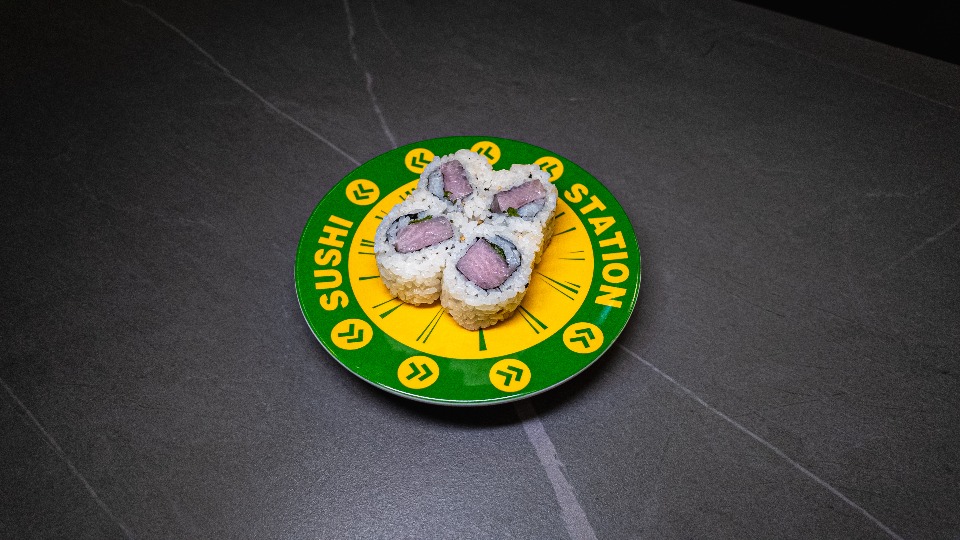
So what is maki exactly? Great question! Maki means “roll” in Japanese, and it’s probably what most people picture when they think of sushi. You’ve got rice, fillings, and nori all rolled up into a cylinder and sliced into bite-sized pieces.
Making maki involves spreading rice on a sheet of nori, adding your fillings in a line, and then rolling everything up using a bamboo mat called a makisu. The roll gets sliced into six or eight pieces, and boom! You’ve got yourself some maki.
Different Types of Sushi Rolls Explained
Here’s where your Japanese food education really kicks into gear because there are SO many types of sushi rolls! Let me break down the main categories for you.
Hosomaki are thin rolls with just one filling, usually wrapped in nori with rice on the inside. Think cucumber rolls or tuna rolls. They’re simple but satisfying, and perfect if you want to focus on one flavor.
Futomaki are the thick boys of the maki world! These fat rolls have multiple fillings and are great when you’re really hungry. They often include vegetables, egg, and fish or seafood all rolled together.
Uramaki (also called inside-out rolls) flip the script by putting the rice on the outside and the nori on the inside. California rolls are probably the most famous example. The rice on the outside is often topped with sesame seeds or fish roe, which looks gorgeous and adds extra texture.
Temaki are hand rolls shaped like ice cream cones! The nori forms a cone, and it’s filled with rice and toppings. You eat these with your hands, and they’re super fun for a casual meal with friends.
Nigiri vs Sashimi: The Key Differences
Let’s settle this once and for all! The main difference in the nigiri vs sashimi debate comes down to one thing: rice. Nigiri has it, sashimi doesn’t. Simple as that!
But there’s more to consider. Nigiri is considered sushi because “sushi” actually refers to the vinegared rice, not the raw fish. Sashimi is its own category of Japanese cuisine. When you order nigiri, you’re getting a complete bite with the fish and rice balanced together. With sashimi, you’re getting a pure fish-tasting experience.
Price-wise, sashimi often costs a bit more per piece because you’re getting more fish and no rice to bulk things up. Both are awesome choices, just depends on what you’re in the mood for!
Types of Sushi Rolls You Need to Try
Classic Rolls Everyone Loves
If you’re building your authentic sushi guide knowledge, you’ve gotta know the classics! The California roll kicked off the whole American sushi craze back in the 1960s. It’s got imitation crab, avocado, and cucumber. Not traditional Japanese, but totally delicious.
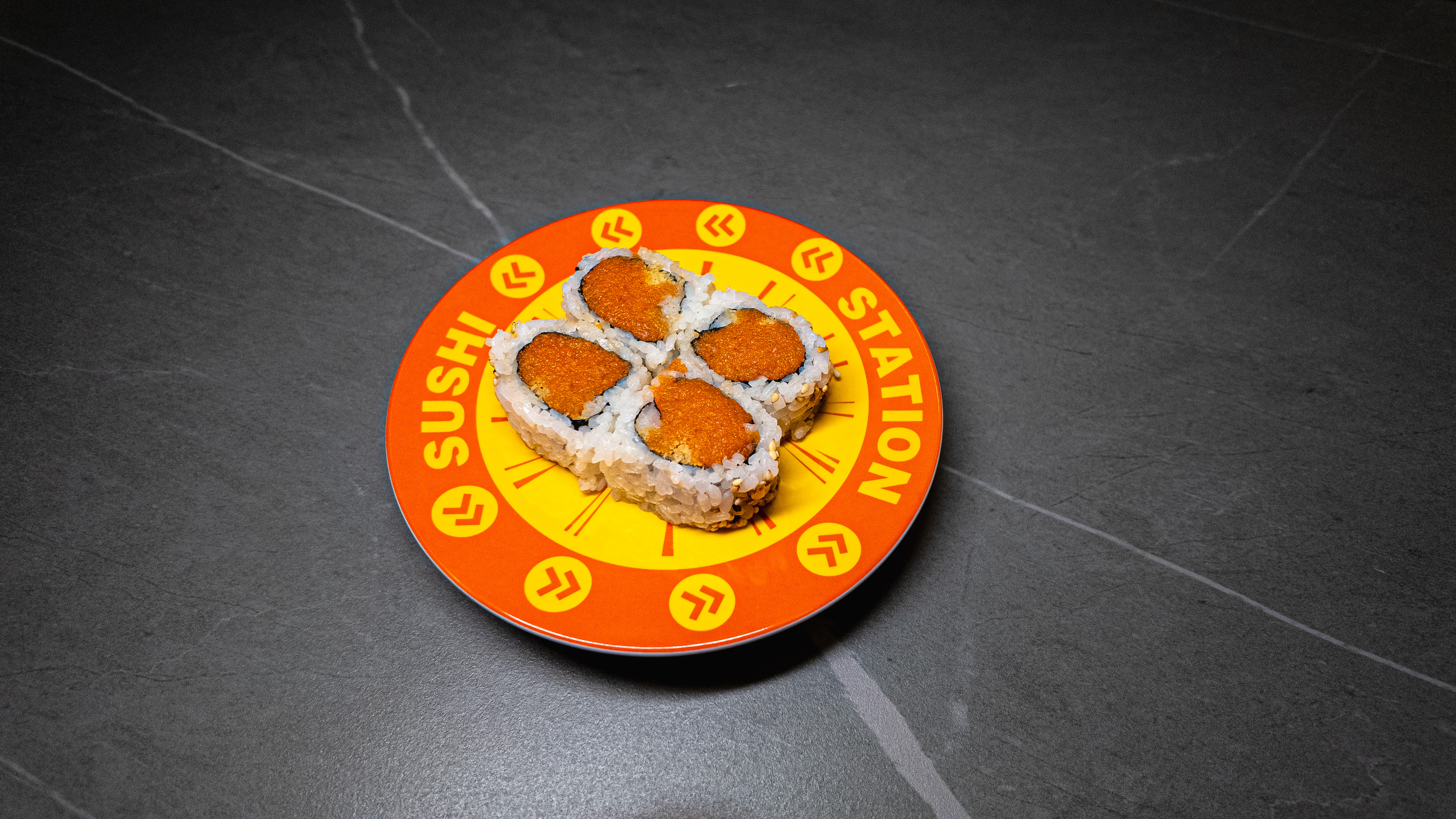
Spicy tuna rolls are another favorite. They mix chopped tuna with spicy mayo and roll it up with cucumber. So good! Philadelphia rolls combine salmon, cream cheese, and cucumber. I know cream cheese in sushi sounds weird, but trust me, it works.
Creative Modern Rolls
Once you’ve got the basics down, it’s time to explore! Rainbow rolls are uramaki topped with multiple types of fish, creating this beautiful colorful pattern. Dragon rolls usually feature eel and cucumber inside with avocado arranged on top to look like dragon scales.
Lots of restaurants create their own signature rolls with unique combinations. Some add tempura for crunch, others include mango or strawberry for sweetness. Don’t be afraid to ask your server what they recommend!
How to Order Sushi Like You Know What You’re Doing
Starting Your Sushi Meal Right
When you sit down at a sushi restaurant, you might feel a little overwhelmed by all the options. Here’s my advice: start with what you know and branch out from there. If you’re comfortable with cooked options, try shrimp nigiri or a California roll first.
Want to be a bit more adventurous? Ask the chef what’s fresh that day. Seriously, chefs love when you do this! They’ll steer you toward the best fish and might even give you something special.
Mixing and Matching
There’s no rule saying you can’t order nigiri vs sashimi vs maki all in one meal! In fact, that’s a great way to compare and really understand the differences. Get a few pieces of nigiri, some sashimi, and a roll or two. You’ll leave with a much better sense of what you like.
Proper Sushi Etiquette (Don’t Stress Too Much!)
The Basics You Should Know
Okay, let’s talk etiquette for a second. Don’t worry, you’re not going to offend anyone if you don’t follow every rule perfectly. But knowing a few basics will make you feel more confident.
You can eat nigiri and maki with your hands or chopsticks, both are totally fine! Sashimi should be eaten with chopsticks, though. When dipping nigiri in soy sauce, flip it over and dip the fish side, not the rice. The rice can soak up too much soy sauce and fall apart.
Ginger (gari) is meant to cleanse your palate between different types of fish, not to be eaten with your sushi. And wasabi? Like I mentioned earlier, mix it with soy sauce if you want, but try it the traditional way at least once!
Don’t Be Afraid to Ask Questions
Here’s the thing: good sushi chefs and servers WANT you to enjoy your meal. If you don’t know what something is, ask! Wondering about the difference between types of sushi rolls? Just say so! Building your Japanese food education is part of the fun, and people are usually happy to help.
The Quality Factor: What Makes Great Sushi
Freshness Is Everything
Whether you’re eating nigiri, sashimi, or maki, freshness makes or breaks the experience. Fresh fish should smell like the ocean (clean and slightly sweet), not fishy. The texture should be firm, not mushy or slimy.
The rice matters just as much as the fish! Good sushi rice is seasoned with the right balance of vinegar, sugar, and salt. It should hold together but still feel light and a bit fluffy, not dense or sticky.
Finding Quality Sushi Near You
Look for restaurants that have high turnover (meaning lots of customers), which usually means fresher ingredients. Check reviews, but also trust your gut. A clean, well-maintained restaurant that takes pride in presentation is usually a good sign.
Some places let you watch the chefs work, which is not only cool to see but also shows they’ve got nothing to hide! Plus, sitting at the sushi bar is the best way to learn and interact with the people making your food.
Making Sushi at Home (Yes, You Can!)
Starting Simple
Want to try making sushi yourself? Start with maki! It’s the most forgiving for beginners. You’ll need a bamboo rolling mat, some nori, sushi rice, and your choice of fillings. Cucumber and avocado are great starter fillings because you don’t have to worry about raw fish safety.
Making nigiri takes more practice because shaping the rice properly is tricky. But hey, even if your first attempts look a little wonky, they’ll still taste good! Sashimi at home is possible if you have access to sushi-grade fish, but make sure you’re buying from a reputable source.
The Right Tools and Ingredients
A sharp knife is super important for cutting clean slices. You’ll also want a rice cooker or at least a good pot for making perfect rice. Rice vinegar, nori sheets, and a bamboo mat are all pretty cheap and easy to find at Asian grocery stores or online.
This authentic sushi guide wouldn’t be complete without mentioning that practice makes perfect. Your first rolls might be loose or messy, and that’s totally okay! Keep at it, and you’ll improve quickly.
Health Benefits of Eating Sushi
Nutritional Perks
One of the cool things about sushi is that it can be pretty healthy! Fish is packed with omega-3 fatty acids, which are great for your heart and brain. Salmon, tuna, and mackerel are especially high in these good fats.
Seaweed (nori) is loaded with vitamins and minerals, including iodine, which supports thyroid function. The rice gives you energy, and if you’re eating vegetables in your rolls, you’re getting fiber and nutrients from those too.
Watching Out for the Not-So-Healthy Stuff
Now, let’s be real. Some types of sushi rolls are basically deep-fried and covered in mayo-based sauces. They’re delicious, but not exactly health food! Tempura rolls and anything described as “crunchy” usually means fried.
Also, soy sauce is crazy high in sodium, so go easy on it if you’re watching your salt intake. And while raw fish is generally safe at reputable restaurants, pregnant women and people with compromised immune systems should stick to cooked options.
Pairing Your Sushi with Drinks
Traditional Japanese Options
Sake (Japanese rice wine) is the classic pairing with sushi. It comes in different styles, from dry to sweet, and can be served hot or cold. Green tea is another traditional choice that helps cleanse your palate and aids digestion.
Japanese beer, like Asahi or Sapporo, is light and crisp, which works great with sushi without overwhelming the delicate flavors. Some people love it, some prefer sake. Try both and see what you think!
Other Great Pairings
White wine, especially something crisp like Sauvignon Blanc or Pinot Grigio, pairs beautifully with sushi. The acidity cuts through the richness of fatty fish. Champagne or sparkling wine is another fantastic option, especially with sashimi.
Not a drinker? No problem! Sparkling water with lemon or even a light iced tea works perfectly. The goal is something that refreshes your palate between bites.
Your Sushi Adventure Starts Now!
By now, you should have a solid understanding of nigiri vs sashimi and all the different types of sushi rolls out there. You know what is maki, how to order with confidence, and even some etiquette tips to help you feel comfortable at any sushi restaurant.
The best way to continue your Japanese food education? Get out there and start eating! Try different styles, ask questions, and pay attention to what you like and don’t like. Every sushi meal is a chance to learn something new and refine your palate.
Whether you’re grabbing a quick lunch of simple maki rolls or sitting down for an omakase experience where the chef chooses everything, sushi offers something for everyone. The combination of fresh ingredients, skilled preparation, and beautiful presentation makes it special every single time.
So next time someone asks you about the difference between nigiri, sashimi, and maki, you’ll be ready to share your knowledge! And who knows? You might just inspire them to join you for your next sushi outing. After all, sushi is always better with friends.
This authentic sushi guide is just the beginning. Keep exploring, keep tasting, and most importantly, have fun with it! Your taste buds will thank you, and you’ll gain a whole new appreciation for this amazing cuisine. Now go order some sushi and put your new knowledge to work!