
Most sashimi misses the mark because the fish isn’t fresh enough. If you care about every bite, you know the difference between ordinary and top-tier raw fish. At Sushi Station, fresh sashimi Westfield lovers find a selection that sets the bar high, from Scottish Salmon sashimi to yellowtail hamachi Westfield. Let’s uncover why ingredient quality makes all the difference in your sushi experience.
What Makes Sashimi Actually Good
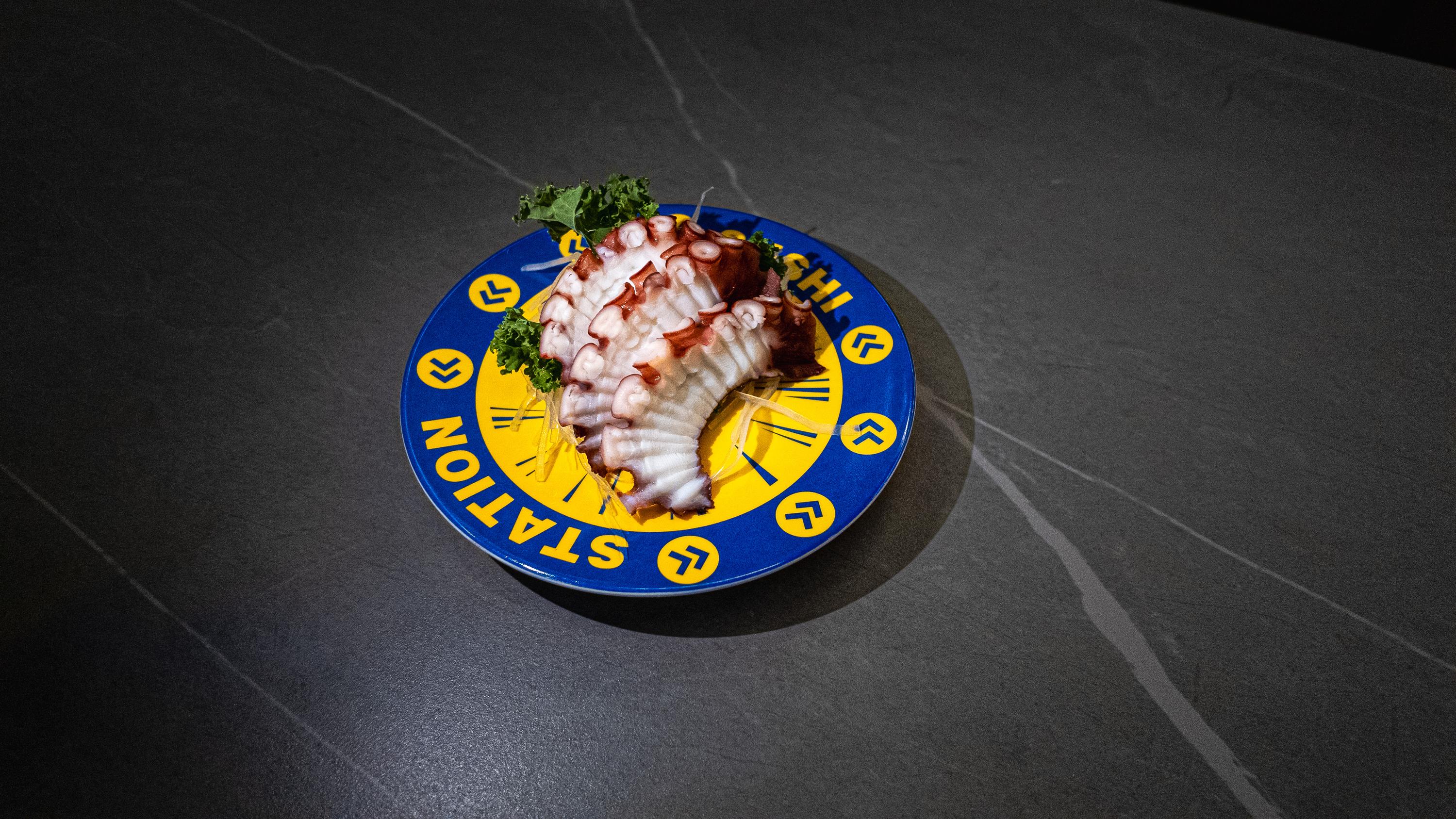
It All Starts With the Source
Look, I’ll be straight with you. The difference between amazing sashimi and the stuff that just sits there on your plate? It’s all about where that fish comes from. You can’t fake quality when you’re eating raw fish. There’s nowhere for mediocre ingredients to hide!
When you’re ordering fresh sashimi Westfield style, you’re looking at fish that’s been handled with care from the moment it’s caught. We’re talking about proper temperature control, quick transport times, and suppliers who actually know what they’re doing. It’s not just about getting fish from the ocean to your plate. It’s about making sure every single step in between preserves that incredible texture and flavor.
I remember the first time I tried really good sashimi. It was like night and day compared to what I’d been eating before. The fish practically melted on my tongue, and the flavor was clean and sweet, not fishy at all. That’s when I got it. Quality isn’t just some fancy word restaurants throw around. It’s something you can taste immediately.
The Cold Chain Can’t Be Broken
Here’s something most people don’t think about: temperature matters SO much. Like, we’re talking about the difference between safe, delicious fish and something you definitely don’t want to eat. The best raw fish Indiana has to offer goes through what’s called a “cold chain,” which is just a fancy way of saying it stays cold from catch to plate.
At Sushi Station, we’re obsessed with this stuff. Every piece of fish gets checked, double checked, and stored at exactly the right temperature. It’s not glamorous work, but it’s what keeps that sashimi tasting fresh and amazing every single time you visit.
Why Scottish Salmon Sashimi Stands Out
The Scottish Difference
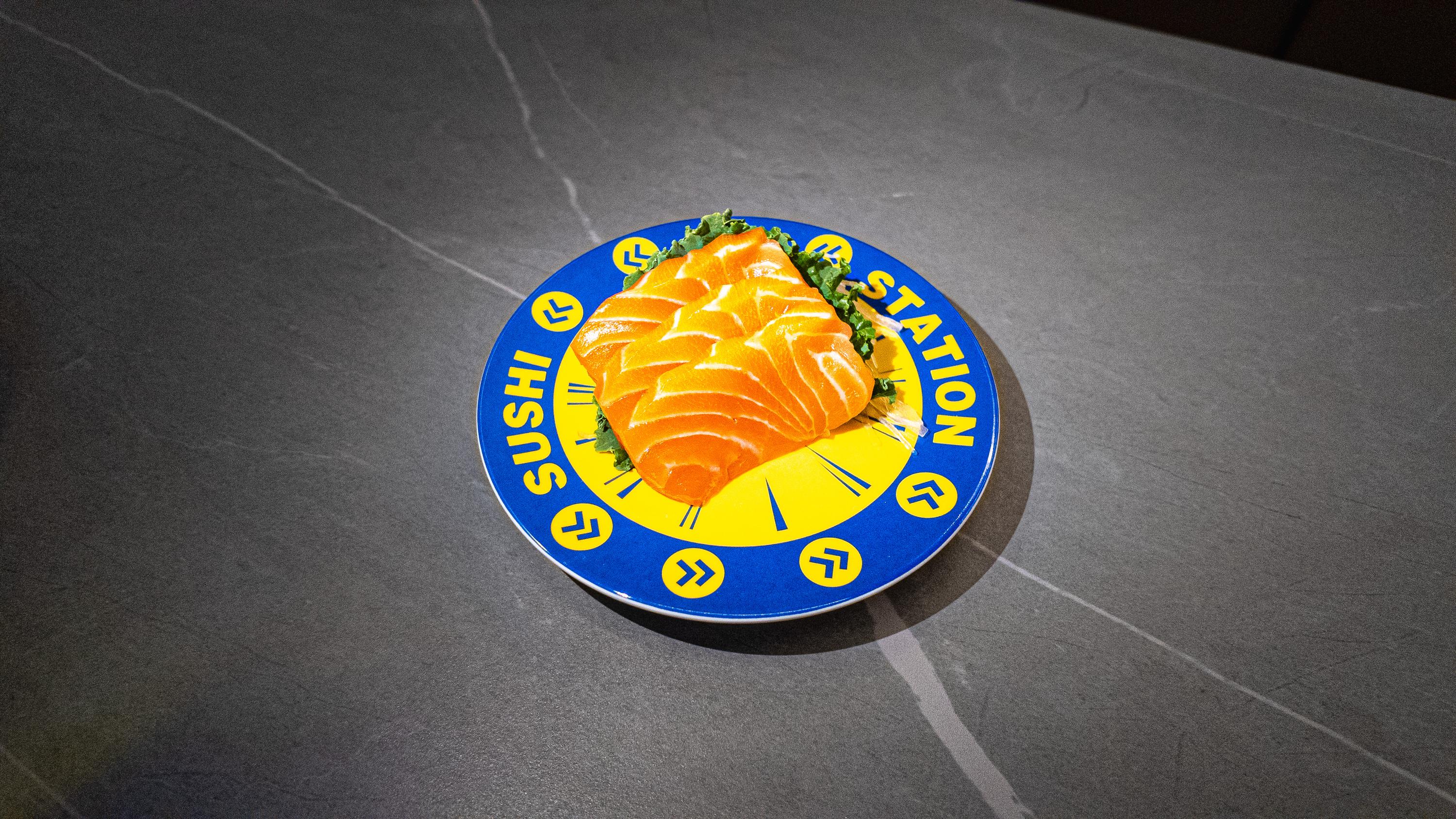
Let me tell you about Scottish Salmon sashimi because this stuff is special! Scotland’s cold, clean waters create the perfect environment for raising salmon that’s rich, buttery, and absolutely perfect for eating raw. The fish from Scottish farms are raised with strict standards that you just don’t see everywhere.
When you bite into a piece of quality Scottish salmon, you’ll notice the fat content right away. It’s marbled throughout the flesh, giving you that melt-in-your-mouth texture that sushi lovers go crazy for. The color is this gorgeous deep orange-pink that tells you right away you’re looking at premium fish.
What I love about serving Scottish Salmon sashimi is watching people’s faces when they try it. You can see the moment they realize this isn’t like the salmon they’ve had before. It’s richer, smoother, and has this clean ocean flavor that doesn’t need much more than a touch of soy sauce and wasabi.
Fat Content Matters More Than You Think
Here’s a fun fact: the fat in salmon isn’t just about flavor (though it definitely helps there!). Those omega-3 fatty acids are actually what give the fish its silky texture. Scottish salmon tends to have higher fat content than a lot of other varieties, which is why it’s such a favorite among people who really know their sushi.
When you’re choosing fresh sashimi Westfield options, pay attention to how the fish looks. Quality salmon should have visible marbling, kind of like a good steak. That marbling is your friend! It means you’re about to eat something that’s going to taste incredible.
Yellowtail Hamachi: The Other Star
What Makes Hamachi So Special
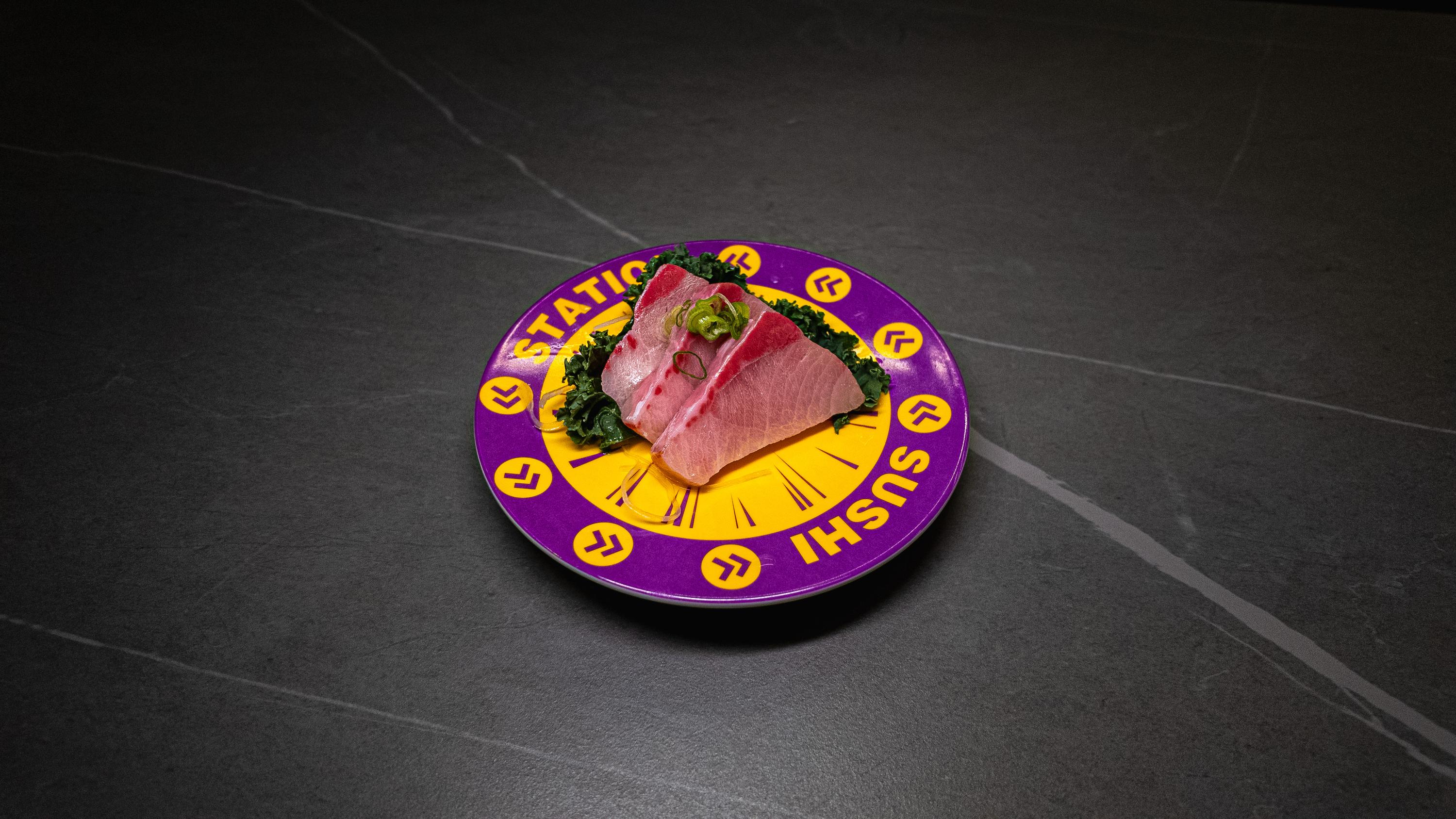
If salmon is the comfortable favorite, yellowtail hamachi Westfield style is the sophisticated choice that’ll blow your mind. This fish has a completely different profile from salmon. It’s leaner, with a cleaner taste and a firmer texture that still manages to be incredibly tender.
Hamachi comes from Japanese amberjack, and when it’s sourced properly, it’s one of the most prized fish for sashimi. The flavor is mild but complex, with a slight sweetness that pairs beautifully with traditional sushi accompaniments. Some people describe it as buttery, others say it’s more delicate. I think it’s just plain delicious!
What’s cool about yellowtail hamachi Westfield offerings at Sushi Station is that we get fish that’s been handled perfectly from start to finish. The texture should be firm but yielding, never mushy or tough. When you pick up a piece with your chopsticks, it should hold together beautifully but then just dissolve on your tongue.
The Belly vs. The Back
Here’s an insider tip for you: not all hamachi cuts are created equal! The belly portion (called “toro” when we’re talking about fatty cuts) is richer and more tender. The back portions are leaner and have a slightly firmer bite. Both are amazing, just in different ways.
When you’re ordering, don’t be shy about asking which cut you’re getting. At Sushi Station, we’re always happy to talk about the fish and help you find exactly what you’re craving. Sometimes you want that rich, fatty experience. Other times, you want something lighter and cleaner. There’s no wrong choice!
How to Tell You’re Getting Quality Fish
Visual Cues That Never Lie
Okay, let’s talk about how you can tell you’re getting the best raw fish Indiana has available. First up: look at it! Quality sashimi should look glossy and almost translucent. If it looks dull or opaque, that’s a red flag.
The color should be vibrant and true to the species. Salmon should be that beautiful orange-pink. Tuna should be deep red. Hamachi should have a pale, almost pearlescent quality. If the colors look faded or off, the fish probably isn’t at its peak.
Another thing to check? The edges. Fresh fish has clean, sharp edges when it’s cut. If the edges look ragged or the fish seems to be falling apart, it’s past its prime. At Sushi Station, we cut our sashimi to order whenever possible, so you’re always getting fish at its absolute best.
The Smell Test
I know this sounds obvious, but it’s worth saying: fresh fish shouldn’t smell fishy! That strong, unpleasant fish smell? That’s a sign of fish that’s breaking down. Quality sashimi should smell clean, maybe a little like the ocean, but never strong or off-putting.
When you walk into a sushi restaurant, take a deep breath. You should smell rice, maybe a hint of vinegar, perhaps some soy sauce. If you’re hit with a strong fish smell, that’s your cue to maybe eat somewhere else. The best places serving fresh sashimi Westfield style smell clean and inviting, not like a fish market.
The Role of Proper Handling
From Boat to Plate
Let me paint you a picture of what proper fish handling looks like. The moment that fish is caught, the clock starts ticking. Quality suppliers know this, so they process and chill the fish immediately. We’re talking about getting it on ice or into refrigeration within minutes, not hours.
Then comes the transport. The fish needs to stay at consistent cold temperatures the entire time it’s moving from the boat to the distributor to the restaurant. Any break in that cold chain and you’ve got problems. This is why relationships with suppliers matter so much. You need people who take this stuff as seriously as you do.
At Sushi Station, we only work with suppliers who meet our standards. That means regular deliveries, proper documentation, and fish that arrives in perfect condition every single time. It costs more to do it this way, but you can taste the difference in every piece of sashimi we serve.
Storage Makes or Breaks Quality
Once the fish arrives at the restaurant, the work isn’t done. Proper storage is just as important as everything that came before. Different fish need different storage temperatures and conditions. Tuna likes it colder than salmon. Hamachi needs to be stored separately to prevent cross-contamination of flavors.
We keep detailed logs of when fish arrives, how it’s stored, and when it’s used. It might sound like overkill, but this attention to detail is what separates okay sushi from the best raw fish Indiana can offer. Every piece of sashimi you eat at our place has been tracked and monitored to make sure it’s perfect.
Why Wild-Caught vs. Farmed Actually Matters
Understanding the Debate
There’s this whole conversation in the sushi world about wild-caught versus farmed fish, and honestly, it’s not as simple as saying one is always better than the other. Both can be amazing if they’re done right!
Wild-caught fish tend to have a more complex flavor profile because they’re eating a natural diet and swimming in open water. The texture can be firmer, and the taste more intense. But wild-caught also means dealing with seasons, availability issues, and sometimes higher prices.
Farmed fish, when it’s done well (like our Scottish Salmon sashimi), can be incredibly consistent in quality. The fish are raised in controlled environments, fed carefully managed diets, and harvested at their peak. Good fish farming is actually pretty impressive when you look into it!
What We Choose and Why
At Sushi Station, we pick the best option for each type of fish. For salmon, we go with Scottish farmed because the quality is consistently outstanding. For other fish, we might choose wild-caught depending on the season and what’s available. The key is knowing your suppliers and trusting their expertise.
When you’re eating fresh sashimi Westfield style at our place, you’re getting fish that we’ve personally vetted and approved. We taste everything that comes in. If it doesn’t meet our standards, it doesn’t go on your plate. Simple as that!
The Art of Proper Cutting
Why Knife Skills Matter
Here’s something you might not think about: how the fish is cut makes a huge difference in how it tastes. A sharp knife making clean cuts preserves the texture and appearance of the fish. A dull knife crushes the delicate flesh and makes everything look and taste worse.
Our chefs sharpen their knives multiple times during service. They’re trained in traditional Japanese cutting techniques that have been refined over centuries. The angle of the cut, the thickness of the slice, even which direction you cut relative to the grain of the fish, all of this matters!
When you order yellowtail hamachi Westfield style, you’re getting fish that’s been cut by someone who really knows what they’re doing. Those perfect, uniform slices aren’t just pretty. They’re cut that way because it’s the best way to present the texture and flavor of the fish.
Different Fish, Different Techniques
Not all fish get cut the same way. Salmon, with its softer texture, needs a different approach than tuna, which is firmer. Hamachi has its own requirements based on the grain of the flesh and the fat distribution.
A good sushi chef knows all these variations by heart. They can look at a piece of fish and know exactly how to cut it for the best presentation and taste. It’s part science, part art, and totally fascinating to watch if you ever get the chance to sit at a sushi bar and see the chefs work.
Pairing and Presentation
Less is More
When you’ve got quality ingredients, you don’t need to do much to them. That’s the whole philosophy behind great sashimi! The fish is the star, and everything else is just there to support it.
At Sushi Station, we serve our sashimi with traditional accompaniments: soy sauce, wasabi, and pickled ginger. That’s it. We’re not trying to cover up the flavor of the fish with a bunch of sauces and toppings. When you’re eating the best raw fish Indiana has to offer, you want to taste the fish!
The presentation is simple too. Beautiful cuts of fish arranged on a plate with maybe some shiso leaf or daikon radish for garnish. The focus is always on the quality of the fish itself, not on fancy plating tricks.
How to Eat Sashimi Like a Pro
Want to know how to get the most out of your sashimi? Here’s what I recommend. Start by trying a piece plain, no soy sauce, no wasabi. Just the fish. This lets you really taste what you’re working with.
Then try it with a tiny bit of wasabi (and I mean tiny, real wasabi is strong!). The wasabi should enhance the fish flavor, not overpower it. Finally, try it with a light dip in soy sauce. Some people like to put the wasabi in the soy sauce, others put it directly on the fish. There’s no wrong way, just different preferences!
The pickled ginger is there to cleanse your palate between different types of fish. It’s not meant to be eaten with the sashimi. Pop a piece of ginger after you finish one type of fish, and you’re ready to fully appreciate the next one.
Seasonal Variations and Availability
Why Some Fish Taste Better at Certain Times
Here’s something cool about really caring about quality: you start to notice seasonal variations. Fish taste different at different times of the year based on their diet, water temperature, and life cycle. Wild salmon in the summer tastes different from salmon in the winter. Tuna has peak seasons when the fat content is higher.
At Sushi Station, we pay attention to these cycles. When we know a particular fish is at its seasonal best, we make sure to feature it. That’s when you’ll see special offerings on our menu for fresh sashimi Westfield fans who want to try something at its absolute peak.
This seasonal awareness is part of what makes high-end sushi so special. You’re not just eating fish. You’re eating fish at the perfect moment in time when everything comes together to create the best possible flavor and texture.
Menu Changes Keep Things Interesting
Because we’re so focused on quality, our sashimi selection changes based on what’s available and what’s best at any given time. Sure, we always have our core offerings like Scottish Salmon sashimi and yellowtail hamachi Westfield favorites. But we also rotate in special catches when we can get them.
This keeps things interesting for our regular customers and means there’s always something new to try. It also means you’re always getting fish at its best, not something we’re serving just because it’s on the menu.
The Safety Factor
Why Quality Equals Safety
Let’s talk about something important: eating raw fish safely. When you’re eating sashimi, you’re trusting the restaurant with your health. That’s a big deal, and it’s something we take seriously at Sushi Station.
Quality and safety go hand in hand. The same practices that keep fish tasting great also keep it safe to eat. Proper temperature control, quick handling, clean preparation areas, all of this matters for both flavor and food safety.
The best raw fish Indiana restaurants can offer comes from places that have strict protocols in place. We’re talking about regular health inspections, staff training on proper handling, and systems to track every piece of fish from delivery to service.
Parasite Prevention
Here’s something that might sound scary but is actually really interesting: most fish used for sashimi is frozen at some point to kill any potential parasites. This is a good thing! The FDA has guidelines about this, and reputable restaurants follow them carefully.
The freezing happens at super low temperatures for specific amounts of time. When it’s done right, it doesn’t affect the quality of the fish at all. You’d never know it had been frozen because the texture and flavor are still perfect. It’s just a smart safety measure that protects you while still giving you that amazing fresh sashimi Westfield experience.
What to Look for in a Sushi Restaurant
Signs of Quality
So how do you know if a sushi restaurant is really committed to quality? Here are some things to look for. First, check out the fish case if they have one visible. The fish should look fresh, properly stored, and well-organized. Everything should be clearly labeled.
Watch the chefs if you can. Are they working cleanly? Are their knives sharp? Do they handle the fish with care? These little details tell you a lot about how seriously the place takes its food.
Ask questions! A good sushi restaurant will be happy to tell you about their fish, where it comes from, and how it’s handled. If the staff can’t answer basic questions about the sashimi, that’s a red flag.
Price Reflects Quality
I’m going to be real with you: quality sashimi costs more. There’s just no way around it. The fish is more expensive, the handling requires more care and expertise, and the waste is higher because you’re only using the best parts.
If you see sashimi that’s suspiciously cheap, ask yourself why. Are they cutting corners on quality? Using less expensive fish? Serving older product? Usually, there’s a reason for a low price, and it’s not a good one.
At Sushi Station, we price our sashimi fairly based on what it costs us to source and serve the best possible fish. You’re paying for quality, expertise, and the peace of mind that comes with knowing you’re eating something that’s been handled properly from start to finish.
Why We’re Passionate About This
It’s Personal for Us
Look, we could serve mediocre fish and probably still do okay. But that’s not why we got into this business! We serve sushi because we love it. We want you to have the same amazing experiences with sashimi that made us fall in love with it in the first place.
Every time someone tries our Scottish Salmon sashimi or yellowtail hamachi Westfield style and their face lights up, that’s why we do this. Food should make you happy! It should be something you get excited about. And when you’re talking about raw fish, quality is what makes that excitement possible.
We’ve built relationships with our suppliers over years. We’ve trained our staff to handle fish properly. We’ve invested in the right equipment and storage. All of this because we genuinely care about serving you the best possible sashimi every single time you visit or order from us.
Join Us for the Good Stuff
Here’s the thing: once you’ve had really good sashimi, it’s hard to go back to the mediocre stuff. Your palate gets educated, and you start to notice the differences. That’s a good thing! It means you’re developing an appreciation for quality ingredients and skilled preparation.
We’d love to be part of that process for you. Whether you’re already a sashimi expert or you’re just starting to explore raw fish, Sushi Station has something for you. Come try our fresh sashimi Westfield selection and taste the difference that quality makes.
Order online and have it delivered, or better yet, come sit at our sushi bar and watch the chefs work their magic. Either way, you’re getting the same commitment to quality and the same amazing fish. Because that’s what we’re all about: serving you the best raw fish Indiana has to offer, prepared with care and served with pride.
Your taste buds deserve the good stuff. Don’t settle for anything less!