
Most sushi spots claim to serve the best nigiri Westfield offers, but few deliver the purity true seafood lovers crave. If you’ve grown tired of drowned flavors and overworked rolls, your search for the perfect bite ends here. From Jumbo Ama Ebi Indiana to Seared Hotate Scallops, this guide reveals where Hamilton County’s premium raw fish shines brightest—and how to savor every delicate slice.
Why Nigiri Deserves Your Attention
Look, I get it. When you’re scrolling through sushi menus, those rainbow rolls and spicy tuna towers catch your eye first. They’re pretty! They’re loaded with sauces! But here’s what I’ve learned after years of eating my way through every sushi spot in town: if you really want to know whether a restaurant respects their fish, order the nigiri.
There’s nowhere to hide with nigiri. It’s just pristine fish draped over perfectly seasoned rice. No mayo-based sauces. No tempura crunch topping. Just you, the fish, and maybe a touch of wasabi if you’re feeling spicy. When you find a place that nails it, you’ll never look at sushi the same way again.
What Makes the Best Nigiri Westfield Has to Offer

The Fish Quality Makes or Breaks Everything
I can’t stress this enough: the best nigiri Westfield restaurants serve starts with sourcing. You can have the most skilled chef in the world, but if they’re working with yesterday’s fish or cuts that spent too long in transit, you’re not getting the real deal.
The places worth your time work with trusted suppliers who understand the premium raw fish Hamilton County sushi lovers expect. We’re talking about fish that was swimming in cold Pacific waters or carefully farmed in pristine conditions just days (sometimes hours) before it lands on your plate.
When I first tried really good nigiri, I remember thinking, “Wait, is this even the same food I’ve been eating?” The texture was buttery but firm. The flavor was clean and ocean-fresh, not fishy. That’s what proper sourcing does.
Rice That Respects the Fish
Here’s something most people don’t think about: sushi rice is just as important as the fish itself. I’ve been to places where they get beautiful fish but then plop it on rice that’s too warm, too cold, too vinegary, or packed so tight it feels like a hockey puck.
Great sushi rice should be body temperature (weird but true!). It should hold together without being compressed to death. The vinegar seasoning should complement the fish, not compete with it. Each grain should be distinct, and when you bite down, the whole piece should gently fall apart in your mouth.
The restaurants serving the best nigiri Westfield has available understand this balance. They treat their rice with the same respect as their fish.
The Chef’s Touch
There’s an art to how a chef handles the fish, how they slice it, how they form the rice, and how they bring the two together. I’ve watched sushi chefs work, and the good ones make it look effortless. But trust me, there’s serious skill involved.
The knife work alone is incredible. Each slice needs to be the right thickness for that particular fish. Too thin and it falls apart. Too thick and the texture’s all wrong. And don’t even get me started on the angle of the cut!
The Star Players: Premium Cuts You Need to Try
Jumbo Ama Ebi Indiana: Sweet Perfection
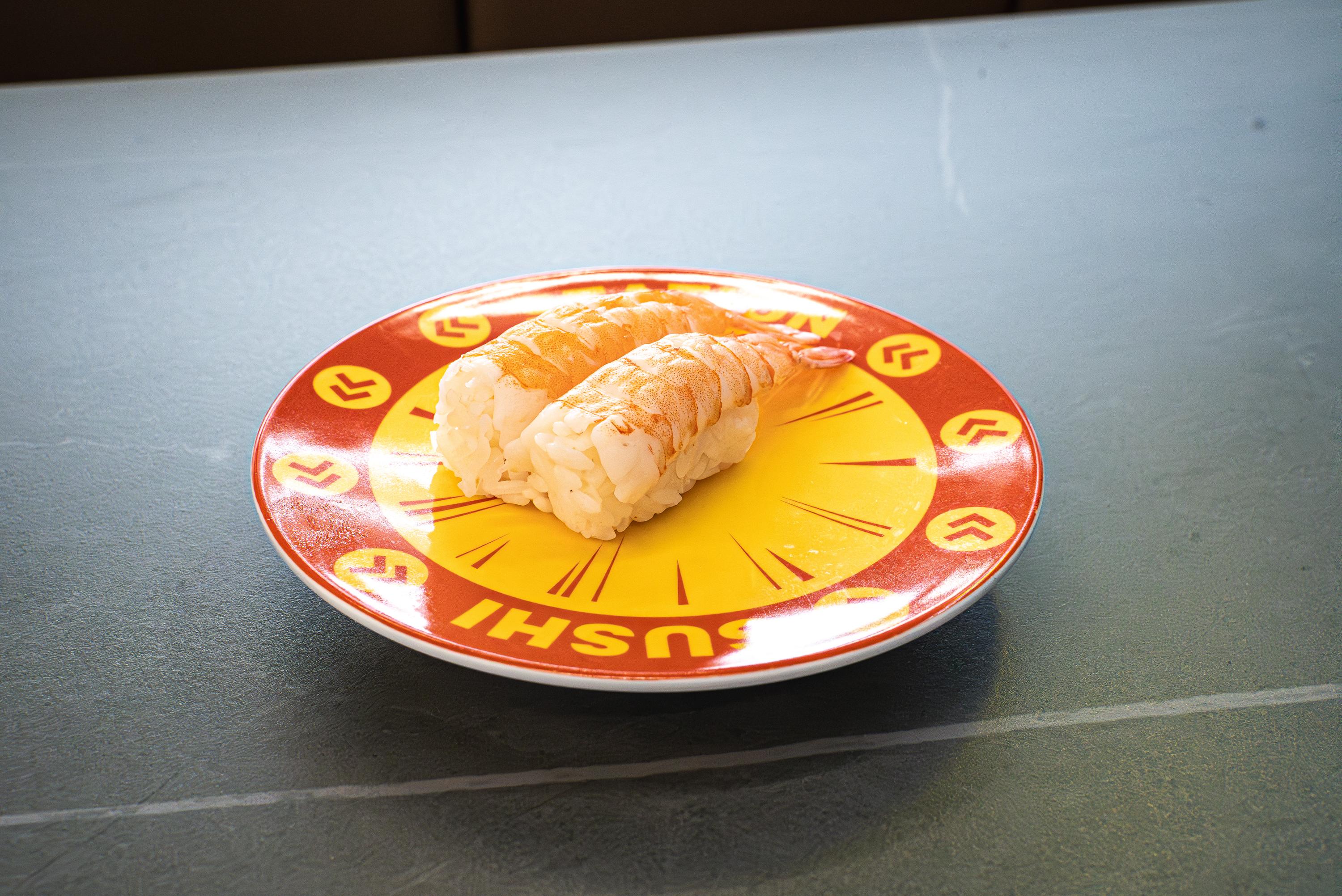
Okay, can we talk about Jumbo Ama Ebi Indiana for a second? Because this might be my favorite thing to order, and I’m not even exaggerating.
Ama ebi is sweet shrimp, and when it’s jumbo sized, you’re in for something special. The texture is creamy and almost melts on your tongue. The flavor is naturally sweet (hence the name), with this delicate brininess that reminds you it came from the ocean.
Here’s a pro tip I learned: when you order Jumbo Ama Ebi Indiana, ask if they’ll fry the heads for you. Some places do this automatically, others will do it if you ask. Those crispy, crunchy shrimp heads are like ocean-flavored potato chips. I know it sounds weird if you’ve never tried it, but trust your friend here!
The best versions I’ve had are so fresh they’re almost translucent, with a slight snap when you bite down before that creamy texture takes over. If your ama ebi is mushy or has an off smell, that’s a red flag about the restaurant’s sourcing.
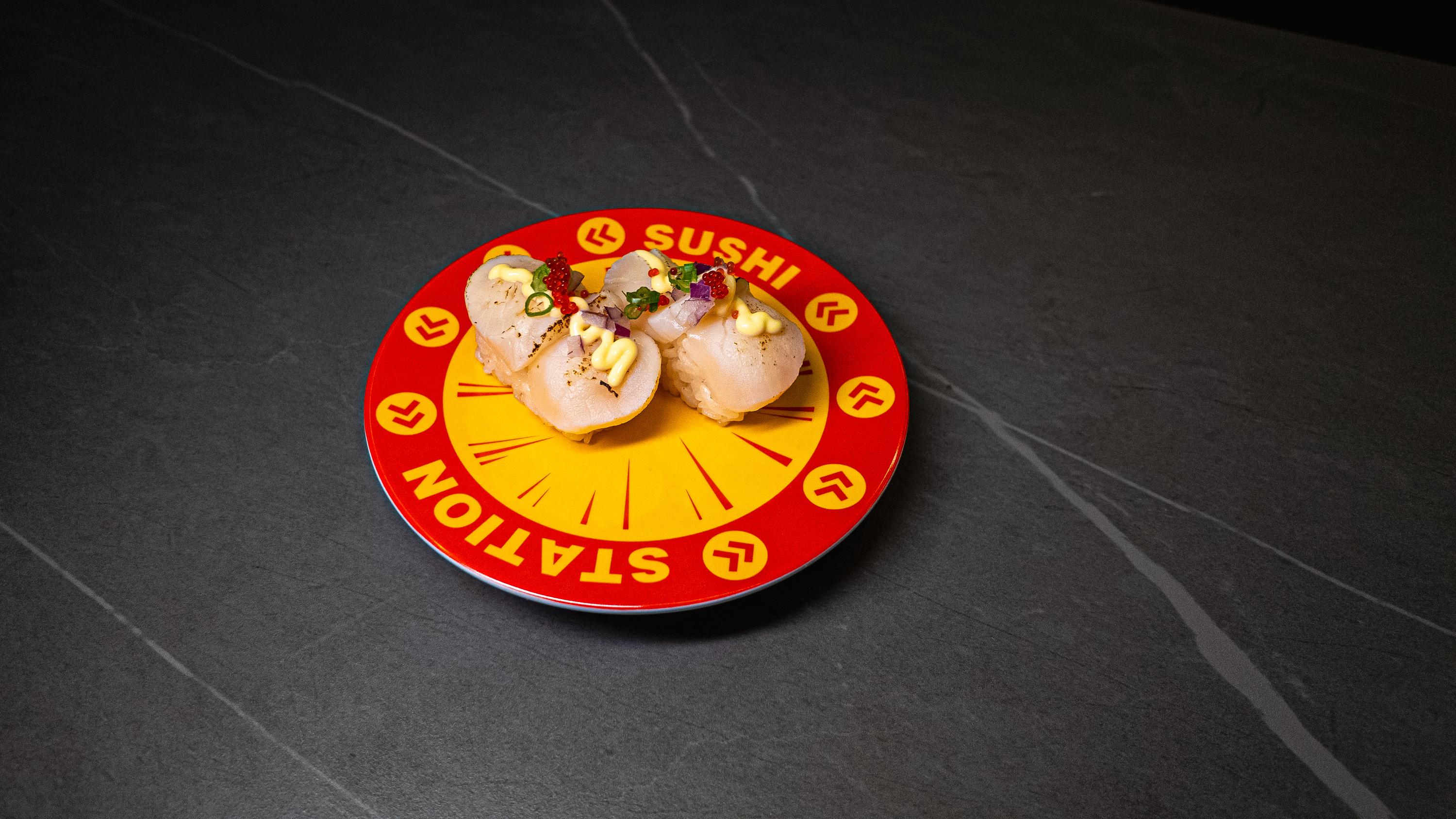
Seared Hotate Scallops: A Textural Dream
Let me tell you about the first time I had Seared Hotate Scallops done right. I’d ordered scallop nigiri before and thought it was fine, you know? Nice but not mind-blowing. Then I went to a place that quickly seared the outside with a torch, and wow. Game changer.
The searing adds this caramelized sweetness to the outside while keeping the inside raw and buttery. You get this amazing contrast in texture and temperature that makes each bite interesting from start to finish.
Good hotate should be plump and sweet, with a texture that’s firm but yielding. When they’re seared properly, you’ll see a golden crust on top, maybe with a sprinkle of sea salt or a tiny dot of yuzu for brightness.
The Seared Hotate Scallops at top-tier spots often come from day-boat scallops, meaning they were caught and processed the same day. You can taste the difference. There’s a sweetness and freshness that frozen scallops just can’t match.
Chu-Toro: The Goldilocks of Tuna
If you’re ready to splurge a little, chu-toro is where it’s at. It’s the belly cut of bluefin tuna, right between the leaner akami and the super fatty o-toro. It’s not too lean, not too fatty. It’s just right.
The fat content in chu-toro gives it this incredible richness without being overwhelming. It literally melts at body temperature, which is why that perfect sushi rice temperature matters so much. You want the fish and rice to kind of meld together as you’re eating.
When you’re looking for premium raw fish Hamilton County restaurants that respect their tuna, ask where they source from and whether it’s been flash-frozen properly (which is actually required by law for safety and, when done right, doesn’t affect quality at all).
Sake (Salmon): More Complex Than You Think
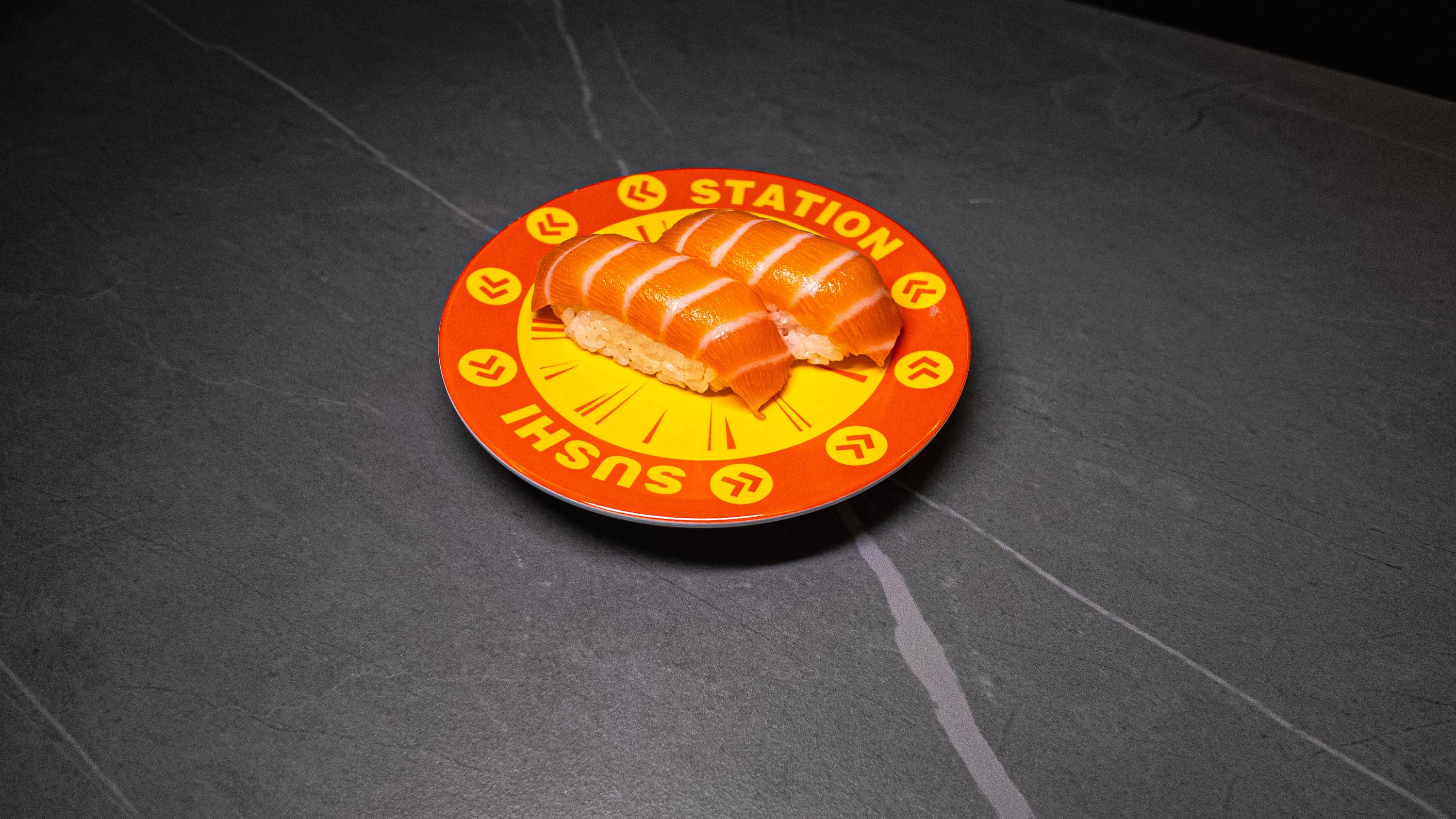
I know, I know. Salmon nigiri seems basic, right? It’s on every menu, even at the grocery store sushi counter. But there’s a massive difference between okay salmon and the good stuff.
Premium salmon nigiri has this gorgeous orange-pink color with visible marbling. The fat content makes it rich and almost creamy. The flavor should be clean and slightly sweet, never fishy or oily in a bad way.
Some places serve Scottish salmon, others go for Norwegian, and you’ll also see Coho or King salmon depending on the season. Each has its own flavor profile. The best nigiri Westfield sushi bars offer will usually tell you what kind of salmon they’re serving, because they’re proud of their sourcing.
Hirame (Halibut): Delicate and Refined
If you want to impress your sushi-loving friends, order the hirame. It’s often overlooked because it’s not as flashy as tuna or as popular as salmon, but it’s absolutely beautiful when done right.
Hirame has this delicate, subtle flavor with a slightly firm, almost crunchy texture. It’s often served with a touch of ponzu, yuzu, or just a sprinkle of salt to bring out its natural sweetness.
This is one of those fish where freshness is everything. When it’s fresh, it’s almost translucent and has a clean, light taste. When it’s not fresh, it gets mushy and flavorless fast.
How to Order Like You Know What You’re Doing
Start with the Omakase Mindset
Even if you’re not ordering a full omakase (chef’s choice) meal, you can adopt the mindset. When you sit down, ask your server or the chef what’s especially good that day. What just came in? What are they excited about?
The folks serving the best nigiri Westfield has to offer are usually thrilled when customers ask these questions. It shows you care about quality and you’re open to trying whatever’s at its peak.
I’ve had some of my best sushi experiences by just saying, “What’s amazing today?” and letting the chef guide me. You might end up trying something you’d never have ordered on your own.
Build Your Order Strategically
Here’s how I like to approach a nigiri order: start light and clean, then move to richer flavors.
I’ll usually begin with something delicate like hirame or tai (sea bream). Then maybe move to Jumbo Ama Ebi Indiana for that sweet, creamy texture. After that, I’ll go for something with more presence like salmon or yellowtail. And if I’m really treating myself, I’ll finish with the rich stuff like chu-toro or Seared Hotate Scallops.
This progression keeps your palate fresh and lets you appreciate each fish’s unique characteristics. If you start with the fattiest, richest fish, everything after tastes bland by comparison.
Don’t Be Shy About Asking Questions
Seriously, ask away! Where’s this fish from? When did it come in? How do you recommend eating it? Should I use soy sauce or is it already seasoned?
Good sushi spots want you to enjoy their food the way it was intended. They’re not going to judge you for asking questions. In fact, they’ll probably appreciate your interest.
I remember being intimidated when I first started getting into nigiri. I didn’t want to look like I didn’t know what I was doing. But you know what? Everyone starts somewhere, and the sushi chefs I’ve met have been nothing but welcoming and eager to share their knowledge.
The Hamilton County Advantage
Access to Quality Sourcing
Living in Hamilton County, we’re lucky to have access to restaurants that prioritize premium raw fish Hamilton County diners have come to expect. We might not be on the coast, but modern shipping and relationships with top suppliers mean we can get incredible fish here.
The best spots have connections with suppliers who specialize in sushi-grade fish. They’re getting deliveries multiple times a week (sometimes daily) to ensure peak freshness. They know which boats to buy from, which farms maintain the best standards, and how to handle everything properly from dock to plate.
A Growing Appreciation for Traditional Sushi
I’ve noticed more and more people around here getting into traditional nigiri and sashimi. It’s not just about the crazy rolls anymore (though those have their place!). People want to taste the fish itself, prepared simply and beautifully.
This growing interest means restaurants are stepping up their game. They’re investing in better fish, training their chefs more thoroughly, and really focusing on the fundamentals of great nigiri.
Making the Most of Your Visit
Sit at the Bar If You Can
When I’m going somewhere for serious nigiri, I always try to snag a seat at the sushi bar. You get to watch the chefs work, which is entertaining in itself. But more than that, you can interact with them directly.
They can tell you about each fish as they’re preparing it. They might offer you something special that’s not on the menu. And honestly, the energy at the bar is just more fun. You’re part of the action instead of watching from afar.
Plus, your nigiri gets to you faster, which matters more than you might think. Nigiri is best enjoyed immediately after it’s made, when the rice is still at the perfect temperature and the fish hasn’t been sitting around.
Pace Yourself
I know it’s tempting to order everything at once, especially when you’re hungry and everything sounds amazing. But with nigiri, it’s better to order in stages.
Get a few pieces to start. Enjoy them. See how you’re feeling. Then order more. This approach keeps everything as fresh as possible and lets you adjust based on what you’re in the mood for as you go.
It also gives you a chance to chat with the chef or your dining companions between rounds. Sushi is meant to be a relaxed, social experience, not a race to the finish line.
Consider Ordering Online for Home Enjoyment
Look, I love dining in, but sometimes you just want to enjoy amazing nigiri in your pajamas at home, you know? Many places now offer online ordering, and the good ones package everything carefully to maintain quality during transport.
When you’re ordering the best nigiri Westfield restaurants offer for takeout, try to time it so you’re eating as soon as possible after pickup. Nigiri doesn’t love sitting around, even in a fridge.
Set up a nice space at home. Maybe pour some sake or green tea. Put your phone away. Even though you’re at home, treat it like the special meal it is.
What to Avoid
The Warning Signs of Mediocre Nigiri
Not every place that serves sushi is serving quality nigiri. Here are some red flags I’ve learned to watch for:
If the fish looks dull or dry, that’s a no. Fresh fish should look moist and vibrant. If the rice is cold or overly sticky, that’s another issue. And if everything on the menu is heavily sauced or topped with crunchy things, they might be hiding inferior fish quality.
Also, if a place has a massive menu with every type of fish under the sun, I get suspicious. The best spots focus on what’s fresh and in season rather than trying to offer everything all the time.
Don’t Drown It in Soy Sauce
I’m going to be real with you here: if you’re dunking your nigiri rice-side-down in a pool of soy sauce, you’re missing the whole point. The chef already seasoned the rice. The fish has its own delicate flavor. You’re there to taste those things, not just soy sauce.
If you want to use soy sauce (and sometimes you should!), dip just a corner of the fish. Or better yet, brush a tiny bit on with the provided brush if they give you one. Some pieces, especially if they’re already glazed with nikiri (sweet soy) or have other seasonings, don’t need any soy sauce at all.
I used to be a soy sauce drowner myself, so I’m not judging. But once I started using less, I realized how much flavor I’d been covering up.
Bringing Friends and Family Along
Converting Sushi Skeptics
Maybe you’re reading this and thinking, “This all sounds great, but my partner/friend/family member won’t even try sushi.” I’ve been there! I’ve converted several sushi skeptics in my time, and here’s what works:
Start them with cooked options. Seared Hotate Scallops are perfect for this because they’re partially cooked. Ebi (cooked shrimp) is another good gateway. Once they see that sushi isn’t scary, they might be more willing to try the raw stuff.
And honestly, some people just don’t like raw fish, and that’s okay! But even they might enjoy the atmosphere and other menu items at a good sushi restaurant.
Making It a Group Thing
Some of my favorite food memories involve sitting around a sushi bar with friends, sharing different pieces and trying each other’s orders. When you’re with a group, you can order more variety and everyone gets to taste everything.
Just make sure everyone’s on the same page about what you’re ordering. You don’t want someone expecting California rolls to be surprised by a piece of raw mackerel!
Seasonal Considerations
Why Season Matters
Here’s something cool I learned: different fish are at their best at different times of year. In Japan, they’re super into this concept of shun, which is like the peak season for each type of seafood.
Salmon is typically best in the fall. Certain types of tuna peak in winter. Uni (sea urchin) has specific seasons depending on where it’s from. The restaurants really committed to serving the best nigiri Westfield has to offer pay attention to these rhythms.
This is another reason to ask what’s good when you visit. The answer might be different in March than it is in September, and that’s a good thing! It means they’re working with what’s at its best rather than just serving the same thing year-round regardless of quality.
The Value Proposition
Is Premium Nigiri Worth the Price?
Let’s talk money for a second. Yes, really good nigiri costs more than a basic sushi roll. A couple pieces of chu-toro might run you what an entire California roll costs. So is it worth it?
From where I’m sitting (usually at a sushi bar with an empty plate in front of me), absolutely yes. You’re paying for the quality of the fish, the skill of the chef, and an eating experience that’s pretty special.
That said, you don’t have to order the most expensive thing on the menu to have a great time. Even the “basic” options like salmon or Jumbo Ama Ebi Indiana, when done well, are absolutely delicious and won’t break the bank.
Think of it this way: you’re not just buying food. You’re buying an experience, supporting skilled craftspeople, and treating yourself to something genuinely special.
Making It a Regular Treat
You probably can’t eat premium nigiri every day (unless you’re doing way better financially than I am!), but making it a regular treat is totally doable. Maybe it’s your monthly date night spot. Maybe it’s where you celebrate good news. Maybe it’s just your Friday wind-down ritual.
When you find a place serving the premium raw fish Hamilton County sushi lovers dream about, it becomes one of those spots you look forward to visiting. It’s not just dinner. It’s a reset button for your week.
Your Next Steps
So here’s what I want you to do: pick a night this week, grab someone you care about (or go solo, that’s cool too!), and go try some seriously good nigiri. Sit at the bar if you can. Order the Jumbo Ama Ebi Indiana. Try the Seared Hotate Scallops. Ask questions. Take your time. Really taste each bite.
And if you’re feeling like staying in, check out online ordering options. Set up a nice space at home and make an evening of it.
The world of premium nigiri is waiting for you, right here in Westfield. The best nigiri Westfield has to offer isn’t just about the fish (though that’s obviously important). It’s about the whole experience: the skill, the care, the tradition, and the pure joy of eating something made with real craftsmanship.
You’re going to love it. And once you’ve had the real deal, there’s no going back to the mediocre stuff. Welcome to the club!