
Most people think eating sushi means piling on wasabi and ginger without a second thought. That’s why many miss the subtle art behind these condiments, ending up overpowering the fish instead of complementing it. If you want to learn how to eat sushi properly and master the correct way to use wasabi and understand why do they serve ginger with sushi, this guide on premium sushi etiquette will reshape your next meal.
The Real Purpose Behind Your Sushi Condiments
You know what? I used to be that person who’d mix a huge glob of wasabi into my soy sauce and munch on pickled ginger between every single bite. Then one day, a sushi chef gently pulled me aside and changed everything I thought I knew about eating sushi. It was like someone finally turned on the lights in a room I’d been stumbling through in the dark!
The truth is, those little side dishes on your plate aren’t just random additions. They’re carefully chosen elements that play specific roles in your dining experience. When you understand how to eat sushi properly, you’ll taste flavors you never knew existed in that beautiful piece of fish sitting in front of you.
Why Wasabi Isn’t a Mixing Ingredient
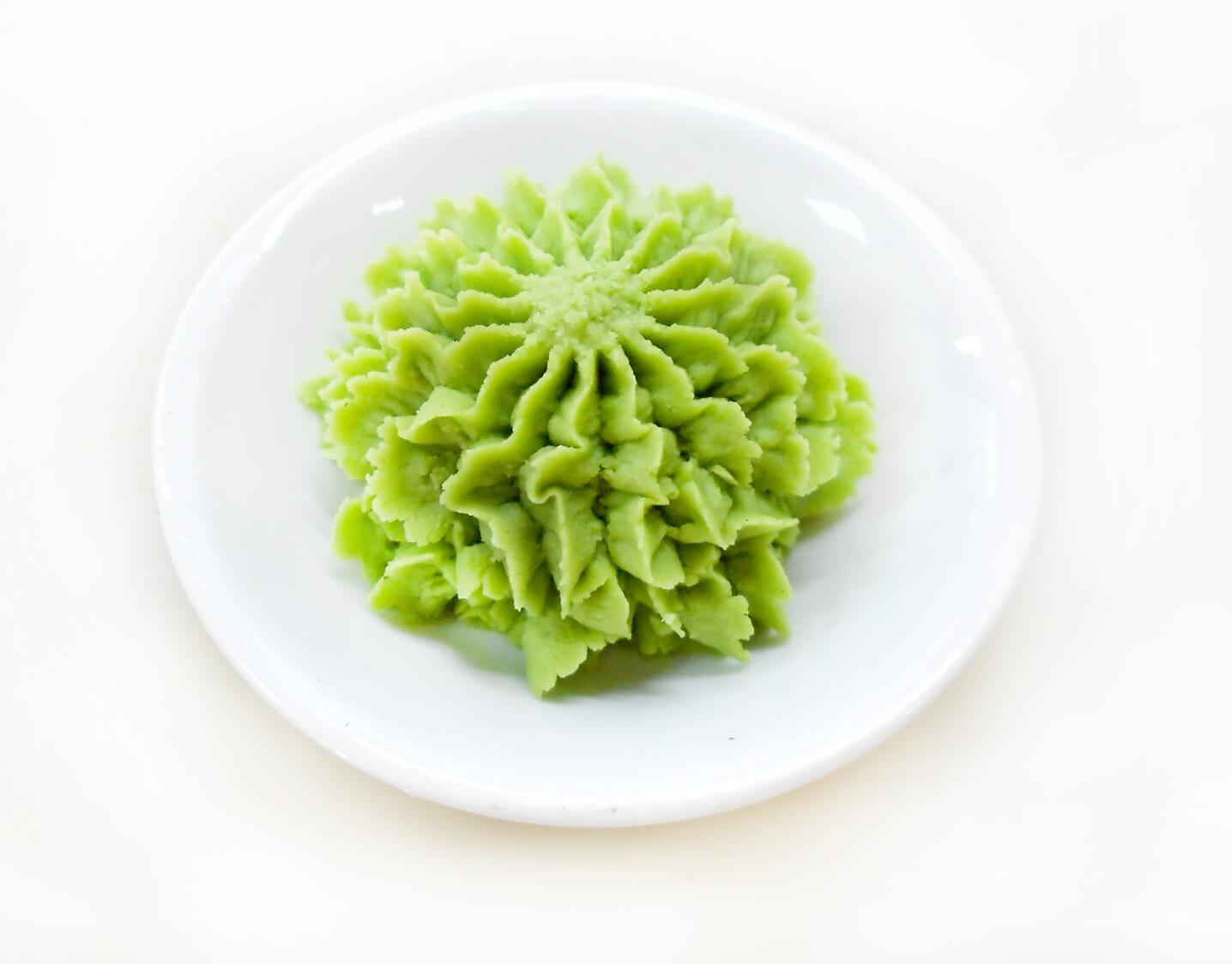
Let’s talk about wasabi first because this is where most of us get it wrong (myself included, for way too many years). That bright green paste isn’t meant to be stirred into your soy sauce like some kind of spicy soup. I know, I know! It seems like the natural thing to do, right?
Here’s the thing about the correct way to use wasabi: it’s actually supposed to go directly on the fish, and in most cases, your sushi chef has already added the perfect amount. Real wasabi (not the horseradish mixture you often get) has this amazing, clean heat that enhances the fish’s natural flavors without covering them up. It’s like turning up the volume on a song you love, not changing the station entirely.
When you’re at a premium sushi restaurant, the chef knows exactly how much wasabi each type of fish needs. Fatty tuna? A bit more. Delicate white fish? Just a whisper. They’ve spent years perfecting this balance, so trust their judgment!
The Ginger Game Changer
Now, let’s get into the real star of this show: pickled ginger, or as the pros call it, “gari.” This is where understanding why do they serve ginger with sushi becomes a total game changer for your taste buds.
The Perfect Reset Button
Think of pickled ginger as a reset button for your mouth. It’s not a topping (please don’t put it on your sushi!), and it’s not something to constantly snack on throughout your meal. Instead, it’s your palate’s best friend between different types of fish.
Here’s how it works: you’ve just finished a piece of rich, buttery salmon. Amazing, right? But now you’re about to try some light, sweet scallop. If you go straight from one to the other, you’ll still taste that salmon, and it’ll interfere with the delicate scallop flavor. That’s where the ginger comes in!
A small piece of pickled ginger cleanses your palate, literally washing away the oils and flavors from the previous bite. It’s like giving your taste buds a fresh start. The slight sweetness and acidity cut through any lingering richness, preparing you to fully appreciate what’s coming next.
When to Reach for the Ginger
I’ve learned through trial and error (and some friendly guidance from sushi chefs who’ve become my trusted advisors over the years) that timing is everything with ginger. You want to eat a small piece between different types of fish, especially when you’re moving from something rich to something light, or vice versa.
But here’s a pro tip: don’t go overboard! One or two thin slices between courses is plenty. If you’re eating too much ginger, you’re actually defeating its purpose. Your palate gets overwhelmed by the ginger itself, and then you can’t taste the subtle differences in your sushi. It’s all about balance, friends!
Premium Sushi Etiquette That’ll Impress Everyone
Alright, so now that we’ve covered the basics of wasabi and ginger, let’s talk about the bigger picture of premium sushi etiquette. These aren’t stuffy rules meant to make you feel uncomfortable. They’re guidelines that help you get the most enjoyment out of your meal while showing respect for the chef’s craft.
The Order Matters
Did you know there’s actually a recommended order for eating sushi? I didn’t for the longest time! Generally, you want to start with lighter, more delicate fish and work your way up to richer, fattier options. This is because those intense flavors from fatty tuna or mackerel can overpower your palate early on.
Your sushi chef often arranges omakase (chef’s choice) meals in this progression for a reason. They’re taking you on a carefully planned flavor adventure! When you follow this path and use your ginger correctly between courses, each piece tastes exactly as it should.
Hands or Chopsticks? Both Work!
Here’s something that surprises a lot of people: it’s totally acceptable to eat sushi with your hands! In fact, traditionally, that’s how it was done. Nigiri (that’s the fish draped over rice) can be picked up with your fingers, turned upside down, and dipped fish-side into a small amount of soy sauce.
Why upside down? Because you want the soy sauce on the fish, not soaking into the rice. Rice that’s too wet falls apart and becomes mushy. Plus, when the soy sauce hits the fish directly, you get a better flavor combination. This is a key part of how to eat sushi properly that really makes a difference!
If you prefer chopsticks, that’s fine too! Just be gentle with your grip so you don’t squish the rice. And same rule applies: flip it over so the fish gets the soy sauce kiss, not the rice.
Common Mistakes That Are Holding You Back
Let me share some mistakes I’ve made (and seen others make) that really take away from the sushi experience. I’m not trying to call anyone out here! I just want to help you avoid the facepalm moments I’ve had.
The Wasabi-Soy Sauce Soup
We’ve touched on this, but it bears repeating because it’s such a common habit. Mixing wasabi into your soy sauce creates this murky mixture that coats everything equally. You lose the nuanced heat of the wasabi and end up with sushi that all tastes pretty much the same.
The correct way to use wasabi is to either let the chef handle it (they’ve usually already put some between the fish and rice), or if you want more, place a tiny dab directly on the fish. Then, dip just the fish side lightly in soy sauce. You’ll be amazed at how much more you can taste!
Ginger as a Garnish
I’ve seen people put pickled ginger right on top of their sushi like it’s a garnish or topping. I get it! It looks pretty, and it seems like everything on the plate should go together, right? But this actually masks the fish’s flavor instead of preparing your palate for it.
Remember, understanding why do they serve ginger with sushi is all about that palate-cleansing function. Save it for between bites, and you’ll notice how much more distinct each piece of fish tastes.
Drowning Your Sushi
Whether it’s too much soy sauce, too much wasabi, or both, drowning your sushi is like putting ketchup on a perfectly cooked steak. The chef has carefully selected the fish, examined its fat content, considered its texture, and prepared it to highlight its best qualities. When you overdo the condiments, all that care goes to waste.
A light touch is always better. You can always add more, but you can’t take it away once it’s on there!
Making These Habits Stick
So how do you actually remember all this when you’re sitting at the sushi bar with friends, excited about your meal? Here’s what worked for me: I started small. I picked one thing to focus on each time I went out for sushi.
Start with the Ginger
On your next sushi outing, just focus on using the ginger correctly. Forget about everything else for now. Eat a small piece between different types of fish and pay attention to how it affects your tasting experience. You’ll probably notice that the second piece of sushi tastes cleaner and clearer than it used to.
Then Tackle the Wasabi
Once the ginger habit feels natural, work on the wasabi technique. Try a meal where you don’t mix it into your soy sauce at all. See how the fish tastes when you let the chef’s wasabi application do its job, or when you add just a tiny bit directly to the fish.
Practice the Dipping Technique
Finally, work on that upside-down dip. It feels weird at first, I won’t lie! But after a few pieces, it becomes second nature. And the difference in taste and texture is really noticeable.
Why This All Matters for Your Next Visit
Look, I’m not saying you have to follow every rule perfectly to enjoy sushi. But when you understand how to eat sushi properly and why these guidelines exist, you get so much more out of your meal. It’s like watching a movie in HD versus standard definition. Same movie, but way better experience!
The chefs at quality sushi restaurants spend years learning their craft. They source the best fish, prepare it with precision, and serve it at the exact right temperature. When you use premium sushi etiquette, you’re not just following rules. You’re participating in a tradition that brings out the best in what they’ve created for you.
Plus, let’s be honest: it’s pretty cool to know what you’re doing! When you’re out with friends or family and you can explain the correct way to use wasabi or why do they serve ginger with sushi, you become the go-to sushi expert in your group. And who doesn’t want that?
Taking Your Sushi Skills to the Next Level
Ready to put all this into practice? The best way to learn is by doing, and there’s no better place to start than at your favorite sushi spot. Next time you’re craving that fresh, delicious fish (and let’s be real, who isn’t always craving it?), keep these tips in mind.
Order with Confidence
Now that you know about the light-to-rich progression, try ordering an omakase meal if the restaurant offers it. Tell the chef you’re interested in learning more about proper sushi etiquette. Most chefs love when diners show genuine interest! They’ll often take extra time to explain each piece and might even give you additional tips.
If omakase isn’t available or feels too pricey, just order a variety of fish and arrange your own progression. Start with something like snapper or flounder, move to salmon, and finish with tuna or mackerel. Use your ginger between each type and notice how distinctly you can taste each fish.
Bring Friends Along
Everything’s better with friends, right? Share what you’ve learned about how to eat sushi properly with your dining companions. Make it fun, not preachy! You could even make it a little friendly challenge to see who can master the upside-down dip first or who can best describe the flavor differences between fish.
When everyone at the table understands the palate cleanser protocol, the whole meal becomes more engaging. You’ll find yourselves discussing the subtle differences between pieces, comparing notes on flavors, and really savoring each bite instead of just eating quickly.
The Home Sushi Experience
Can’t make it to a restaurant right now? No problem! You can practice these techniques at home too. Many grocery stores now carry decent sushi-grade fish and all the fixings you need. Grab some pickled ginger, real wasabi if you can find it (or the powder to mix yourself), and try your hand at making your own.
Even if you’re buying pre-made sushi from the store, you can still apply these principles. Use the ginger between different pieces, go easy on the wasabi and soy sauce, and really pay attention to what you’re tasting. It’s great practice for when you’re back at your favorite sushi restaurant!
And here’s a fun idea: order takeout from a quality sushi place and have a tasting party at home. You can take your time, refer back to these guidelines, and learn together without feeling rushed or self-conscious. Plus, you can pause between courses to really let that ginger do its palate-cleansing magic.
Your Sushi Adventure Awaits
The beautiful thing about sushi is that there’s always more to learn. Even people who’ve been eating it their whole lives keep finding new flavors, new techniques, and new favorites. By understanding the correct way to use wasabi, knowing why do they serve ginger with sushi, and following basic premium sushi etiquette, you’re setting yourself up for a lifetime of better sushi experiences.
Don’t stress about getting everything perfect on your first try. I still sometimes forget and almost mix wasabi into my soy sauce out of old habit! The point isn’t perfection. It’s about appreciation and getting the most enjoyment out of every piece.
So next time you’re sitting at that sushi bar or opening up a takeout container, remember: small piece of ginger between fish types, wasabi directly on the fish (or trust the chef), light dip of fish-side-only into soy sauce, and take your time to really taste what you’re eating. Your palate will thank you, the chef will appreciate your knowledge, and you’ll wonder why you ever ate sushi any other way.
Ready to put your new skills to the test? Your next amazing sushi meal is just an order away. Whether you’re dining in with family and friends or getting it delivered to enjoy at home, you now have the knowledge to make it the best sushi experience yet. Trust me, once you start eating sushi this way, there’s no going back. And that’s a good thing!
Now get out there and enjoy some incredible fish. Your taste buds are about to go on the ride of their life!
Frequently Asked Questions
Should I mix wasabi into my soy sauce when eating sushi?
No, you shouldn’t mix wasabi into your soy sauce. The correct way to use wasabi is to place a small amount directly on the fish, or better yet, trust that your sushi chef has already added the right amount between the fish and rice. Mixing wasabi into soy sauce creates a murky mixture that coats everything equally and prevents you from tasting the distinct flavors of each piece of fish.
What is the actual purpose of pickled ginger at a sushi meal?
Pickled ginger serves as a palate cleanser between different types of fish. It’s not a topping or garnish for your sushi. When you eat a small piece of ginger between courses, its slight sweetness and acidity wash away the oils and flavors from the previous bite, preparing your taste buds to fully appreciate the next piece of fish. This is especially important when moving from rich fish like salmon to lighter options like snapper.
Is it acceptable to eat sushi with my hands instead of chopsticks?
Yes, eating sushi with your hands is completely acceptable and actually traditional! Nigiri (fish over rice) can be picked up with your fingers, turned upside down, and dipped fish-side into soy sauce. This method often gives you better control and prevents the rice from getting too soggy. If you prefer chopsticks, that’s fine too, just be gentle so you don’t squish the rice and remember to flip the piece over for dipping.
How much soy sauce should I use on my sushi?
Use soy sauce sparingly and only on the fish side, not the rice. Dip just the fish portion lightly into the soy sauce to avoid soaking the rice, which can make it fall apart and become mushy. A light touch allows you to taste both the soy sauce and the natural flavors of the fish. You can always add more if needed, but you can’t remove it once it’s absorbed.
Should I eat my sushi in a specific order?
Yes, there’s a recommended progression that starts with lighter, more delicate fish and moves toward richer, fattier options. This order prevents intense flavors from overpowering your palate early in the meal. Sushi chefs often arrange omakase meals in this progression intentionally, taking you on a carefully planned flavor experience. Using pickled ginger correctly between courses helps maintain this progression and lets you taste each piece as it was meant to be enjoyed.