
Most sushi lovers treat all fish roe the same until they try gunkan sushi. Once you taste the pop of ikura salmon roe and the crisp snap of tobiko, your sushi world shifts. If you’ve ever wondered what is gunkan sushi or how tobiko vs masago sushi really differ, this guide will sharpen your palate and deepen your appreciation, from ikura salmon roe Westfield to flying fish roe Hamilton County.
What is Gunkan Sushi
and Why Should You Care?
You know what? The first time I tried gunkan sushi, I didn’t even know what I was eating. I just knew it looked like a little boat and tasted amazing! That’s exactly what is gunkan sushi, by the way. The name literally means “battleship” or “warship” in Japanese, and once you see it, you’ll totally get why.
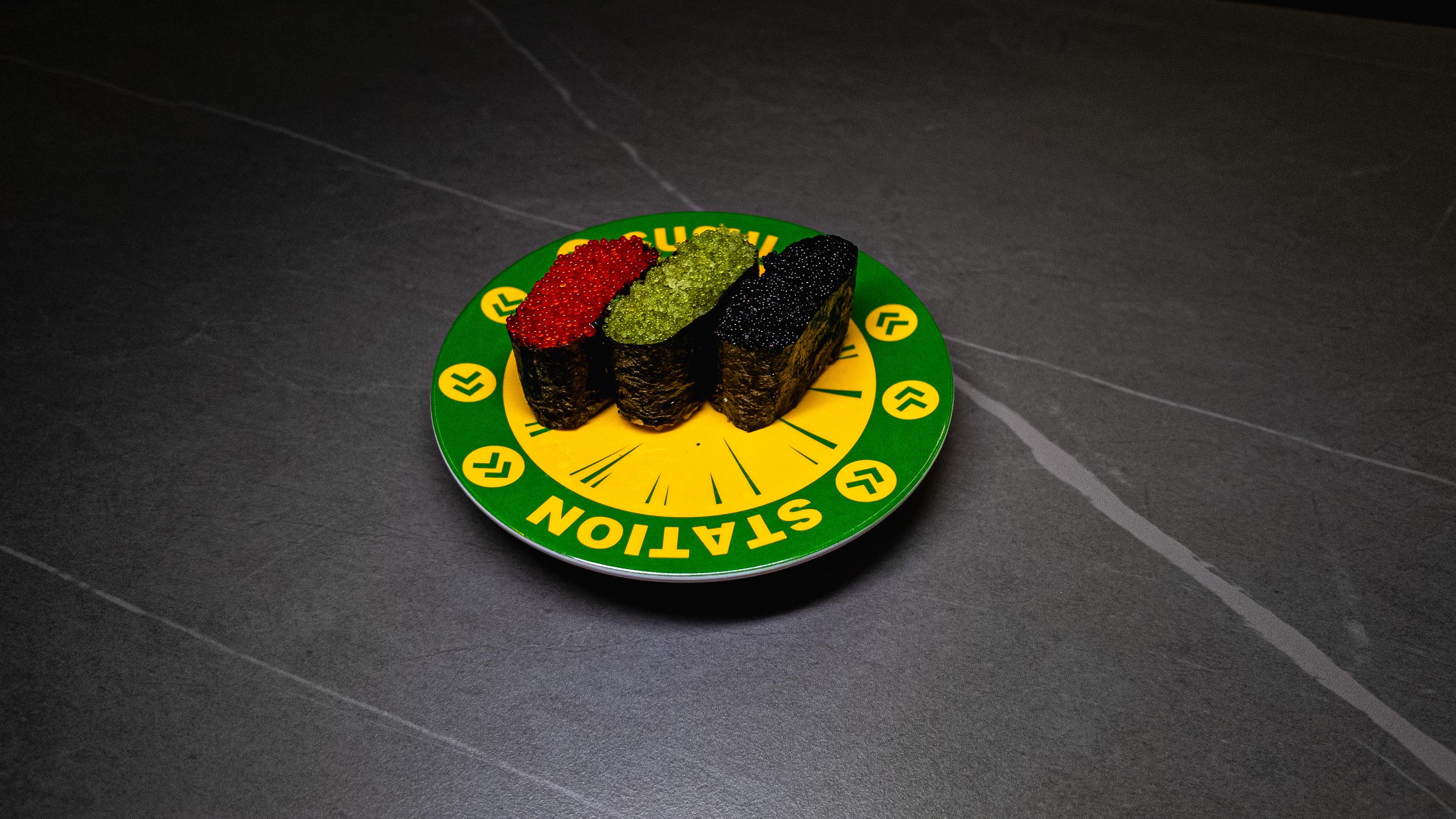
Picture this: a small oval of perfectly seasoned sushi rice wrapped with a strip of nori (seaweed) that creates a little wall around the edges. That wall? It’s there to hold precious cargo, usually fish roe or other toppings that would just slide right off regular nigiri. It’s genius, really!
The beauty of gunkan is that it lets chefs serve delicate, loose ingredients that would be impossible to balance on traditional nigiri. We’re talking about those gorgeous, glistening fish eggs that pop in your mouth and release bursts of oceanic flavor. And trust me, once you understand the differences between ikura and tobiko, you’ll never look at a sushi menu the same way again.
The Star Players: Ikura and Tobiko
Ikura Salmon Roe: The Bold and Beautiful
Let me tell you about ikura. These are the big, bold salmon eggs that look like little orange jewels sitting in their gunkan throne. When you’re searching for ikura salmon roe Westfield or anywhere else, you’re looking for something truly special.
Ikura are HUGE compared to other fish eggs. We’re talking about pearls that are roughly 5mm in diameter. That might not sound like much, but when you compare them to other roe, they’re basically the giants of the fish egg world. Each one is this gorgeous translucent orange color, almost glowing when the light hits it just right.
But here’s where it gets really cool. When you bite into ikura, there’s this moment of resistance, then POP! The membrane breaks and releases this rich, briny liquid that’s intensely flavored. It’s like the ocean decided to package itself into perfect little spheres. The taste is bold, slightly sweet, with that unmistakable salmon richness. Some people describe it as buttery, and I totally get that.
The texture is what really sets ikura apart. It’s juicy, almost creamy when it bursts. You get this satisfying pop followed by a flood of flavor. It’s not subtle at all. Ikura announces itself on your palate and demands your attention!
Tobiko: The Tiny Powerhouse
Now let’s talk about tobiko, which comes from flying fish. Yes, flying fish are real, and yes, their eggs are absolutely delicious! If you’re looking up flying fish roe Hamilton County or checking out local spots, tobiko is what you want to ask about.
Tobiko eggs are tiny, usually less than 1mm in diameter. They’re like little crunchy caviar, way smaller than ikura. The natural color is orange-red, but here’s something fun: chefs often infuse tobiko with different ingredients to create wild colors. You’ll see bright orange (sometimes with chili), black (with squid ink), green (with wasabi), or even gold (with yuzu). It’s like edible confetti!
The texture of tobiko is completely different from ikura. Instead of that big juicy pop, you get this delicate crunch. It’s almost like eating hundreds of tiny, crispy bubbles all at once. The sound is different too. With ikura, you hear distinct pops. With tobiko, it’s more like a gentle crackling sensation.
Flavor wise, tobiko is milder and slightly smoky. It’s got that ocean taste, but it’s more delicate, almost sweet. The crunch adds this textural element that makes every bite interesting without overwhelming the other flavors in your sushi.
Tobiko vs Masago Sushi: Clearing Up the Confusion
Okay, this is where things get tricky for a lot of people. When you’re comparing tobiko vs masago sushi, you’re actually looking at two different fish eggs that seem pretty similar at first glance. But trust me, there are real differences!
Masago comes from capelin, a small fish from the smelt family. The eggs are even tinier than tobiko, and they’re usually a bit paler in color. Here’s the thing: masago is often used as a budget-friendly substitute for tobiko, and honestly? Many people can’t tell the difference if they’re not paying attention.
But once you know what to look for, the differences are clear. Tobiko has a crunchier texture, while masago is a bit softer and mushier. Tobiko tastes slightly sweeter and smokier, while masago is more straightforward and mild. And tobiko has that satisfying crackle that masago just doesn’t quite match.
Price wise, tobiko costs more because flying fish roe is harder to harvest. Masago is the more economical choice, which is why you’ll see it at casual sushi spots or all-you-can-eat places. There’s nothing wrong with masago! It’s tasty in its own right. But if you’re really trying to appreciate the nuances of fish roe, tobiko is worth the extra few dollars.
The Textural Pop: What Makes Each One Special
Let’s get into the nitty gritty of texture because this is where the magic really happens. When you eat gunkan sushi with different roe, you’re getting completely different sensory experiences.
The Ikura Experience
Biting into ikura is like popping bubble wrap, but way more delicious! There’s anticipation as your teeth meet that membrane. You feel the slight resistance. Then BOOM! That satisfying burst releases all that salmon-y goodness. It’s visceral and fun. Some people actually order ikura gunkan just for that popping sensation.
The liquid inside has this silky, almost oily quality (in the best way possible). It coats your mouth and lingers on your palate. You’re not just tasting ikura, you’re feeling it. The experience is rich and luxurious.
Because each egg is so large, you can actually choose to pop them one at a time or go for the whole mouthful. I like to do a mix. Pop a few individually to really savor them, then take a bigger bite with rice to get that perfect balance of textures.
The Tobiko Experience
Tobiko is all about that crunch! When you bite down, it’s like popping hundreds of tiny flavor bombs all at once. The sensation is more delicate than ikura but no less satisfying. It’s crispy, almost like eating flavorful sand (that sounds weird, but in the best way!).
The crunch adds this whole other dimension to your sushi. It plays against the soft, sticky rice and the crisp nori wrapper. Every element has its own texture, and they all work together. It’s like a little symphony in your mouth!
Because the eggs are so small, you get a more uniform texture throughout each bite. There’s no way to eat them one at a time. You’re getting the full tobiko effect with every mouthful, which creates this consistent, pleasant crackle that lasts through the whole piece.
How to Order Like a Pro
Alright, so you’re at a sushi restaurant (or browsing the menu for online orders), and you want to try gunkan sushi with different roe. Here’s how to make sure you get exactly what you want!
First, don’t be shy about asking questions! Any good sushi spot will be happy to explain the difference between their roe options. Ask if they have both ikura and tobiko available. Some places might also have uni (sea urchin) or other special gunkan toppings.
If you’re new to fish roe, I’d suggest starting with tobiko. It’s milder and less intense, which makes it a great introduction. The smaller size and crunchier texture are usually more approachable for first timers. Plus, if your local spot offers flavored tobiko (like wasabi or yuzu), those can be really fun to try!
Once you’re comfortable with tobiko, level up to ikura. The bigger, bolder flavor is something you’ll appreciate more after you understand the basics. And honestly? That first big pop of ikura is a moment you’ll remember!
Here’s a pro tip: order both! Get an ikura gunkan and a tobiko gunkan side by side. Taste them back to back. Notice the differences in size, texture, flavor, and that all important pop factor. It’s like a mini tasting flight, and it’s the best way to really understand what makes each one special.
Pairing Your Gunkan Sushi
What you eat with your gunkan matters! The right combinations can really make those flavors sing.
For ikura, I love pairing it with something light and refreshing. A crisp lager or a sparkling sake works beautifully. The carbonation cuts through that rich, oily texture and cleanses your palate between bites. If you’re not drinking alcohol, try cold green tea or even sparkling water with a squeeze of lemon.
The bold flavor of ikura also pairs well with simpler sushi pieces. Try it alongside cucumber rolls or simple tuna nigiri. You want things that won’t compete with that intense salmon flavor.
Tobiko is more versatile because it’s milder. It actually plays well with spicier rolls or richer fish like fatty tuna. The crunch adds texture to already complex flavor profiles without overwhelming anything. Sake (hot or cold) is a classic pairing, but honestly, tobiko is easygoing enough to work with almost any drink.
Making the Most of Your Roe
Here’s something not everyone knows: the way you eat gunkan sushi actually matters! There’s a right way and a wrong way (okay, maybe not wrong, but definitely less optimal).
First, pick up your gunkan with your fingers or chopsticks. If you’re using chopsticks, grab it gently from the sides where the nori is. You don’t want to squeeze the top and send those precious eggs flying!
Now, here’s the key: turn it upside down before dipping. You want the roe side to lightly touch the soy sauce, not the rice side. The rice will soak up way too much soy sauce and overpower those delicate fish egg flavors. Just a tiny dab is all you need!
Pop the whole thing in your mouth in one bite if you can. Gunkan sushi is designed to be eaten this way. You want to get the combination of rice, nori, and roe all together. That’s where the magic happens!
And please, go easy on the wasabi with roe gunkan. The fish eggs have such delicate, specific flavors that too much wasabi will just blow them away. If your spot offers flavored tobiko with wasabi already in it, you definitely don’t need to add more!
Where to Find the Good Stuff
So you’re ready to try some amazing gunkan sushi. Where do you go? Whether you’re looking for ikura salmon roe Westfield or flying fish roe Hamilton County, here’s what to look for in a quality sushi spot.
Freshness is everything with fish roe. Good ikura should be glossy and translucent, not cloudy or dull. The eggs should be intact, not broken or leaking. If you see a gunkan where all the ikura has already burst, that’s a red flag.
For tobiko, look for eggs that are separate and distinct, not clumped together in a mushy mass. The color should be bright and appealing. If it looks dried out or the colors seem off, pass on it.
A good sushi restaurant will be transparent about where their fish and roe come from. Don’t hesitate to ask! Quality spots are proud of their sourcing and happy to share details.
And here’s a great option: ordering online from a trusted sushi restaurant! Many places now offer delivery or pickup, and you can enjoy restaurant quality gunkan sushi at home. Just make sure to eat it soon after it arrives. Fish roe is best when it’s super fresh!
Fun Facts to Impress Your Friends
Want to sound like a total sushi expert next time you’re out? Drop some of these fun facts!
Ikura gets its name from the Russian word “ikra,” which just means fish roe. Japanese fishermen adopted the term from Russian traders way back when. Cool, right?
Flying fish (the source of tobiko) can actually glide above water for up to 45 seconds! They use their wing-like fins to escape predators. Now that’s one way to avoid becoming someone’s dinner!
The nori wrap on gunkan sushi was invented in the 1940s at a famous Tokyo sushi restaurant. Before that, there wasn’t really a good way to serve loose toppings on sushi. Talk about a game changer!
Ikura is considered a delicacy in many cultures, not just Japanese cuisine. You’ll find salmon roe featured in Russian, Scandinavian, and even some Native Alaskan traditional dishes.
Your Gunkan Adventure Awaits!
Here’s the bottom line: gunkan sushi with fish roe is one of the most fun, texturally interesting things you can eat. Whether you’re team ikura with those bold, juicy pops, or team tobiko with that satisfying crunch, there’s no wrong choice.
The best part? You don’t have to pick sides! Try both. Compare them. Develop your own preferences. Maybe you’ll love the luxury of ikura for special occasions and reach for tobiko when you want something lighter and crunchier. Or maybe you’ll become obsessed with one and order it every single time. That’s the beauty of sushi, there’s always something new to try and appreciate!
So next time you’re placing an online order or sitting at a sushi bar, don’t just stick with your usual rolls. Branch out! Order that gunkan sushi. Experience the pop of ikura or the crackle of tobiko. Your taste buds will thank you, and you’ll have a whole new appreciation for the artistry that goes into every piece of sushi.
And hey, if you’re in the Westfield area craving that ikura salmon roe Westfield experience, or anywhere near Hamilton County looking for quality flying fish roe Hamilton County spots, now you know exactly what to look for! Get out there and start popping (or crunching)!
Trust me, once you really understand what is gunkan sushi and can tell your tobiko vs masago sushi apart, you’ll feel like you’ve leveled up in your sushi knowledge. And that feeling? Almost as satisfying as that perfect pop of fresh ikura!
Happy eating, friends! Your gunkan adventure is waiting!
Frequently Asked Questions
What makes gunkan sushi different from regular nigiri?
Gunkan sushi uses a strip of nori seaweed wrapped around the rice to create walls that hold loose toppings like fish roe. Regular nigiri is just a slice of fish or seafood placed directly on top of rice. The nori wall in gunkan allows chefs to serve ingredients that would slide right off traditional nigiri, making it perfect for ikura, tobiko, and other delicate toppings.
Which is better for beginners, ikura or tobiko?
Tobiko is usually the better choice for first timers because it has a milder flavor and smaller size that’s less intimidating. The gentle crunch is more approachable than the bold, juicy pop of ikura. Once you’re comfortable with tobiko’s texture and ocean taste, you can work your way up to the more intense experience of ikura salmon roe.
Can you really taste the difference between tobiko and masago?
Yes, you can definitely taste the difference when you pay attention! Tobiko has a crunchier texture and slightly sweeter, smokier flavor compared to masago. Masago is softer, mushier, and tastes more straightforward. The textural difference is the biggest giveaway: tobiko gives you that satisfying crackle, while masago is more subdued.
How should I store leftover gunkan sushi with fish roe?
Honestly, gunkan sushi with fish roe is best eaten fresh and doesn’t store well. The roe can break down and lose its signature texture, while the rice gets hard in the refrigerator. If you must save it, eat it within a few hours and keep it tightly wrapped in the fridge. But really, the best approach is to only order what you can finish in one sitting!
Why does tobiko come in different colors?
Natural tobiko is orange-red, but chefs infuse it with different ingredients to create fun colors and subtle flavor variations. Black tobiko gets its color from squid ink, green comes from wasabi, and golden tobiko is mixed with yuzu citrus. The bright orange version often has a touch of chili added. These flavored versions add visual appeal and a gentle twist on the classic flying fish roe taste.