
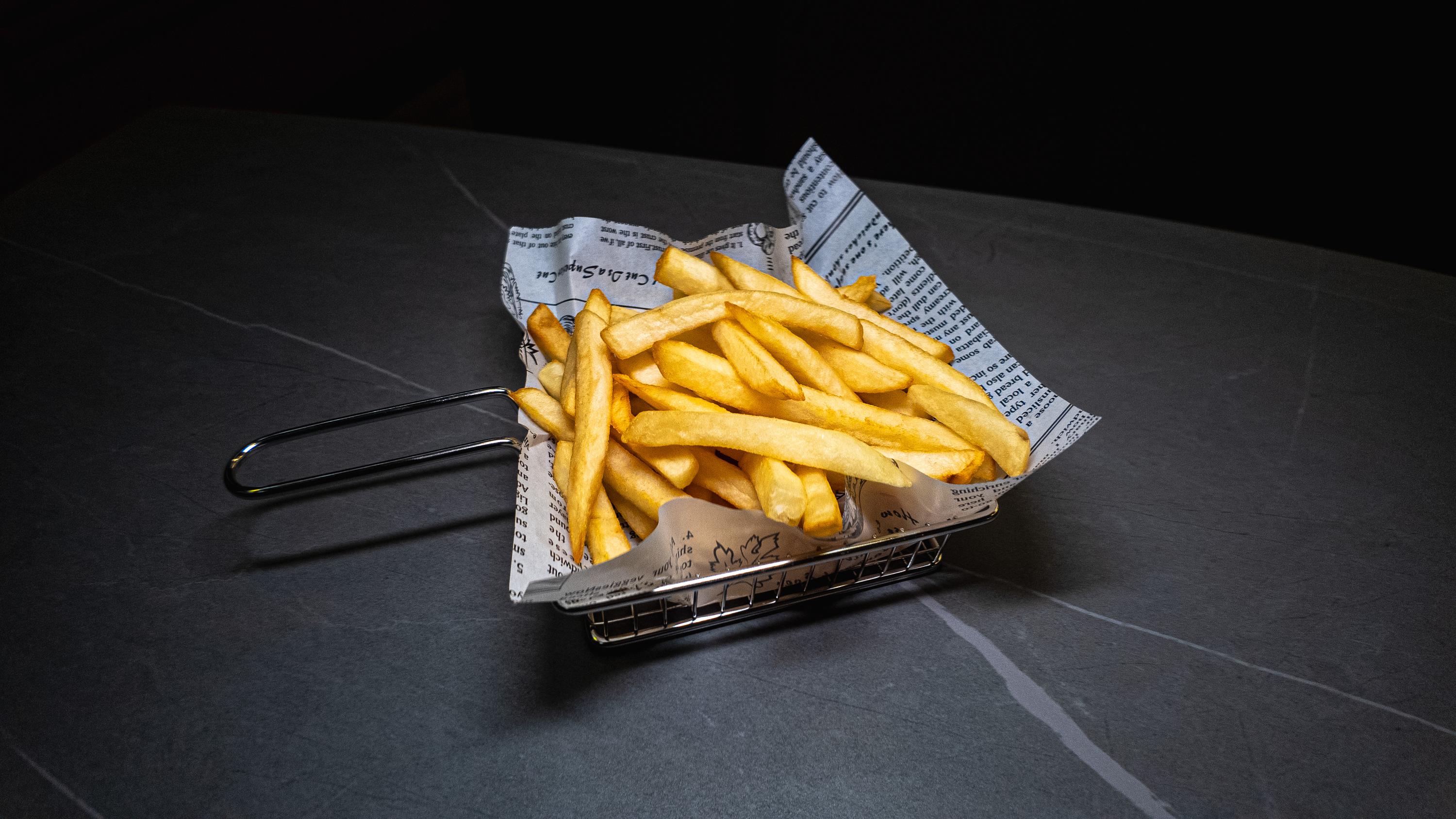
Forget everything you know about Japanese food being just sushi and sashimi. If raw fish isn’t your thing, the crispy world of agemono offers a whole new way to enjoy Japanese comfort food Indiana locals are starting to crave. From crispy tempura shrimp in Hamilton County to the best fried appetizers Westfield IN has to offer, this guide will change how you see Japanese flavors. Ready to find out what is agemono Japanese food and why it’s winning hearts everywhere?
What Is Agemono Japanese Food, Anyway?
Let’s start with the basics! Agemono is the Japanese word for deep-fried foods, and trust me, it’s so much more than your typical fried fare. The word “age” means “to fry,” and “mono” means “thing,” so you’re literally talking about “fried things.” But here’s where it gets interesting: the Japanese have turned frying into an art form.
Unlike heavy, greasy fried foods you might be used to, agemono is all about that perfect light and crispy texture. The secret? It’s in the technique! Japanese chefs use super hot oil and special batters that create this amazing crunch while keeping the inside tender and juicy. You won’t feel weighed down after eating it, which is pretty incredible when you think about it.
When people ask what is agemono japanese food, I always tell them it’s comfort food done right. It’s the stuff you crave on a rainy day or when you want something satisfying without being too heavy. And the best part? There’s something for everyone, whether you’re a seafood lover or prefer veggies.
The Stars of the Agemono Show
Tempura: The Crown Jewel
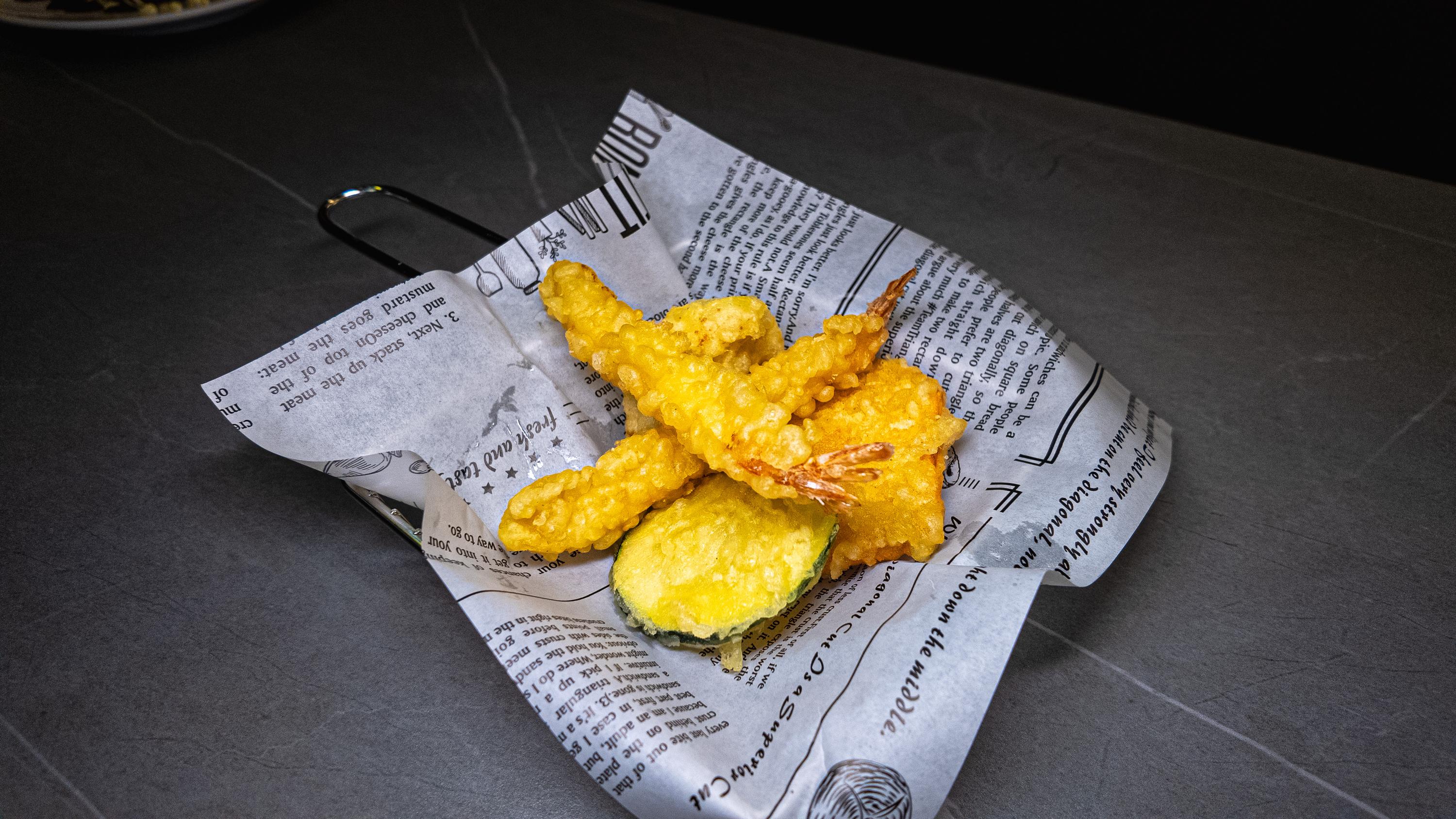
Oh man, where do I even start with tempura? This is probably the most famous type of agemono, and for good reason! Tempura is all about that whisper-thin, super crispy batter that shatters when you bite into it. The batter is made with ice-cold water, flour, and sometimes egg, and it’s mixed just barely. Those little lumps in the batter? They’re actually on purpose! They create that signature lacy, crispy texture.
The best crispy tempura shrimp hamilton county restaurants serve is a total game changer. The shrimp stays perfectly tender inside while the outside gets this golden, crunchy coating. But tempura isn’t just about shrimp! You’ll find vegetables like sweet potato, eggplant, green beans, and even mushrooms getting the tempura treatment. Each bite is like a little celebration in your mouth.
Here’s a pro tip: tempura is usually served with a light dipping sauce called tentsuyu, made from dashi, mirin, and soy sauce. Some places also give you grated daikon radish and ginger to mix in. The combination is absolutely perfect and cuts through any richness from the frying.
Karaage: Japan’s Answer to Fried Chicken
If you love fried chicken, karaage is about to become your new obsession! This is Japanese-style fried chicken, and it’s marinated in a mix of soy sauce, ginger, garlic, and sake before being coated in potato starch or cornstarch and fried until golden and crispy.
The marinade gives the chicken this amazing savory flavor that goes deep into the meat. And that starch coating? It creates these incredibly crunchy edges while keeping the chicken super juicy inside. I’m not exaggerating when I say karaage might be the perfect fried chicken. It’s got more flavor than your typical American fried chicken, and the texture is out of this world.
You’ll often see karaage served with a wedge of lemon and Japanese mayo on the side. That squeeze of citrus brightens everything up, and the creamy mayo adds this rich contrast that’s just chef’s kiss!
Tonkatsu: The Ultimate Pork Cutlet
Tonkatsu is breaded and fried pork cutlet, and it’s serious comfort food territory. A thick cut of pork loin gets coated in panko breadcrumbs and fried until it’s golden brown and crispy on the outside, tender and juicy on the inside.
What makes tonkatsu special is the panko. Japanese breadcrumbs are lighter and flakier than regular breadcrumbs, which creates this amazing airy crunch. The cutlet is usually sliced into strips and served with shredded cabbage, rice, miso soup, and tonkatsu sauce (a sweet and tangy sauce that’s kind of like Worcestershire sauce but thicker and sweeter).
Some places also make chicken katsu using the same technique with chicken breast. Both versions are absolutely delicious and perfect for anyone who wants something hearty and satisfying.
Korokke: Japanese Croquettes
Korokke might look familiar because they’re similar to croquettes you might have had before, but the Japanese version has its own special twist! These are typically made with mashed potatoes mixed with ground meat, onions, and seasonings, shaped into oval patties, breaded with panko, and deep-fried.
The outside is super crispy while the inside is creamy and savory. You’ll find different varieties too, like cream korokke (made with a white sauce base) or pumpkin korokke. They’re often sold at convenience stores in Japan as a quick snack, but when made fresh at a restaurant, they’re absolutely amazing!
Takoyaki: Those Adorable Octopus Balls
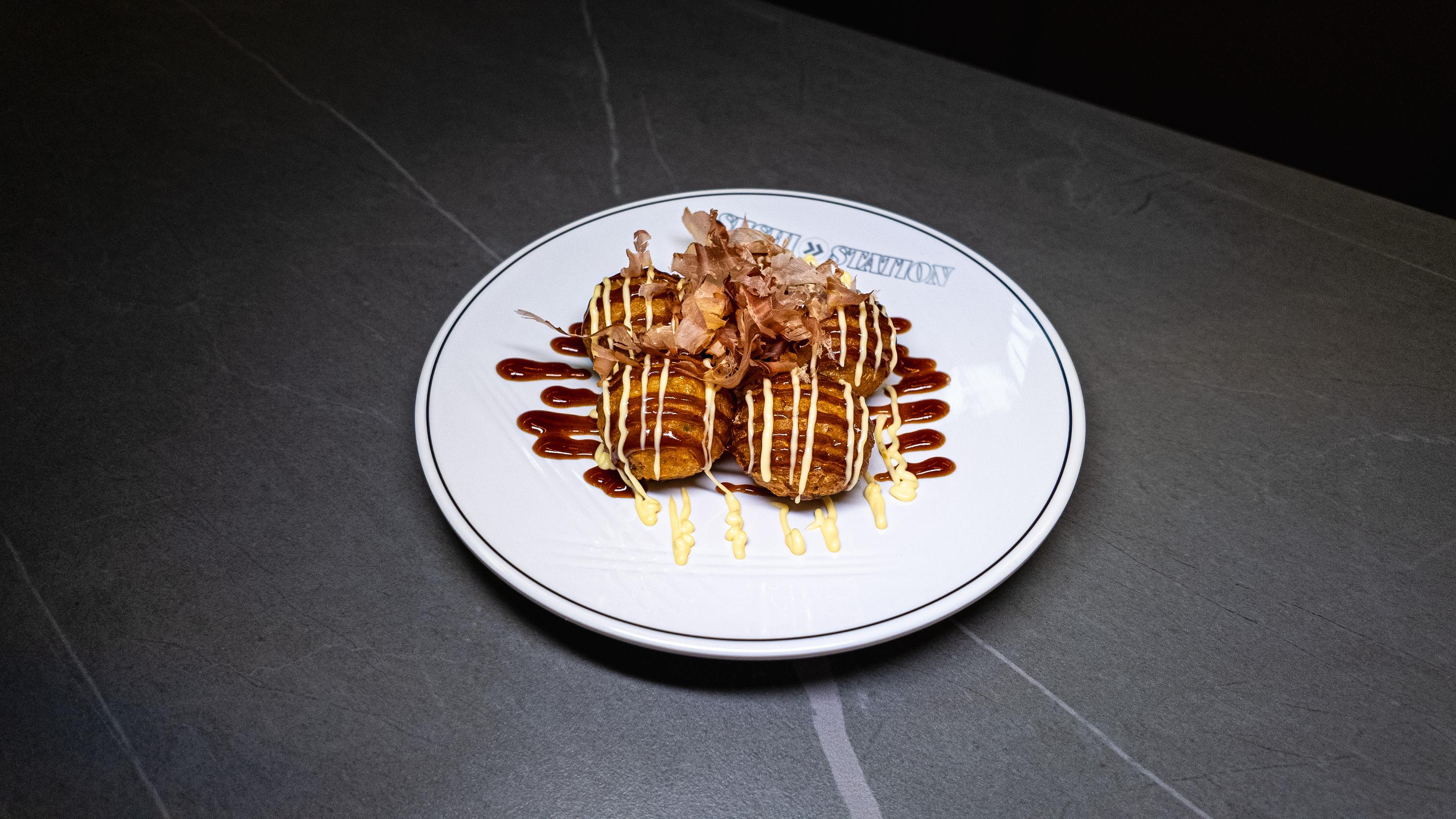
Now we’re getting to one of my personal favorites! If you’re searching for authentic takoyaki near me, you’re in for a treat. Takoyaki are these round, ball-shaped snacks made from a wheat flour batter filled with diced octopus, tempura scraps, pickled ginger, and green onion.
They’re cooked in a special molded pan that creates those perfect spheres, and the outside gets crispy while the inside stays creamy and almost molten. Then they’re topped with takoyaki sauce (similar to tonkatsu sauce), Japanese mayo drizzled in a zigzag pattern, bonito flakes that dance from the heat, and dried seaweed.
Watching takoyaki being made is part of the fun! The chef uses picks to flip and rotate the balls in the pan, and it’s seriously mesmerizing. And eating them? Pure joy! Just be careful with that first bite because they’re hot!
Kushikatsu: Skewered and Fried Perfection
Kushikatsu (also called kushiage) are skewered, breaded, and deep-fried bites of pretty much anything you can imagine. Meat, seafood, vegetables, cheese, you name it! Each piece gets skewered, coated in breadcrumbs, and fried until golden.
The fun part about kushikatsu is the variety. You might get a skewer of beef, then one with asparagus, then one with shrimp, and so on. They’re served with a communal dipping sauce, and there’s an important rule: no double dipping! You dip once, and that’s it. If you want more sauce, you use the provided cabbage leaf to scoop it onto your food.
Why Agemono Is Taking Over Indiana
You know what’s cool? Japanese comfort food indiana restaurants are really catching on to the agemono trend. More and more places are adding these crispy delights to their menus, and people are going crazy for them!
I think it’s because agemono hits that sweet spot between familiar and new. If you love fried food (and let’s be honest, who doesn’t?), agemono gives you that same satisfying crunch and comfort but with flavors and textures that feel fresh and different. It’s not intimidating like some Japanese dishes might seem to newcomers.
Plus, it’s perfect for sharing! Whether you’re out with family or friends, getting a bunch of different agemono items to pass around the table makes for such a fun meal. Everyone gets to try a little bit of everything, and you can figure out your favorites together.
Finding the Best Fried Appetizers Westfield IN Has to Offer
So where can you get your hands on these crispy treats? When you’re looking for the best fried appetizers westfield in restaurants serve, you want to find places that really understand the technique. Good agemono isn’t just about dunking stuff in hot oil. It’s about temperature control, batter consistency, and timing.
Look for Japanese restaurants that make their tempura to order. You want it fresh and hot, not sitting under a heat lamp. The batter should be light and crispy, not thick and doughy. And the oil should be clean, so your food doesn’t taste greasy or have weird flavors.
Don’t be shy about asking questions! Good restaurants will be happy to explain their menu items and help you figure out what to try first. If you’re new to agemono, I’d suggest starting with tempura or karaage since those tend to be crowd-pleasers.
Tips for Ordering Agemono Like a Pro
Here are some insider tips to make your agemono experience even better:
Start with a variety: Order a few different types so you can compare and contrast. A tempura platter with some karaage on the side? Perfect!
Pay attention to timing: Agemono is best eaten hot and fresh. Don’t wait too long after it arrives at your table. That crispy coating is at its peak right when it comes out of the fryer.
Use the sauces wisely: Each type of agemono usually comes with its own specific sauce or condiment. Try it the way it’s meant to be eaten first before adding extra soy sauce or other seasonings.
Balance your meal: Since agemono can be rich, Japanese restaurants usually serve it with shredded cabbage, rice, and pickles to balance things out. Don’t skip those sides! They’re there for a reason.
Share and compare: Eating agemono is more fun when you’re sharing with others. Everyone can try different items and figure out their favorites.
Making the Most of Your Agemono Adventure
If you’re ready to explore the world of Japanese fried foods, there’s never been a better time! The crispy tempura shrimp hamilton county spots are serving up is restaurant-quality stuff, and you don’t have to go far to find it.
One of the best things about agemono is that it’s approachable. You don’t need to know how to use chopsticks (though they work great for tempura!), and you don’t need to understand complicated Japanese terms. It’s just really good food that happens to be fried to perfection.
And here’s something I love: agemono is great for picky eaters or people who are hesitant about trying Japanese food. If someone in your group isn’t into sushi or doesn’t want to try anything too unfamiliar, karaage or tonkatsu is a safe bet that still gives them a taste of Japanese cooking.
Beyond the Restaurant: Agemono at Home
Feeling inspired to try making agemono at home? It’s definitely doable, though I’ll be honest, it takes some practice to get that restaurant-quality crunch. The key is temperature. Your oil needs to be hot enough (usually around 340-350°F for tempura, a bit higher for karaage) but not so hot that the outside burns before the inside cooks.
For tempura batter, remember: lumpy is good! Don’t overmix it, and keep everything cold. Some people even put ice cubes in their batter. And use fresh oil. Old oil that’s been used multiple times will make your food taste off.
That said, sometimes it’s just easier (and more fun!) to order from your favorite spot and let the pros handle it. Plus, then you don’t have to deal with the cleanup!
The Social Side of Agemono
There’s something really special about sharing fried foods with people you care about. Maybe it’s the casual, communal vibe, or maybe it’s just that everyone loves crispy, delicious food. Either way, agemono is perfect for gatherings.
Planning a family dinner? Get a big tempura platter and some karaage. Having friends over? Takoyaki makes for a fun, interactive appetizer. Date night? Tonkatsu with all the fixings feels special without being stuffy.
The beauty of japanese comfort food indiana style is that it brings people together. You’re passing plates, sharing dipping sauces, and everyone’s reaching for just one more piece. It creates this warm, relaxed atmosphere that makes any meal feel like a celebration.
Why You Should Try Agemono Today
Look, I could go on and on about why agemono is amazing, but here’s the bottom line: it’s delicious, it’s fun, and it’s way more accessible than you might think. Whether you’re a longtime fan of Japanese food or someone who’s just starting to explore beyond the usual suspects, agemono has something for you.
The crispy textures, the savory flavors, the way each bite is perfectly balanced, it all adds up to food that just makes you happy. And isn’t that what comfort food is all about?
So next time you’re thinking about where to eat, give agemono a shot. Search for authentic takoyaki near me, check out spots serving the best fried appetizers westfield in has available, or just head to your nearest Japanese restaurant and ask what fried specialties they have. Your taste buds will thank you!
And hey, once you’ve tried a few different types, come back and let me know which one was your favorite. I’m always curious to hear what people think, especially when they’re trying agemono for the first time. The look on someone’s face when they bite into perfectly crispy tempura or their first piece of karaage? That never gets old!
Ready to Get Your Crunch On?
The world of agemono is waiting for you, and trust me, it’s a delicious place to be. From the delicate crispiness of tempura to the juicy satisfaction of karaage, from the hearty comfort of tonkatsu to the playful fun of takoyaki, there’s so much to try and love.
So what are you waiting for? Get out there and start exploring! Your crispy, golden, perfectly fried Japanese comfort food adventure starts now. And who knows? You might just find your new favorite food along the way!
Frequently Asked Questions
What exactly is agemono in Japanese cuisine?
Agemono refers to Japanese deep-fried foods, where “age” means “to fry” and “mono” means “thing.” It includes popular dishes like tempura, karaage, tonkatsu, and takoyaki. The technique focuses on creating a light, crispy exterior while keeping the inside tender and not greasy, using high-temperature oil and special batters or coatings.
Is agemono healthier than regular fried food?
While all fried food should be enjoyed in moderation, agemono tends to be lighter than typical Western fried foods. The high frying temperature and thin batters (especially in tempura) mean less oil is absorbed into the food. Japanese restaurants also serve agemono with fresh vegetables, rice, and pickles to create a more balanced meal.
What’s the difference between tempura and regular fried food?
Tempura uses an ice-cold batter made with minimal mixing, creating a light, lacy, crispy coating that’s much thinner than typical fried food batter. The batter is intentionally left lumpy, and the frying temperature is carefully controlled to create that signature delicate crunch. Regular fried foods usually have thicker, denser coatings.
Can I find good agemono options if I don’t eat seafood?
Absolutely! While tempura shrimp is popular, agemono includes plenty of non-seafood options. Karaage (fried chicken), tonkatsu (pork cutlet), chicken katsu, vegetable tempura, korokke (potato croquettes), and kushikatsu (fried skewers with various ingredients) all offer delicious alternatives. Many Japanese restaurants have extensive agemono menus with something for everyone.
What should I order if I’m trying agemono for the first time?
Start with karaage (Japanese fried chicken) or a mixed tempura platter. Both are approachable, familiar enough to feel comfortable, but different enough to give you a real taste of Japanese cooking. Karaage has amazing flavor from its marinade, while tempura shows off that signature light, crispy texture. Either one makes a perfect introduction to the world of agemono.