
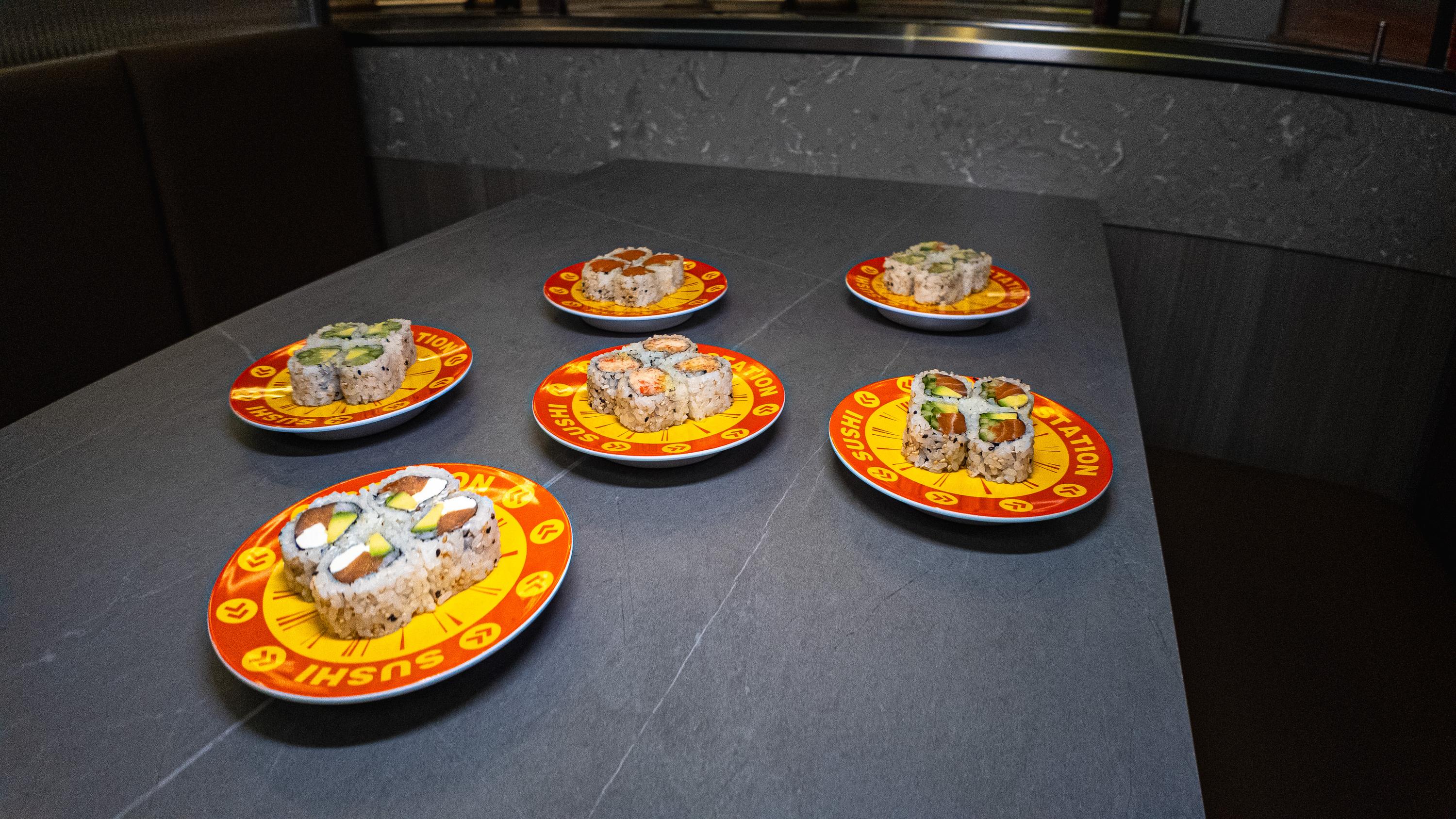
Sushi menus can feel like a secret code, with words like nigiri, sashimi, and maki thrown around. If you’ve ever stared at the sushi station wondering what sets these apart, you’re not alone. This beginner guide to sushi types breaks down the difference between nigiri and maki, explains what is sake nigiri, and gets those sushi terms explained so you can order with confidence. Ready to make sense of your next sushi visit?
What Makes Sushi, Well, Sushi?
Before we get into the nitty-gritty of each type, let’s talk about what actually makes sushi “sushi.” Here’s the thing that surprises most people: it’s all about the rice! Yep, you read that right. Sushi refers to the specially seasoned rice that’s mixed with rice vinegar, sugar, and salt. The fish and other toppings? They’re amazing, but the rice is the real star of the show.
I remember my first time at a sushi restaurant, confidently ordering “sushi” and expecting just raw fish. Boy, was I confused when everything came with rice! But that’s what makes sushi so special. The rice is carefully prepared, cooled to the perfect temperature, and seasoned just right to complement whatever’s sitting on top of it or rolled inside.
Sashimi: The Simplest Start
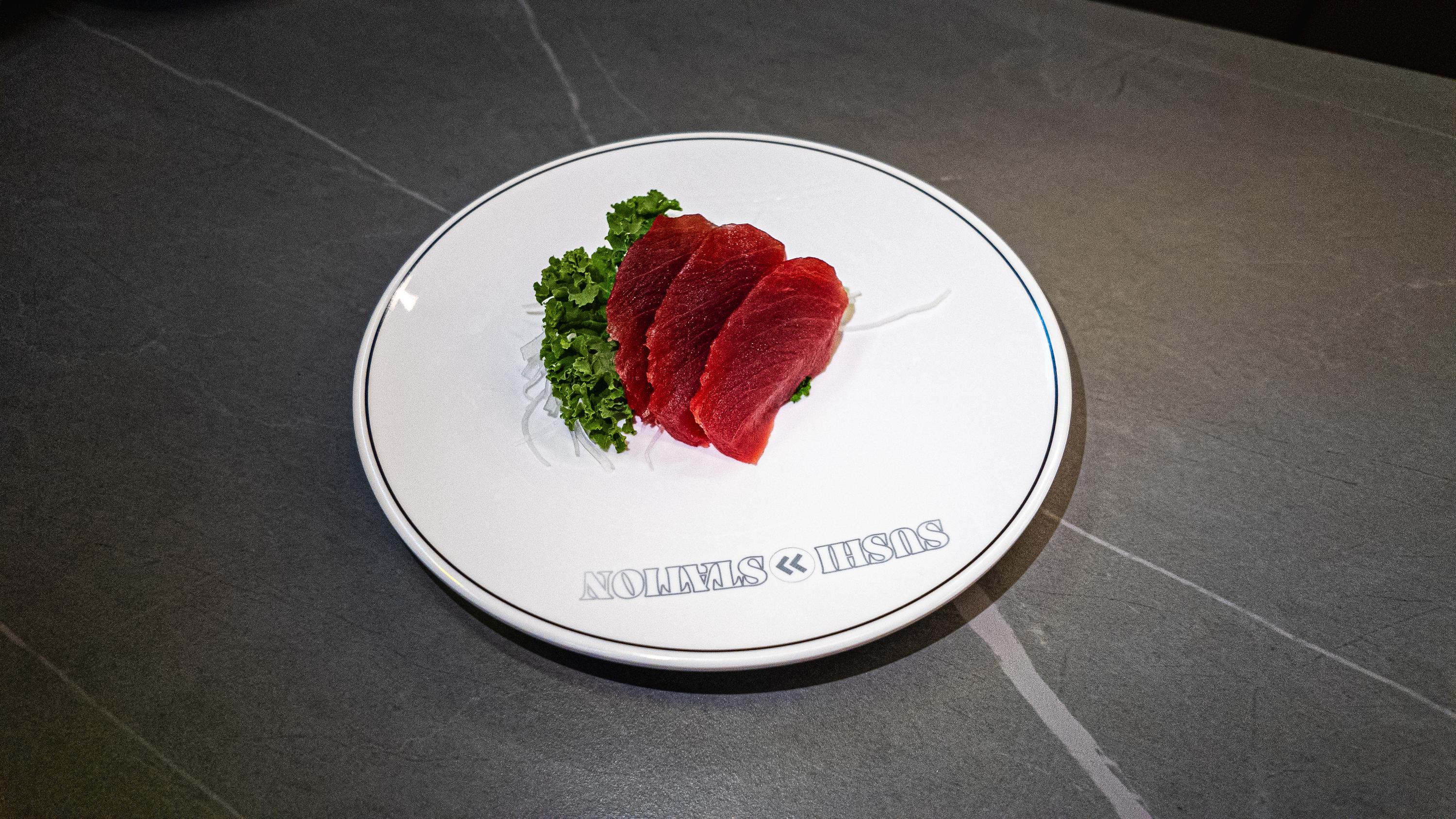
Let’s kick things off with sashimi, which is actually the easiest to understand. Here’s your first big reveal: sashimi isn’t technically sushi at all! Nope, there’s no rice involved. Sashimi is simply sliced raw fish or seafood served on its own, usually with some soy sauce, wasabi, and maybe a garnish or two.
Why Order Sashimi?
If you’re really into the pure, clean taste of fresh fish, sashimi is your best friend. There’s nothing to distract from the quality of the seafood. You’ll get to taste the buttery richness of salmon, the delicate sweetness of tuna, or the unique flavor of yellowtail without any other ingredients getting in the way.
When you’re checking out our menu online, you’ll see sashimi listed separately from the sushi options. It’s perfect if you’re watching your carbs or just want to focus on the fish itself. Plus, it’s a great way to test the quality of a sushi restaurant!
Nigiri: The Classic Hand-Pressed Sushi
Now we’re getting to the good stuff! Nigiri is what most people picture when they think of sushi. It’s a small mound of that perfectly seasoned sushi rice with a slice of fish or seafood draped over the top. Sometimes there’s a tiny dab of wasabi between the fish and rice, and occasionally you’ll see a thin strip of nori (seaweed) wrapped around the middle to hold everything together.
What Is Sake Nigiri?
Let me clear up something that trips up tons of beginners: what is sake nigiri? No, it’s not sushi soaked in Japanese rice wine (though that would be interesting!). In Japanese, “sake” means salmon. So sake nigiri is simply that beautiful piece of salmon sitting on top of a rice mound. It’s one of the most popular types of nigiri, and for good reason. The rich, slightly fatty salmon pairs perfectly with the tangy sushi rice.
When you’re ordering for the first time, sake nigiri is a super safe bet. It’s not too fishy, the texture is smooth and appealing, and most people find it really approachable. I always recommend it to friends who are just starting their sushi adventure!
Other Popular Nigiri Types
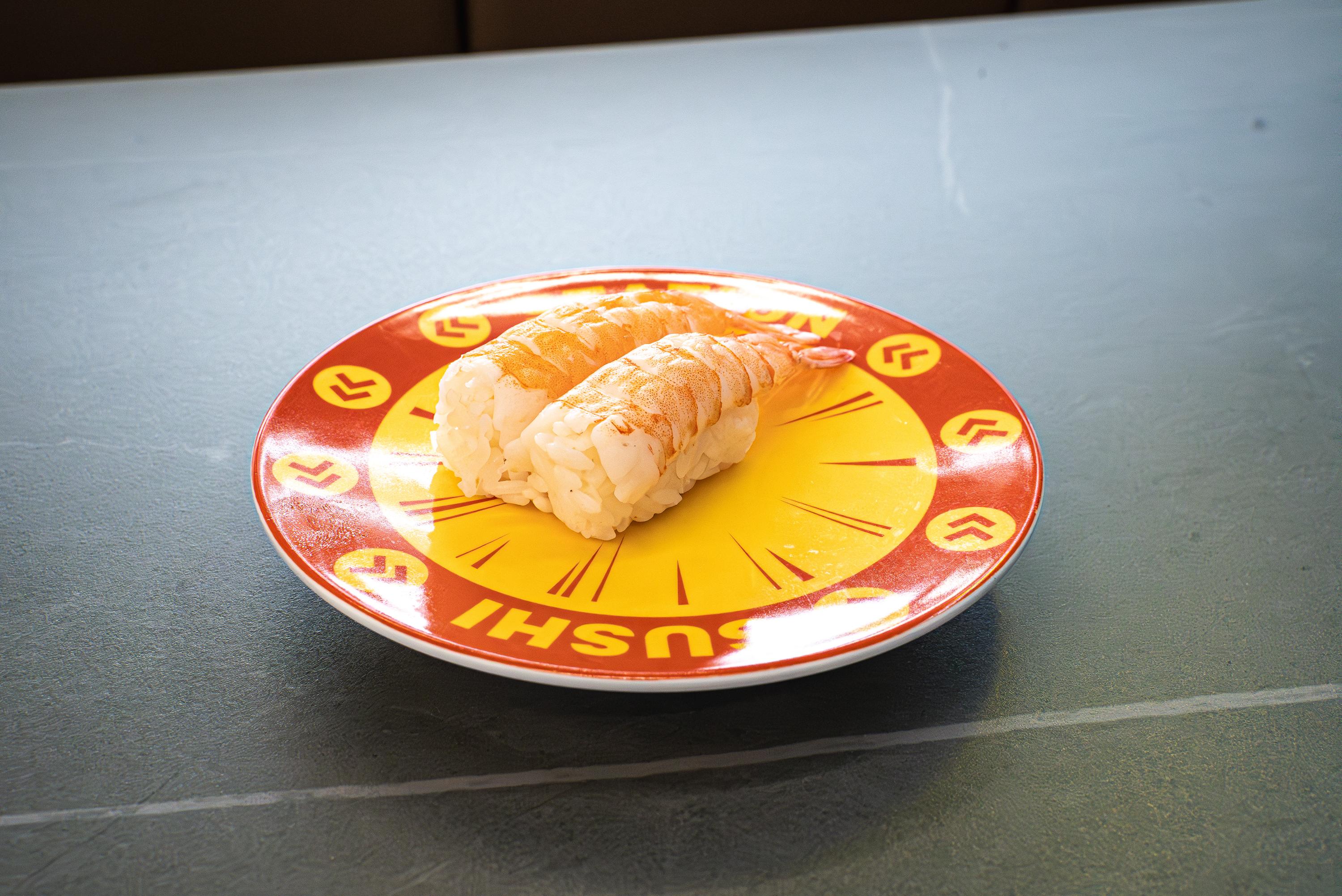
Once you’ve got sushi terms explained, you’ll want to branch out and try different types of nigiri. Here are some favorites:
Maguro (Tuna): This is your classic red tuna. It’s got a clean, mild flavor that’s not too intense.
Ebi (Shrimp): Usually cooked and served with the tail still on. Sweet and firm, it’s great if you’re not ready for raw fish yet.
Unagi (Eel): This one’s always cooked and brushed with a sweet, savory sauce. It’s rich and delicious!
Tamago (Egg): A sweet Japanese omelet that’s perfect if you’re dining with kids or anyone who’s not into seafood.
The beauty of nigiri is that you can try a bunch of different types without committing to a whole roll. Order a few pieces of different varieties and find your favorites!
Maki: Rolling Into New Territory
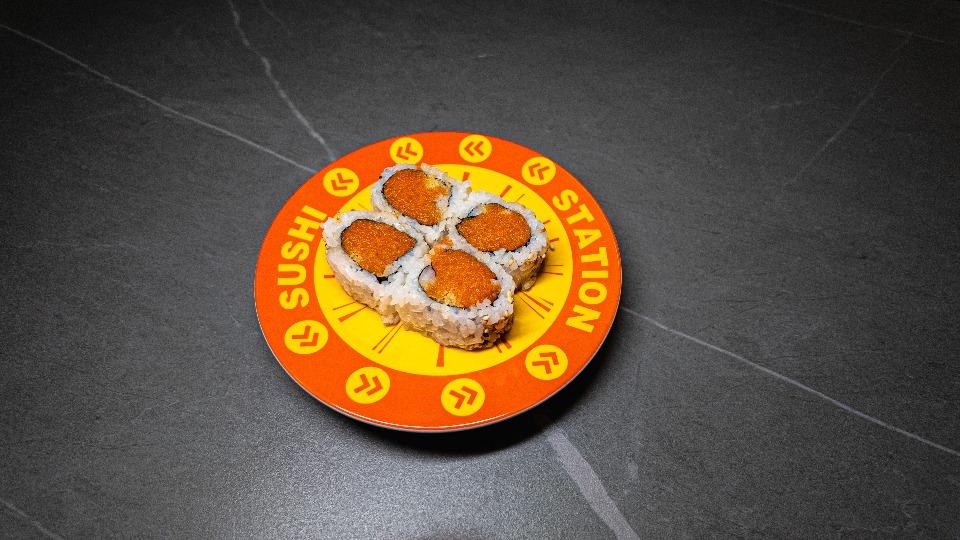
Alright, here’s where things get fun and a little more complex. Maki means “roll” in Japanese, and these are the cylindrical pieces you’re probably most familiar with. The rice and fillings are rolled up in seaweed (nori), then sliced into bite-sized pieces.
The Difference Between Nigiri and Maki
This is huge for beginners, so pay attention! The difference between nigiri and maki comes down to presentation and composition. Nigiri is that hand-pressed rice with fish on top (simple, elegant, straightforward). Maki is rolled up with the ingredients inside, wrapped in seaweed, and cut into pieces.
Think of it this way: nigiri shows off the fish, while maki combines multiple ingredients into one delicious bite. Nigiri is like a solo performance, and maki is like a band where all the flavors play together!
Types of Maki Rolls
Not all maki rolls are created equal! There are actually several different styles:
Hosomaki: These are thin rolls with just one ingredient inside, like a cucumber roll or tuna roll. They’re usually about six pieces and pretty straightforward.
Futomaki: These are the thick rolls with multiple ingredients. They’re bigger, more filling, and often include vegetables along with fish.
Uramaki: Here’s where American sushi restaurants really shine! These are inside-out rolls where the rice is on the outside and the nori is on the inside. California rolls and spicy tuna rolls are usually made this way. They’re often topped with sesame seeds, fish roe, or other garnishes.
Temaki: These are hand rolls, shaped like ice cream cones! The nori forms a cone shape filled with rice and ingredients. You eat these with your hands, and they’re super fun for a casual meal.
Building Your Sushi Order
Now that you’ve got the basics of this beginner guide to sushi types down, let’s talk strategy for your next order! Whether you’re dining in or placing an online order for pickup, here’s how to build a great sushi meal.
Start with What You Know
Don’t feel pressured to go all-in on the most adventurous options right away. Start with cooked options like shrimp tempura rolls or California rolls. These give you the sushi experience without the raw fish if you’re not quite ready for that.
Mix and Match
Here’s my favorite approach: order a combination! Get a few pieces of nigiri to taste the pure fish flavors, add a simple roll or two, and maybe throw in some sashimi if you’re feeling brave. This way, you’re getting the full experience and figuring out what you like best.
For a group or family dinner, this approach is perfect. Everyone can try a little bit of everything, and you’re not stuck with a huge order of something you might not love.
Don’t Forget the Sides
Sushi comes with some traditional accompaniments that really complete the meal:
Soy Sauce: For dipping! But go easy, you don’t want to drown your sushi.
Wasabi: That green paste packs serious heat. Mix a tiny bit into your soy sauce or dab it directly on your sushi.
Pickled Ginger: This is your palate cleanser between different types of sushi. It’s not meant to be piled on top of your roll!
Miso Soup: A warm, savory soup that’s perfect alongside cold sushi.
Edamame: Steamed soybeans that make a great appetizer while you’re waiting for your sushi.
Sushi Etiquette (Don’t Stress About It!)
Look, I’m going to be real with you: sushi etiquette can seem intimidating, but most restaurants in the U.S. are super casual and welcoming. That said, here are a few tips that’ll make you look like you know what you’re doing:
To Chopsticks or Not to Chopsticks?
Fun fact: it’s totally acceptable to eat sushi with your hands! Nigiri especially is designed to be picked up with your fingers. Sashimi, on the other hand, should be eaten with chopsticks. If chopsticks aren’t your thing yet, don’t sweat it. Most places will happily provide a fork.
The Dipping Debate
When you’re dipping nigiri in soy sauce, flip it over and dip the fish side, not the rice side. The rice can fall apart if it gets too soaked. With rolls, just a light dip on one end is perfect. You want to taste all the flavors, not just soy sauce!
One Bite Wonder
Try to eat each piece of sushi in one bite. I know, some of those American-style rolls are huge! If you need to take two bites, that’s okay, but traditionally sushi is meant to be a one-bite experience where all the flavors hit your palate at once.
Common Sushi Terms You’ll See on Menus
Let’s get more sushi terms explained so you’re not googling under the table at the restaurant! Here are the words you’ll see most often:
Nori: The dark green seaweed wrapper used in maki rolls.
Wasabi: Japanese horseradish, that spicy green paste.
Gari: The pickled ginger served alongside sushi.
Tobiko: Flying fish roe (eggs), those crunchy little orange balls.
Masago: Smelt roe, similar to tobiko but smaller and less expensive.
Ponzu: A citrus-based sauce, tangier than regular soy sauce.
Spicy Mayo: Exactly what it sounds like! Mayo mixed with sriracha or similar hot sauce.
Tempura: Battered and fried, often used for shrimp or vegetables in rolls.
Once you know these terms, the menu becomes way less mysterious!
Ordering Sushi Online: Making the Most of Takeout
Here’s the thing about ordering sushi for pickup or delivery: it’s gotten so much better in recent years! Restaurants have figured out how to package everything so it arrives fresh and delicious. When you’re browsing our online menu, here are some tips:
Best Bets for Takeout
Some sushi travels better than others. Rolls with cooked ingredients hold up really well. Tempura rolls stay crispy if you eat them within 30 minutes or so. Simple nigiri and sashimi are great if you’re picking up and eating right away.
Family-Friendly Options
If you’re ordering for the whole family and not everyone is on board with raw fish yet, look for these crowd-pleasers:
-
California rolls (crab, cucumber, avocado)
-
Shrimp tempura rolls
-
Chicken teriyaki with rice
-
Vegetable rolls
-
Cooked salmon or shrimp nigiri
These options are perfect for introducing kids to sushi or accommodating family members who are still warming up to the idea!
Building Your Sushi Confidence
The best part about this beginner guide to sushi types? You now know enough to walk into any sushi restaurant (or browse any online menu) and feel confident about what you’re ordering. You understand the difference between nigiri and maki, you know what is sake nigiri, and you’ve got the basic sushi terms explained.
Start Your Sushi Adventure
My biggest piece of advice? Don’t be afraid to ask questions! Sushi chefs and servers love talking about their food. They can recommend items based on your preferences, suggest combinations, and help you try new things at your own pace.
Start with one or two types that sound appealing. Maybe that’s a California roll and some sake nigiri. Or perhaps you’re feeling adventurous and want to try a sampler platter with a bit of everything. There’s no wrong way to start your sushi journey!
Keep Exploring
Once you’ve tried the basics, the sushi world opens up in amazing ways. There are so many regional variations, seasonal fish, and creative fusion rolls to explore. Some restaurants offer special omakase menus where the chef chooses for you based on what’s freshest that day. It’s like a sushi adventure where you get to try things you might never have ordered yourself!
Ready to Order?
Now that you’re armed with all this knowledge, it’s time to put it into practice! Whether you’re planning a family dinner, a date night, or just treating yourself to some delicious sushi, you’ve got the tools to order like a pro.
Check out our online menu and try building your perfect sushi order. Mix some nigiri and maki, add your favorite sides, and get ready for an amazing meal. And hey, if you’re still not sure what to order, give us a call! We’re always happy to walk you through the options and make recommendations based on what you’re in the mood for.
Sushi isn’t meant to be complicated or intimidating. It’s meant to be enjoyed, shared with friends and family, and savored one delicious bite at a time. So go ahead and place that order! Your taste buds are going to thank you.
Remember, everyone was a sushi beginner once. The difference is, now you’ve got the knowledge to skip the confusion and jump straight to the delicious part. Happy eating!
Frequently Asked Questions
What’s the main difference between nigiri and maki?
Nigiri is a slice of fish or seafood placed on top of a small mound of pressed sushi rice, while maki is a roll where rice and fillings are wrapped in seaweed and sliced into pieces. Nigiri showcases the fish as the star, whereas maki combines multiple ingredients into one bite. Both use sushi rice, but the presentation and eating experience are completely different.
Is sashimi the same as sushi?
No, sashimi is not technically sushi because it doesn’t include rice. Sashimi is simply sliced raw fish or seafood served on its own, usually with soy sauce and wasabi. The term “sushi” actually refers to the seasoned rice, not the fish, so without rice, it’s sashimi, not sushi.
What does sake nigiri mean?
Sake nigiri is salmon nigiri. In Japanese, “sake” means salmon, not the rice wine drink. It consists of a slice of raw salmon placed on top of seasoned sushi rice. It’s one of the most popular and beginner-friendly nigiri options because of its mild flavor and smooth texture.
Which type of sushi is best for beginners?
California rolls and cooked options like shrimp tempura rolls are great starting points if you’re new to sushi. For nigiri, try sake (salmon) or ebi (cooked shrimp) since they’re mild and approachable. These options let you experience sushi without jumping straight into raw fish if you’re not ready for that yet.
Can you eat sushi with your hands?
Yes! Eating nigiri with your hands is completely acceptable and traditional. Sashimi should be eaten with chopsticks, and maki rolls can go either way. Don’t feel embarrassed about using your fingers for nigiri or asking for a fork if chopsticks aren’t comfortable for you yet.