
Sushi feels like a go-to healthy choice, but is it really that simple? If you track macros, follow keto, or just want to know what you’re eating, the details matter. This guide breaks down sushi calories, protein counts, and low carb sushi options so you can make smarter decisions at your next meal. Let’s clear up the confusion about whether sushi fits your health goals.
Understanding the Basics: Is Sushi Healthy?
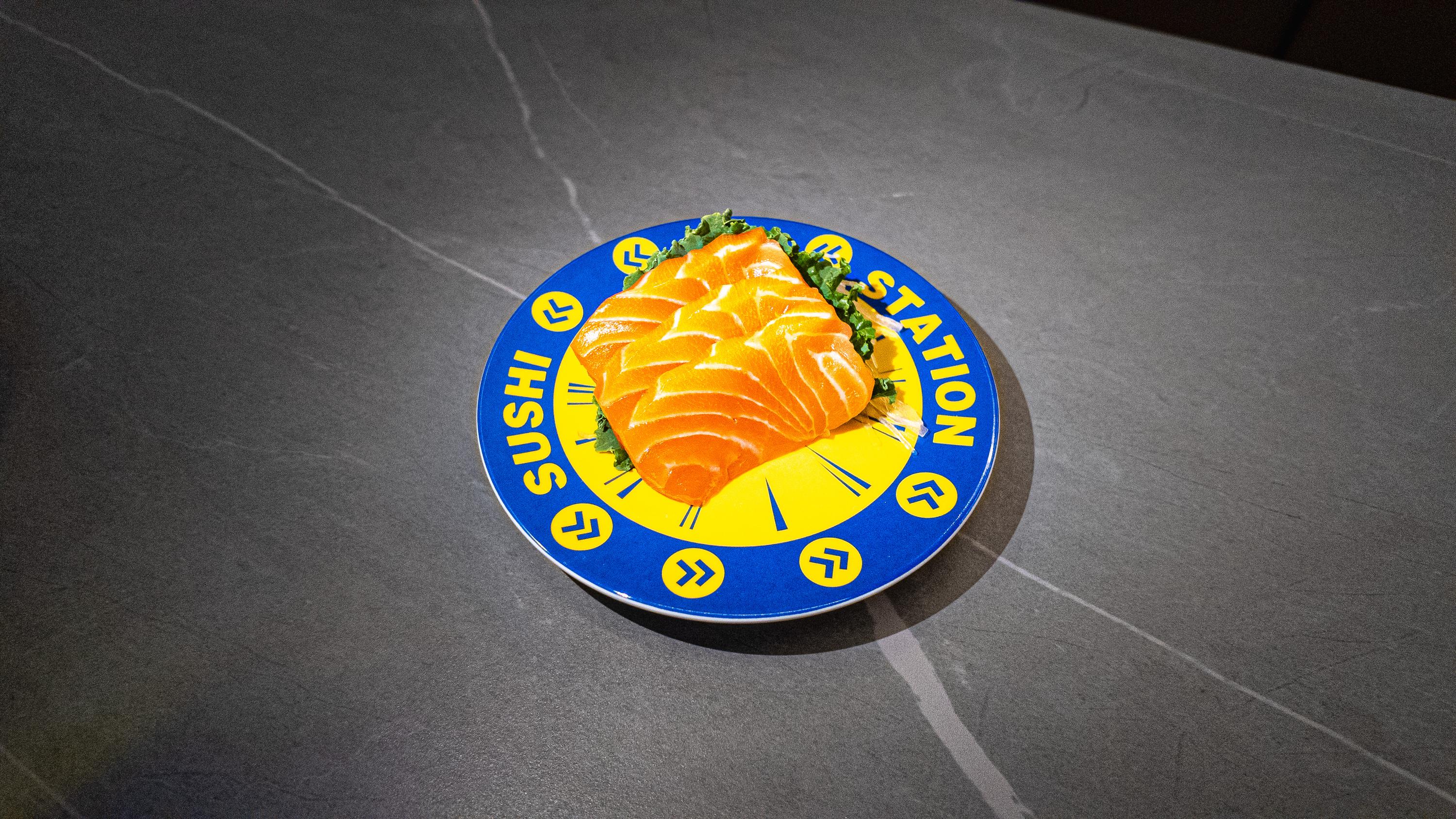
Here’s the thing about sushi: it can be super healthy or surprisingly calorie-packed depending on what you order. I used to think all sushi was automatically a great choice until I started tracking my macros and realized some rolls pack more calories than a burger!
The truth is, is sushi healthy really depends on your choices. Traditional nigiri (that’s the fish draped over rice) and sashimi (just the fish, no rice) are protein powerhouses with minimal processing. But those specialty rolls with tempura, mayo-based sauces, and cream cheese? They’re delicious, but they’re playing a different game nutritionally.
Raw fish itself is packed with omega-3 fatty acids, high-quality protein, and essential nutrients like vitamin D and selenium. The rice adds carbs for energy, and the seaweed wrapper (nori) brings iodine and minerals to the table. So yes, sushi can absolutely be healthy when you know what to look for!
Breaking Down the Sushi Calories Guide
Let me give you the real numbers so you can plan your meals better. This sushi calories guide will help you make informed choices whether you’re cutting, bulking, or maintaining.
Basic Sushi Rolls (Per 6-8 Pieces)
A simple cucumber roll sits around 140 calories with almost no fat. Not bad, right? An avocado roll jumps to about 140-160 calories because of the healthy fats. Here’s where it gets interesting:
-
California roll: 250-300 calories
-
Spicy tuna roll: 290-320 calories
-
Philadelphia roll: 280-320 calories
-
Salmon roll: 230-250 calories
-
Tuna roll: 180-200 calories
Specialty Rolls (The Fun Stuff!)
These are where calories can sneak up on you. A dragon roll might hit 500-600 calories. Rainbow rolls usually land around 450-500 calories. And that crispy shrimp tempura roll you love? We’re talking 500-600 calories easy, sometimes more!
Nigiri and Sashimi (The Protein Champions)
This is where things get really good for your macros. One piece of salmon nigiri is only about 40-50 calories. Tuna nigiri? Around 35-45 calories per piece. Sashimi is even leaner since there’s no rice, usually 30-40 calories per piece depending on the fish.
High Protein Sushi: Your Muscle-Building Options
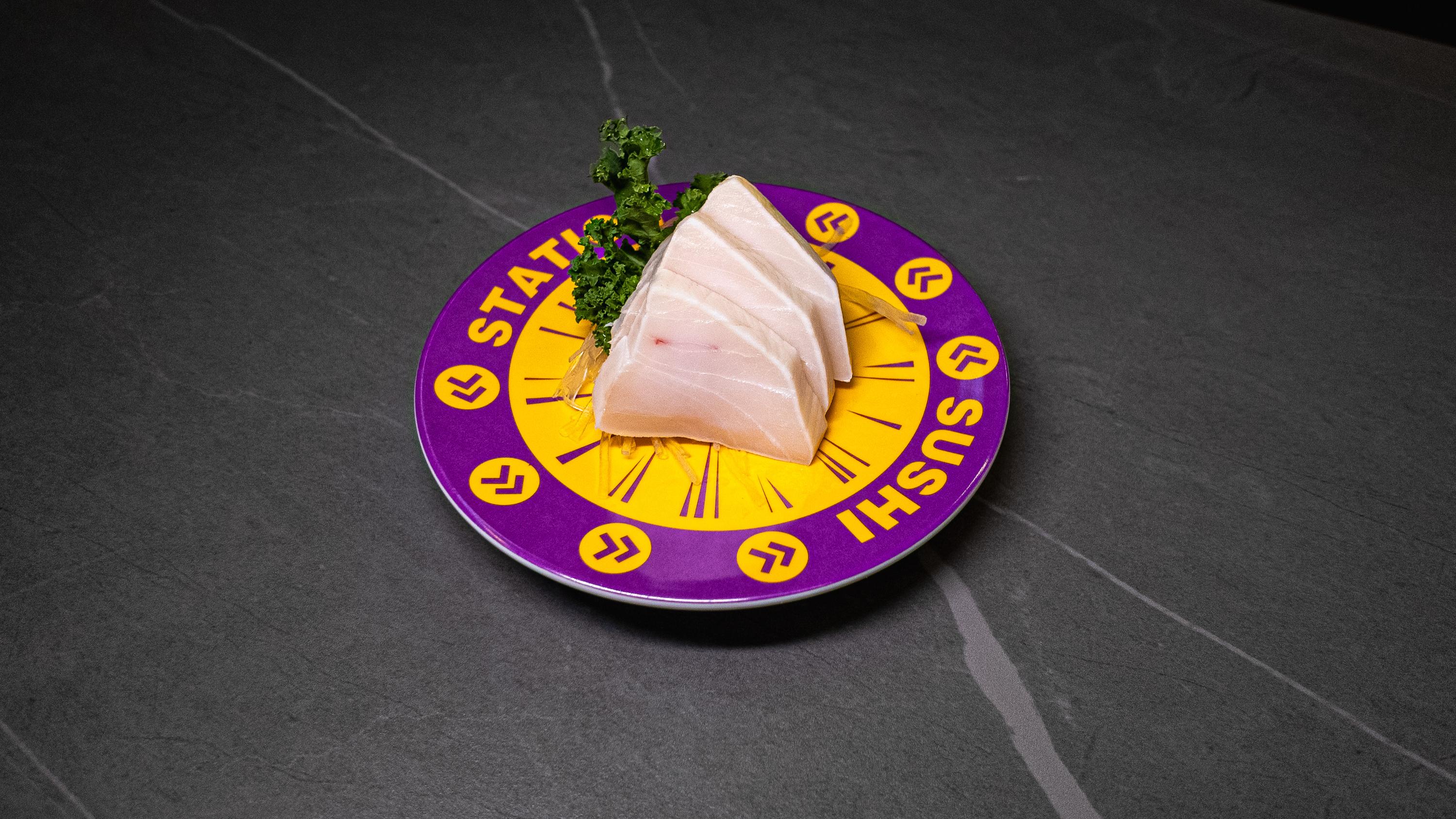
If you’re hitting the gym regularly and need that protein, sushi can totally work for you. Let me share my favorite high protein sushi picks that won’t wreck your macros.
Top Protein Choices
Sashimi is your best friend here. A typical sashimi order (about 6 pieces) gives you 20-25 grams of protein with barely any carbs or fat. That’s pretty amazing!
Salmon is a protein superstar with about 5-7 grams per piece of nigiri. Tuna comes in strong too at 5-6 grams per piece. Even better, these fish pack those omega-3s that help with recovery and inflammation.
Building a High-Protein Sushi Meal
Want to know my go-to order when I’m trying to hit my protein goals? I’ll grab a sashimi platter (that’s 20-25g right there), add 3-4 pieces of salmon or tuna nigiri (another 15-20g), and maybe a simple tuna or salmon roll (10-15g). That’s 45-60 grams of protein in one meal! Not too shabby.
You can also ask for extra fish on your rolls. Most places are cool with that, and it bumps up your protein without adding much else. Just skip the tempura and creamy sauces, and you’re golden.
Low Carb Sushi Options: Keto-Friendly Choices
Okay, so you’re watching your carbs or following keto. Is sushi off the table? Nope! You just need to know your low carb sushi options and maybe get a little creative with your order.
The Rice Problem (And How to Fix It)
One cup of sushi rice packs about 45 grams of carbs. A typical roll uses about half a cup, so that’s 20-25 grams of carbs right there. For keto folks, that’s basically your whole day’s allowance!
But here’s the hack: many sushi restaurants now offer rolls wrapped in cucumber instead of rice. These “naruto” style rolls cut the carbs down to almost nothing while keeping all the good stuff.
Best Keto Sushi Choices
Sashimi is your number one keto sushi choice. Zero carbs, pure protein and healthy fats. I could eat it all day!
Cucumber-wrapped rolls are perfect. Ask for your favorite roll (spicy tuna, salmon avocado, whatever) wrapped in thin cucumber slices instead of rice. Most places are super accommodating about this.
Seaweed salad makes a great side dish with only 5-8 grams of carbs. Edamame is okay in moderation (about 8 grams of net carbs per cup).
What to Skip on Keto
Sorry, but regular rolls with rice are out. Tempura anything is breaded and fried, so that’s a no-go. Watch out for sweet sauces like eel sauce and teriyaki, they’re loaded with sugar. And those crispy toppings on specialty rolls? Usually tempura flakes, which means carbs.
Smart Ordering Strategies for Every Diet
Let me share some tricks I’ve learned from years of trying to eat sushi while staying on track with my goals.
For Weight Loss
Start with miso soup or a small seaweed salad. It fills you up a bit so you don’t go overboard. Stick to nigiri and sashimi as your main event. If you want rolls, choose ones with real crab (not imitation, which has added sugars and fillers) and vegetables.
Go easy on the soy sauce because sodium makes you retain water. And those crispy, creamy, “crunchy” rolls? Save them for special occasions. They’re tasty but calorie-dense!
For Muscle Gain
Load up on sashimi and nigiri. Seriously, eat as much as you want. Add some regular rolls for those carbs you need to fuel your workouts. Brown rice rolls are available at some places and give you more fiber and nutrients.
Don’t be shy about ordering extra. A big sushi meal for bulking might look like: miso soup, edamame, a sashimi platter, 2-3 specialty rolls, and maybe some nigiri on the side.
For Maintenance and Balance
Mix it up! Have some sashimi for lean protein, a couple of your favorite rolls, and maybe split a specialty roll with a friend. This way you get variety without going overboard on calories.
The key is balance. You can totally enjoy that spicy mayo if the rest of your order is pretty clean.
Nutritional Benefits Beyond Calories and Protein
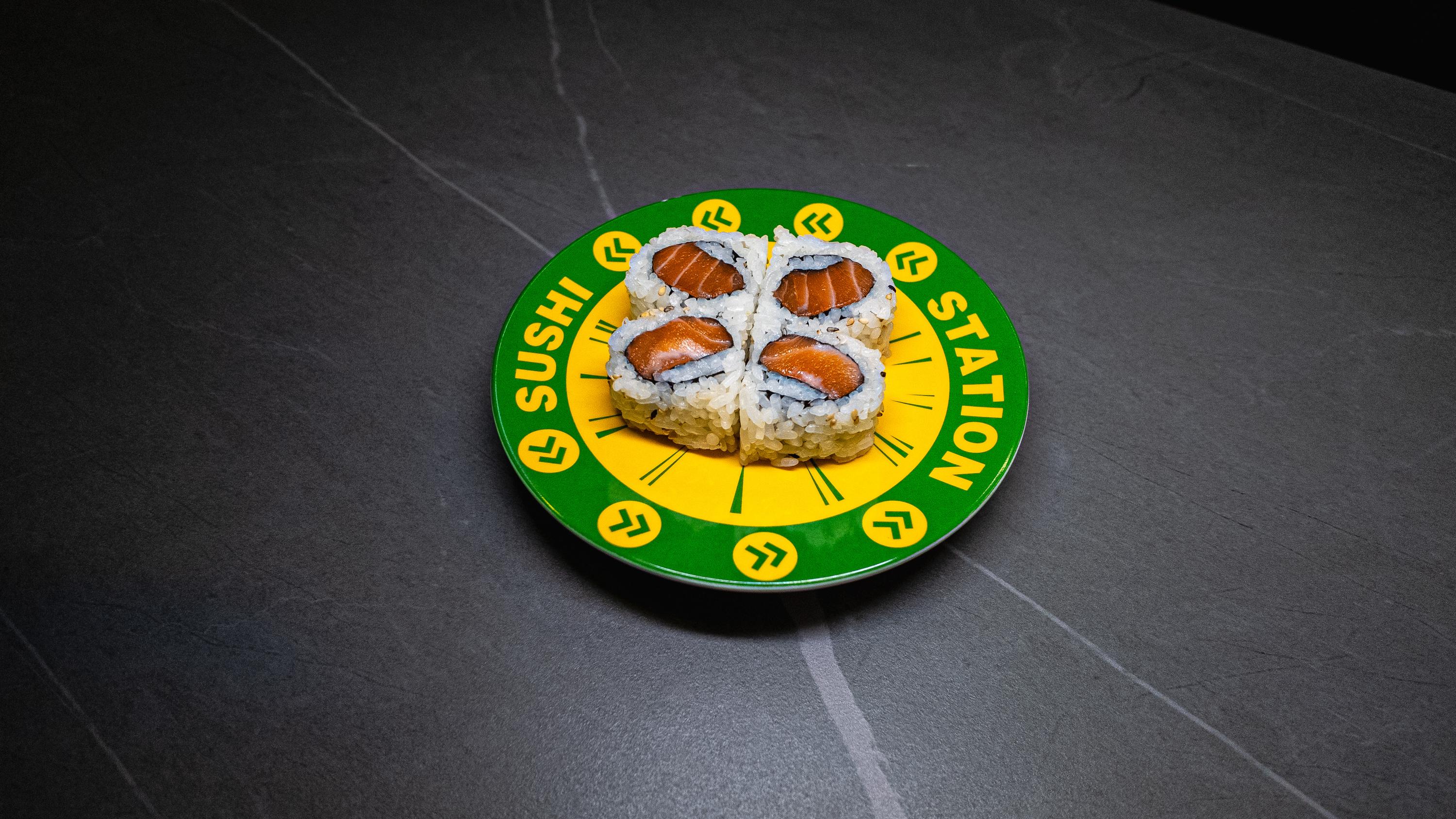
Sushi brings more to the table than just macros. Let’s talk about why it’s actually a nutritious choice when done right.
Omega-3 Fatty Acids
Fatty fish like salmon, mackerel, and tuna are loaded with omega-3s. These fats are amazing for heart health, brain function, and reducing inflammation. If you lift weights or do intense cardio, omega-3s help your body recover faster.
Vitamins and Minerals
Seaweed is packed with iodine, which your thyroid needs to function properly. Fish provides vitamin D (super important if you live somewhere with long winters), vitamin B12, and selenium. The ginger that comes with your sushi? It’s great for digestion and has anti-inflammatory properties.
Quality Protein
Fish protein is complete, meaning it has all the essential amino acids your body needs. It’s also super easy to digest compared to red meat, so you won’t feel sluggish after your meal.
Common Sushi Myths Busted
Let me clear up some confusion I hear all the time.
“All Sushi Is Low Calorie”
Nope! As we covered in our sushi calories guide, some rolls pack serious calories. A tempura roll with spicy mayo can hit 600+ calories easily.
“Raw Fish Is Dangerous”
When you eat at reputable sushi restaurants, the fish is handled safely and often frozen first to kill parasites. Food poisoning from sushi is actually pretty rare when you choose quality spots.
“Sushi Isn’t Filling”
This depends on what you order. Sashimi and nigiri are lean, so you might need more volume. But rolls with avocado, fish, and rice? They’ll definitely fill you up. The trick is eating slowly and letting your body register the food.
“You Can’t Build Muscle on Sushi”
Tell that to the bodybuilders who regularly eat sushi for their prep! With the right choices (hello, high protein sushi!), you can absolutely support muscle growth.
Making Sushi Work for Your Lifestyle
Here’s how I make sushi fit into different eating styles without stress.
Meal Prep Approach
Some people buy sashimi-grade fish and make simple rolls at home. It’s cheaper and you control exactly what goes in. Cauliflower rice works as a low-carb substitute if you’re into that.
Restaurant Strategy
Scan the menu before you go. Most places post nutrition info online now. Decide on your order ahead of time so you’re not tempted by everything when you’re hungry.
Ask questions! Seriously, the staff won’t mind. Ask about preparation methods, sauces, and whether they can customize rolls for you.
Portion Control
It’s easy to over-order sushi because the pieces seem small. A good rule: start with 2-3 rolls or a sashimi platter plus some nigiri. Wait 15 minutes before ordering more. You might be more satisfied than you think!
The Best and Worst Sushi Choices
Let me break this down super clearly so you know what to grab and what to skip.
Best Choices for Health
Sashimi tops the list every time. Pure protein, healthy fats, minimal calories. Nigiri comes in second, giving you protein plus a small amount of rice for energy. Simple rolls like tuna, salmon, or cucumber keep things clean.
Seaweed salad and edamame make great sides. And don’t sleep on hand rolls! They usually have less rice than regular rolls.
Worst Choices (But Still Delicious!)
Tempura rolls are deep-fried, so the calories and fat content shoot way up. Rolls with cream cheese add saturated fat and calories. Anything labeled “crunchy” usually means tempura flakes on top.
Sweet sauces like eel sauce and spicy mayo add sugar and calories quickly. And imitation crab (used in many California rolls) is processed and has added sugars.
Look, I’m not saying never eat these! But if you’re asking is sushi healthy and you’re ordering mostly tempura rolls with extra spicy mayo, the answer shifts from “yes” to “sometimes.”
Creating Your Perfect Sushi Order
Let me walk you through building orders for different goals.
The Fat Loss Order
Start with: Miso soup and a small seaweed salad. Main course: Sashimi platter (tuna, salmon, yellowtail) and 4-6 pieces of nigiri. If you want a roll, go for a basic tuna or salmon roll. Stick to one small dish of low-sodium soy sauce.
This meal gives you tons of protein, healthy fats, minimal carbs, and you’ll feel satisfied without being stuffed.
The Muscle Building Order
Start with: Edamame and miso soup. Main course: Sashimi platter, 6-8 pieces of nigiri, and 2 regular rolls (like spicy tuna and salmon avocado). Maybe add a hand roll if you’re really hungry.
You’re looking at 60-80 grams of protein and enough carbs to support your training. Perfect post-workout meal!
The Low Carb Order
Keep it simple: Big sashimi platter, seaweed salad, and maybe some cucumber-wrapped rolls if they offer them. Skip the rice entirely. Ask for extra ginger and wasabi for flavor.
This is basically a keto sushi choice dream meal. High protein, high fat, very low carb.
The Balanced Order
Mix it up: Start with miso soup. Get a small sashimi sampler, one specialty roll (pick your favorite!), and 3-4 pieces of nigiri. This gives you variety, satisfies cravings, and doesn’t go overboard on any one macro.
Tips for Dining Out
Here are my tried-and-true strategies for making sushi restaurants work for your goals.
Before You Go
Don’t show up starving! Have a small snack like a protein shake or some nuts. You’ll make better choices. Check the menu online and plan your order. Look up nutrition info if it’s available.
At the Restaurant
Drink water or green tea instead of sugary drinks or alcohol (which can add hundreds of calories). Order slowly. Get your first round, eat it, then decide if you need more.
Ask for brown rice if available. It has more fiber and nutrients. Request sauces on the side so you control how much you use. And don’t be afraid to customize! Most sushi chefs are artists who appreciate specific requests.
After Your Meal
Skip the fried ice cream or tempura cheesecake. If you want dessert, green tea or maybe some fresh fruit is the way to go. Remember that soy sauce is super high in sodium, so drink extra water the rest of the day to avoid bloating.
Making Sushi at Home
Want total control over your low carb sushi options and ingredients? Making sushi at home is easier than you think!
Basic Supplies
You’ll need a bamboo rolling mat (like $5 online), nori sheets, and sushi rice (or cauliflower rice for low-carb). Grab some sashimi-grade fish from a quality seafood market or Asian grocery store.
Simple Recipes
Start with hand rolls. They’re way easier than traditional rolls and just as tasty. Lay out a nori sheet, add a thin layer of rice (or skip it!), place your fish and veggies on one end, and roll it into a cone shape. Done!
For regular rolls, spread rice on the nori, add your fillings in a line across the middle, roll it up tight using the bamboo mat, and slice with a sharp, wet knife.
Cost Savings
Making sushi at home costs a fraction of restaurant prices. A sashimi platter that runs $25 at a restaurant might cost you $10-12 in ingredients at home. Plus, you control the quality and portions!
Final Thoughts on Sushi and Your Health Goals
So, is sushi healthy? Absolutely yes, when you make smart choices! It can fit into pretty much any eating style with the right approach.
For my keto and low-carb friends, stick to sashimi and cucumber-wrapped rolls. You’ve got plenty of keto sushi choices that taste amazing. For the gym rats tracking macros, load up on that high protein sushi like sashimi and nigiri. And if you’re just trying to eat better overall, focus on simple rolls without tempura or heavy sauces.
Use this sushi calories guide as your reference when ordering. Remember that nigiri and sashimi are your safest bets for staying on track. And don’t forget those low carb sushi options like naruto rolls when you want to keep things light.
The best part about sushi? It’s delicious, satisfying, and when ordered right, it totally supports your health goals. You don’t have to feel guilty or like you’re cheating on your diet. Just be smart about your choices, ask questions, and enjoy your meal!
Next time you’re craving sushi, you’ll know exactly what to order. Whether you’re cutting, bulking, doing keto, or just trying to eat cleaner, there’s a sushi option that works for you. Now get out there and enjoy some amazing fish! Your body (and taste buds) will thank you.
Frequently Asked Questions
Is sushi actually good for weight loss?
Yes, sushi can support weight loss when you choose wisely. Stick to sashimi, nigiri, and simple rolls without tempura or creamy sauces. These options are high in protein and low in calories. A sashimi platter with some nigiri typically provides 300-400 calories with 40-50 grams of protein, making it very filling. Just watch portion sizes and avoid high-calorie specialty rolls with fried ingredients.
What sushi has the most protein?
Sashimi and nigiri offer the most protein per calorie. Tuna, salmon, and yellowtail sashimi provide about 5-7 grams of protein per piece with minimal fat and zero carbs. A standard sashimi platter (6-8 pieces) delivers 20-25 grams of protein. For rolls, simple tuna or salmon rolls without rice on the side give you the best protein-to-calorie ratio.
Can I eat sushi on a keto diet?
Yes, but you need to skip the rice. Order sashimi, which is pure fish with zero carbs, or ask for cucumber-wrapped rolls (naruto style) instead of rice-wrapped ones. Avoid tempura, sweet sauces like eel sauce, and imitation crab which contains added sugars. A sashimi platter with seaweed salad keeps you well within keto macros while providing plenty of healthy fats and protein.
How many calories are in a typical sushi roll?
A basic roll like tuna or salmon contains 180-250 calories for 6-8 pieces. Specialty rolls with tempura, cream cheese, or heavy sauces can range from 400-600 calories or more. Simple vegetable rolls sit around 140-180 calories. Nigiri is much lower at 35-50 calories per piece, making it easier to control your intake when tracking calories.
What are the healthiest sushi options to order?
The healthiest choices are sashimi (pure fish, no rice), nigiri (fish over a small amount of rice), and simple rolls like tuna, salmon, or cucumber rolls. These provide high-quality protein, omega-3 fatty acids, and minimal processing. Add seaweed salad and edamame as sides for extra nutrients. Avoid anything fried, rolls with cream cheese, and heavy mayo-based sauces to keep your meal clean and nutritious.