
Sushi menus can look like a secret code if you’re new to the scene. Sorting out the difference between nigiri and sashimi, or figuring out what is maki sushi, can feel tricky before your first bite. This sushi guide for beginners breaks down the basics so you can order with confidence and enjoy every flavor on your plate. Ready to turn those rolls and slices into your next favorite meal?
Understanding the Big Three: Nigiri, Sashimi, and Maki
Let me tell you about my first sushi experience. I walked into a Japanese restaurant with friends, stared at the menu for what felt like forever, and ended up pointing at a picture because I had no idea what anything meant! If that sounds familiar, you’re definitely not alone. The good news? Once you know the basics, ordering sushi becomes super easy and way more fun.
What Is Maki Sushi?
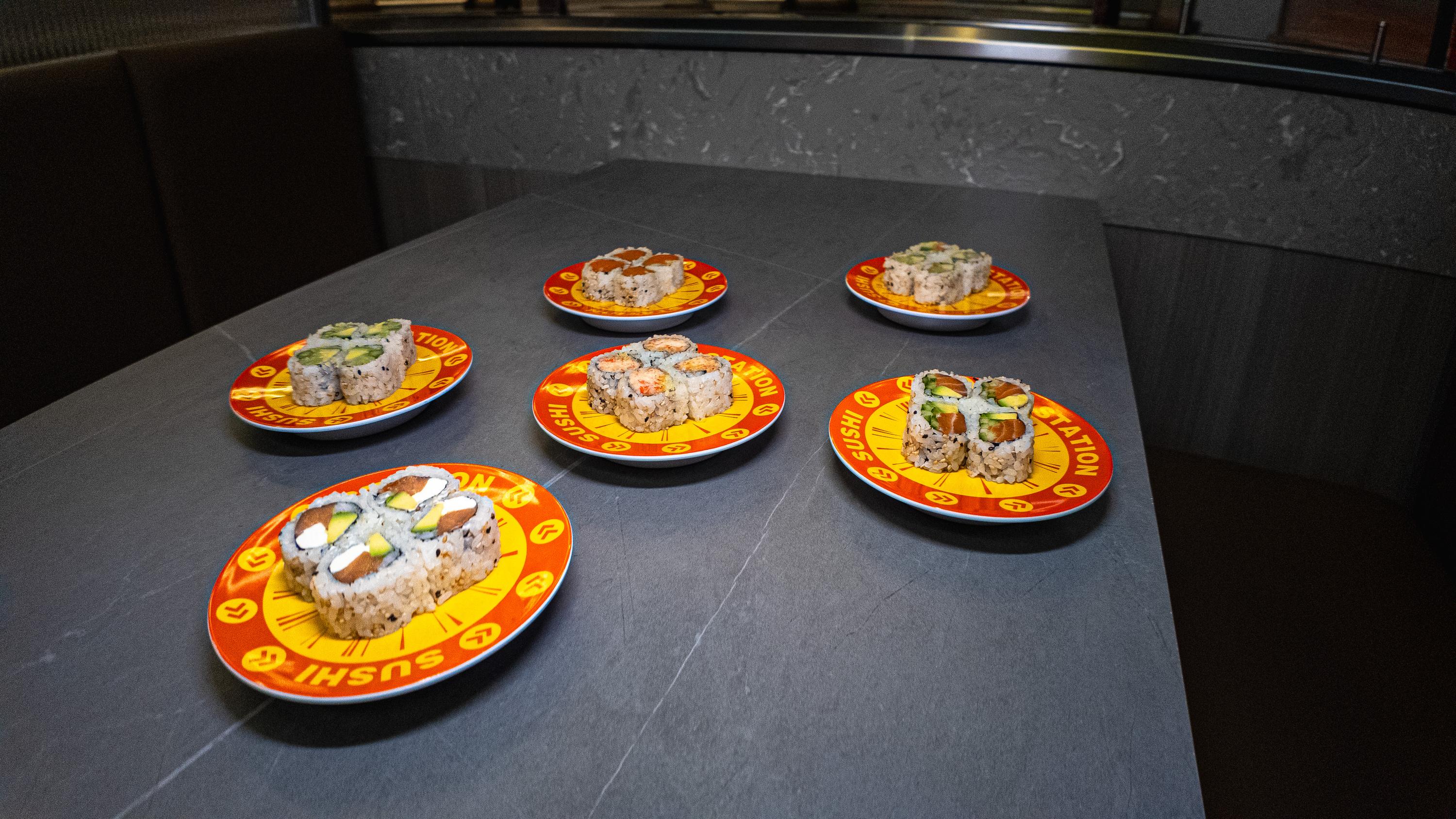
Maki is probably what you picture when someone says “sushi.” These are those beautiful rolled pieces wrapped in seaweed (called nori) with rice and fillings tucked inside. The word “maki” actually means “rolled” in Japanese, which makes total sense!
You’ll find tons of variety with maki rolls. Some are simple with just one or two ingredients, while others are stuffed with multiple fillings and topped with sauces that make your taste buds dance. The rice goes on the outside or inside depending on the style, and each piece is sliced into bite-sized rounds that are perfect for dipping in soy sauce.
There are different types of maki you’ll see on menus:
Hosomaki are the thin rolls with just one filling, like a cucumber roll or tuna roll. They’re wrapped with the nori on the outside and are usually cut into six pieces. These are great if you want something simple and straightforward!
Uramaki flips things around with the rice on the outside and nori on the inside. California rolls are the most famous example of this style. Many American sushi restaurants love creating uramaki because you can coat the outside with sesame seeds, fish roe, or crunchy toppings.
Futomaki are the big guys of the maki world. These thick rolls are packed with multiple ingredients and can include vegetables, egg, and various types of fish. They’re a meal in themselves!
The Difference Between Nigiri and Sashimi

Here’s where things get interesting, and honestly, this is the part that confused me the most when I started eating sushi. The difference between nigiri and sashimi is actually pretty simple once someone explains it.
Sashimi is just the fish. That’s it! No rice, no seaweed, no extras. It’s thinly sliced raw fish (or sometimes other seafood) served on its own. Think of it as the purest way to eat seafood. You’ll usually get it arranged beautifully on a plate with some garnishes like shredded daikon radish or shiso leaves. Sashimi lets you really taste the quality and freshness of the fish without anything else getting in the way.
Nigiri takes that same high-quality fish and places it on top of a small mound of seasoned sushi rice. The chef forms the rice by hand into an oval shape, adds a tiny bit of wasabi, and then drapes a slice of fish over the top. Sometimes there’s a thin strip of nori holding everything together, but not always.
So the main difference between nigiri and sashimi? Rice! Nigiri has it, sashimi doesn’t. Both feature raw fish as the star, but nigiri gives you that combo of fish and rice in each bite, while sashimi is all about the fish itself.
I remember the first time I ordered sashimi thinking it would come with rice on the side. Nope! It’s meant to be enjoyed as is, maybe with a little soy sauce and wasabi. Nigiri became my go-to because I loved getting both elements in one piece.
Your Sushi Guide for Beginners: What to Order First
Walking into a sushi restaurant for the first time shouldn’t feel scary. This sushi guide for beginners will help you figure out what to try based on your comfort level.
Starting With Cooked Options
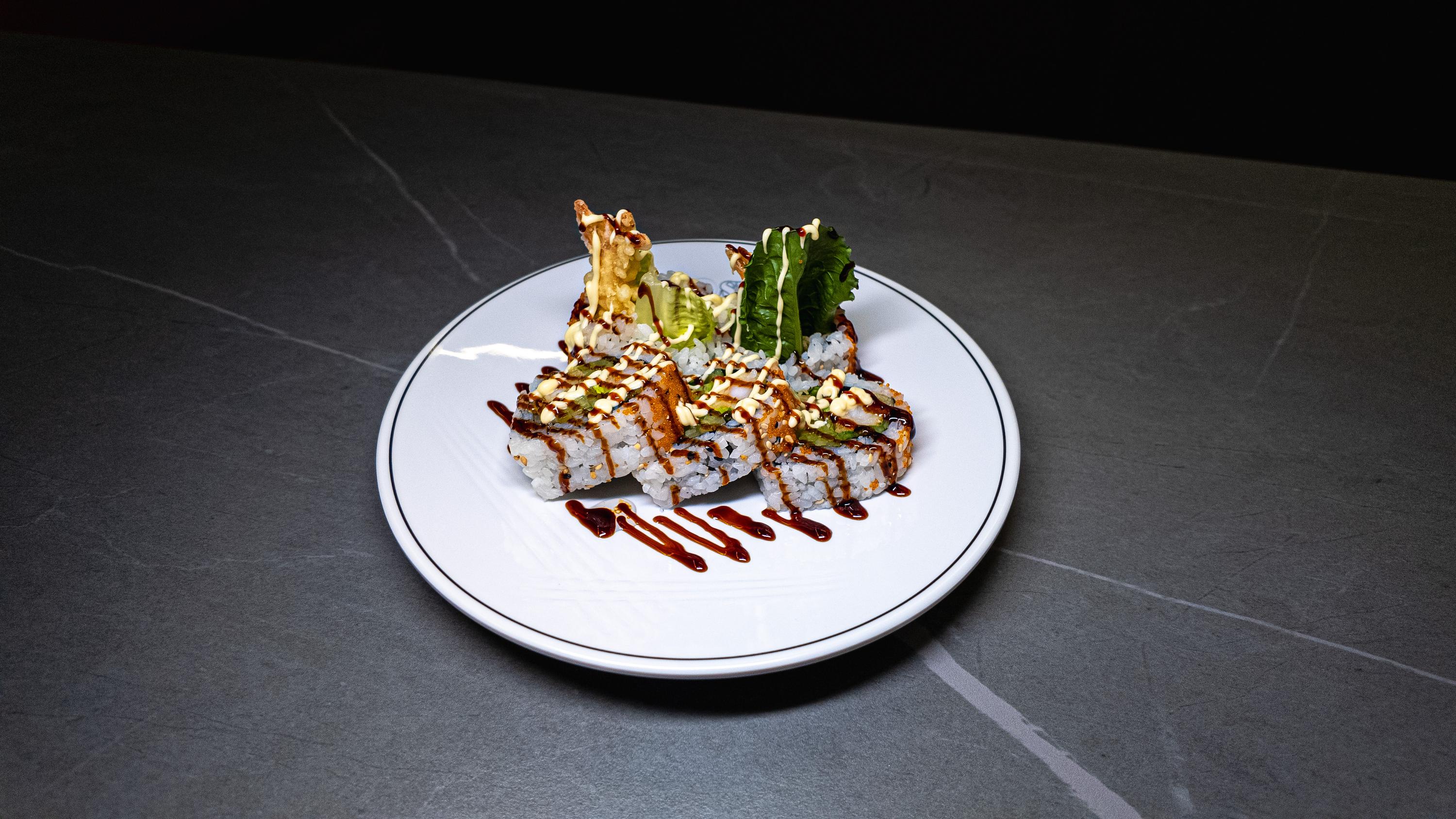
Not ready for raw fish yet? No problem at all! Plenty of sushi options are fully cooked, and they’re absolutely delicious.
California rolls are the perfect entry point. They’ve got imitation crab (which is cooked), avocado, and cucumber. The flavors are mild and familiar, making them a safe bet for your first sushi meal.
Shrimp tempura rolls give you that satisfying crunch with battered and fried shrimp inside. They’re often topped with eel sauce that adds a sweet and savory kick.
Eel (unagi) rolls feature cooked freshwater eel that’s been grilled and glazed. The texture is soft, and the flavor is rich and slightly sweet. It’s nothing like what you might expect!
Spicy crab rolls combine cooked crab with spicy mayo and other ingredients. The heat level is usually pretty mild, so don’t worry about it being too intense.
Taking the Next Step: Mild Raw Fish
Once you’re comfortable with the cooked stuff, you can ease into raw fish with milder options. The key is starting with fish that has a subtle, clean taste rather than anything too fishy or strong.
Salmon is hands down the most beginner-friendly raw fish. It’s got a buttery texture and a mild, slightly sweet flavor. Salmon nigiri is a great way to try your first raw fish because the rice balances everything out perfectly.
Tuna (maguro) is another popular starter. It has a clean taste and a firmer texture than salmon. There are different cuts of tuna with varying fat content, but regular tuna is a solid choice for beginners.
Yellowtail (hamachi) has a smooth texture and a light, fresh taste. It’s not as buttery as salmon but still very approachable for first-timers.
Albacore tuna is milder than regular tuna and often served with a ponzu sauce or garlic chips on top. The added flavors make it really tasty!
For the Adventurous Eater
Ready to branch out? These options have stronger flavors or unique textures that true sushi fans love.
Mackerel (saba) has a more pronounced fishy taste and is usually cured or marinated before serving. It’s an acquired taste, but many people end up loving it!
Octopus (tako) offers a chewy, firm texture. It’s cooked before being served, so it’s not technically raw, but the texture takes some getting used to.
Sea urchin (uni) is creamy and has an ocean-forward flavor. People either love it or hate it, but it’s worth trying if you’re feeling brave!
Salmon roe (ikura) are those bright orange eggs that pop in your mouth. They’re salty and briny with a fun texture.
How to Order Like You Know What You’re Doing
Let me share some tips I wish someone had told me during my first sushi outing.
Understanding the Menu Layout
Most sushi menus are organized by type. You’ll usually see sections for maki rolls, nigiri/sashimi, and special rolls. Some places also have combo platters that give you a little bit of everything, which is perfect for beginners or groups!
The prices can vary a lot. Simple rolls like cucumber or tuna rolls are usually the cheapest. Specialty rolls with multiple ingredients and fancy presentations cost more. Nigiri and sashimi are typically priced per piece (usually two pieces per order).
Don’t be shy about asking questions! Seriously, the staff at sushi restaurants are used to helping newbies. They can tell you what’s in each roll, what’s raw versus cooked, and what they’d recommend based on your preferences.
How Much to Order
Here’s a rough guide: most people eat about 2-3 rolls or 6-8 pieces of nigiri for a full meal. If you’re sharing, get a variety! Mix some rolls with some nigiri, throw in an appetizer like edamame or miso soup, and you’re set.
I always tell friends to start with less than they think they’ll need. You can always order more, but sushi can be surprisingly filling. That rice adds up!
Eating Etiquette (The Relaxed Version)
There are traditional rules for eating sushi, but honestly, most casual sushi spots in America are pretty laid back. That said, here are a few tips that’ll help you look like you know what’s up:
You can eat nigiri with your hands or chopsticks. Both are totally acceptable! Sashimi is usually eaten with chopsticks since there’s no rice to grab onto.
When dipping nigiri in soy sauce, flip it upside down so the fish touches the soy sauce, not the rice. The rice can soak up too much sauce and fall apart. Plus, you want to taste the fish, not just the soy sauce!
Wasabi is traditionally mixed into the soy sauce by the chef when making nigiri, so you don’t need to add more. But if you like it spicy, go for it! Just don’t overdo it on your first try. That green paste is powerful!
Ginger (called gari) is meant to cleanse your palate between different types of sushi. It’s not supposed to be piled on top of your sushi, but hey, if you like it that way, enjoy yourself.
Try to eat each piece in one or two bites. Nigiri especially is designed to be eaten in one bite if possible. It keeps all the flavors together.
Breaking Down Common Sushi Ingredients
Part of this sushi guide for beginners is helping you understand what you’re actually eating. Let’s talk about the key components.
The Rice
Sushi rice isn’t just plain white rice. It’s short-grain Japanese rice that’s been cooked and then seasoned with a mixture of rice vinegar, sugar, and salt. This gives it that slightly tangy, subtly sweet flavor that makes sushi rice so addictive.
Good sushi rice should stick together without being mushy. It should be at room temperature or slightly warm, never cold from the fridge. The quality of the rice is just as important as the quality of the fish!
The Fish
Sushi-grade fish is held to really high standards. It’s been frozen at super cold temperatures to kill any parasites, then thawed and handled carefully to keep it fresh and safe. Reputable sushi restaurants source their fish from trusted suppliers and go through it quickly.
Fresh fish shouldn’t smell fishy! It should smell clean and like the ocean. The texture should be firm, not slimy or mushy. These are signs that a restaurant is serving quality stuff.
The Seaweed
Nori is that dark green or black sheet wrapped around maki rolls. It’s made from dried seaweed and has a slightly salty, ocean-like taste. Good nori should be crisp when you bite into a fresh roll.
Other Common Ingredients
Avocado adds creaminess and a mild flavor that pairs perfectly with fish. It’s in tons of rolls!
Cucumber gives you a refreshing crunch and helps balance richer ingredients.
Cream cheese shows up in lots of American-style rolls (like the Philadelphia roll). It’s not traditional, but it’s tasty!
Spicy mayo is a mix of mayonnaise and sriracha or chili sauce. It’s drizzled on top of many rolls for a creamy, spicy kick.
Eel sauce is a thick, sweet sauce made from soy sauce, sugar, and mirin. Despite the name, it doesn’t taste like eel! It’s used on lots of different rolls.
Masago and tobiko are fish eggs (roe) that add a crunchy texture and a pop of color. Masago is usually orange, while tobiko can be orange, red, black, or even green.
Special Rolls vs. Traditional Options
Here’s where restaurants get creative! Special rolls (sometimes called signature rolls or chef’s special rolls) are unique creations that often combine unexpected ingredients.
Traditional sushi keeps things simple and focuses on the quality of the fish. A traditional tuna roll has just tuna and rice, wrapped in nori. Simple, clean, delicious.
Special rolls might have five or six ingredients, multiple sauces, crunchy toppings, and fancy presentations. They’re often named after the restaurant or the city. These rolls are fun to try and can be a great way to ease into sushi because the flavors are more complex and often include cooked ingredients.
My advice? Try both! Get a traditional salmon or tuna roll to taste how good simple can be, and then order a special roll to see what the chef can do when they get creative.
What About Vegetarian Sushi?
You don’t need to eat fish to enjoy sushi! Vegetarian rolls are fresh, flavorful, and totally satisfying.
Cucumber rolls are simple but refreshing. They’re often the cheapest thing on the menu too!
Avocado rolls give you that creamy richness without any fish.
Vegetable rolls combine multiple veggies like carrots, cucumber, avocado, and sometimes pickled radish. They’re colorful and crunchy!
Sweet potato tempura rolls feature fried sweet potato for a filling, slightly sweet option.
Inari is sushi rice stuffed into a pocket of sweet, fried tofu. It’s a traditional option that’s really tasty!
Some restaurants are getting creative with vegetarian options, using ingredients like mango, strawberry, or even fried asparagus. Don’t be afraid to ask what veggie options they have!
Pairing Your Sushi With Drinks
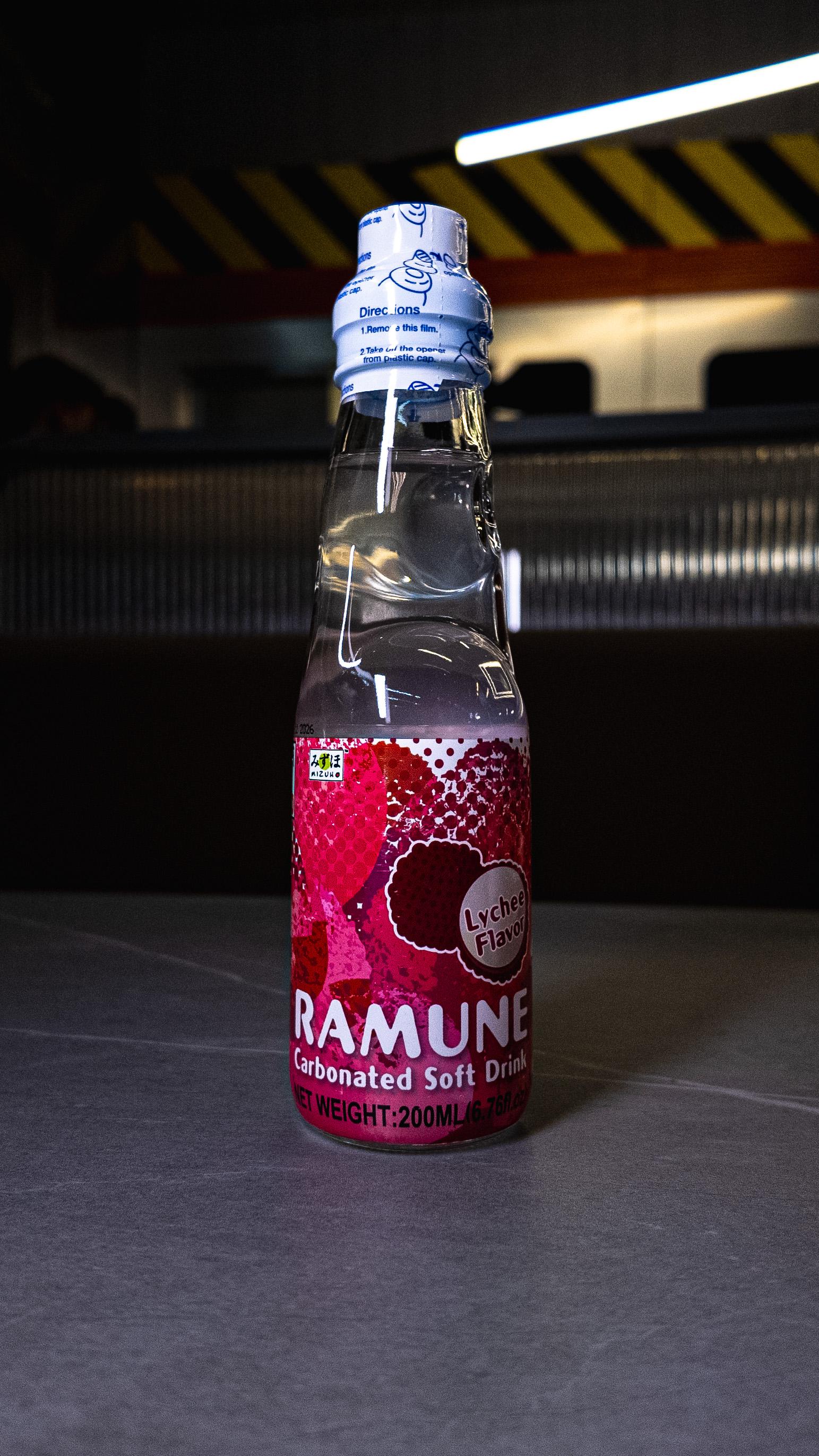
What you drink with your sushi can make the meal even better!
Green tea is the classic choice. It’s cleansing and won’t overpower the delicate flavors of the fish. Many restaurants serve it hot and free!
Sake is Japanese rice wine that comes in many varieties. Some are served warm, others cold. If you’re new to sake, ask your server for a recommendation that’s smooth and not too dry.
Beer works great with sushi! Light Japanese beers like Sapporo or Asahi are popular choices that won’t overwhelm your palate.
White wine can be a nice pairing, especially something crisp and light. Skip the heavy reds, which can clash with the fish.
Soda or water are perfectly fine choices too! There’s no wrong answer here.
Making the Most of Your Sushi Experience
Now that you understand what is maki sushi, the difference between nigiri and sashimi, and how to order, here are a few final tips to make your meal awesome.
Go with friends! Sushi is way more fun when you’re sharing and trying different things. Order a bunch of different rolls and pieces, and split everything so everyone gets to taste more variety.
Start small and build up. Don’t feel like you need to love everything right away. Your tastes will change as you try more types of sushi. I used to only eat California rolls, and now I’m all about the salmon sashimi!
Try something new each time. Once you have your safe favorites, challenge yourself to order one new thing each visit. That’s how you’ll find your next favorite roll!
Don’t fill up on appetizers. Those edamame and gyoza are tempting, but save room for the main event! Or plan to share appetizers with your group.
Take advantage of lunch specials. Many sushi restaurants have great deals during lunch hours. It’s a perfect time to try a new place without spending too much.
Consider takeout or delivery. Lots of sushi places do takeout really well. While it’s nice to eat at the restaurant, ordering online and enjoying sushi at home is totally valid! Just try to eat it within an hour or two for the best taste and texture.
Your Sushi Adventure Starts Now
This sushi guide for beginners should have you feeling ready to tackle any sushi menu! Remember, everyone starts somewhere. Even the biggest sushi fans had a first time when they didn’t know a California roll from a dragon roll.
The best part about sushi is that there’s something for everyone. Whether you stick with cooked options, go all-in on raw fish, or keep it vegetarian, you’re going to find things you love. And once you understand the difference between nigiri and sashimi and what is maki sushi, you’ll feel confident ordering and trying new things.
So grab some friends, find a sushi spot (or order online!), and start exploring. Your taste buds are in for a treat! Who knows? You might find your new favorite food hiding in one of those beautiful rolls or perfectly sliced pieces of fish. Happy eating!
Frequently Asked Questions
What’s the main difference between nigiri and sashimi?
Sashimi is just sliced raw fish served on its own without any rice or other ingredients. Nigiri is a slice of raw fish placed on top of a small mound of seasoned sushi rice. Both showcase high-quality fish, but nigiri gives you the combination of fish and rice in each bite while sashimi is purely about the fish itself.
Is all sushi made with raw fish?
No, many sushi options are made with cooked ingredients! California rolls use cooked imitation crab, shrimp tempura rolls have fried shrimp, and eel rolls feature grilled eel. Vegetarian rolls with cucumber, avocado, and other veggies contain no fish at all. You can absolutely enjoy sushi without eating raw fish.
What should a first-time sushi eater order?
Start with a California roll or shrimp tempura roll if you want cooked options. If you’re ready to try raw fish, salmon nigiri or a basic tuna roll are mild and beginner-friendly. Order one or two rolls to start, add miso soup or edamame, and see how you feel. You can always order more!
How do you eat nigiri properly?
You can eat nigiri with your hands or chopsticks, both are acceptable! If you’re dipping it in soy sauce, flip it upside down so the fish touches the sauce rather than the rice. Try to eat each piece in one or two bites to keep all the flavors together. The ginger on your plate is meant to cleanse your palate between different types of sushi.
What does maki sushi mean?
Maki means “rolled” in Japanese, and maki sushi refers to any sushi that’s been rolled up with rice, fillings, and usually seaweed (nori). The roll is then sliced into bite-sized pieces. Common types include thin rolls (hosomaki), inside-out rolls with rice on the outside (uramaki), and thick rolls with multiple fillings (futomaki).